In brief
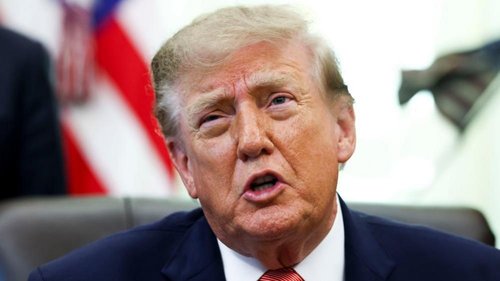
In a statement, China’s Ministry of Commerce criticized President Trump for his recent claims that China violated their trade truce, asserting that it is the U.S. that has introduced unfair trade measures.
China firmly rejected accusations from the Trump administration that it violated a newly established trade truce, stating instead that the U.S. is responsible for undermining the agreement with its own policies. The Ministry of Commerce decried Trump's social media statements as “baseless,” referencing the 90-day deal created after negotiations last month in Geneva, which aimed to ease trade tensions between the two economic giants. In its rebuttal, China claimed to be honoring its commitments under the agreement, highlighting that the U.S. introduced “discriminatory restrictive measures,” including stringent regulations on technology transfers relating to chip designs and a ban on financing Chinese tech giant Huawei. Furthermore, Beijing expressed concerns regarding the Trump administration's announced visa restrictions on Chinese students, underscoring that these actions unilaterally ramp up tensions instead of resolving them.The ongoing conflict has raised doubts about the feasibility of reaching a firm and informed trade pact before the 90-day deadline expires. The U.S. has voiced significant concerns over its dependence on critical minerals sourced mainly from China, used in essential production processes for various industries. Notably, a U.S. trade representative expressed worries regarding the slow compliance of China concerning the flow of critical minerals, which presently lags behind expectations.The temporary truce, initiated last month, provided a brief pause amidst escalating tariff confrontations, with the U.S. previously imposing up to 145% tariffs on Chinese imports, while China retaliated with 125% duties on American exports. Following the recently negotiated agreement, both countries were expected to significantly reduce their tariffs in hopes of stabilizing their trade relationship.As tensions escalate, China ominously indicated that it would take appropriate actions to protect its interests if the U.S. persists in its antagonistic approach. The situation remains precarious, with potential ramifications for both nations and the global economy at large.