In brief
The situation in Gaza grows increasingly dire as parents, facing extreme shortages of food and resources, scramble to provide for their children.
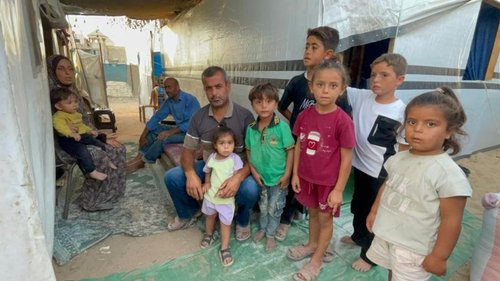
In the past months, families have been struggling immensely to procure basic necessities due to intensified Israeli restrictions on aid. With the ongoing food crisis, the impact on children's health is becoming alarming.As Nour Barda and Heba al-Arqan reflect on previous hopes for a stable future, their reality paints a stark picture of despair. After experiencing a brief lull in conflict, the couple made the decision to expand their family only to find themselves battling insurmountable food shortages when their second child, Shadia, was born this April. The situation has left Heba without sufficient milk to nourish her newborn, and desperate attempts to find food for their older son, Jihad, have become increasingly futile.A recent New York Times report detailing the struggle of families like the Bardas highlights the critical humanitarian crisis growing within the region. The Israeli government's blockade has severely hindered the delivery of essential supplies, compounding the existing issues that began with the outbreak of war in 2023.Just three months ago, life seemed relatively stable. Families like the Bardas were hopeful, yet the reality now is that the traditional aid distribution system implemented by the United Nations has faltered under the pressure of ongoing violence and looting. While an alternative aid system, backed by Israel, claims to have delivered millions of meals, the United Nations reports that this is grossly insufficient to address the needs of Gaza's two million residents. The involvement of private American contractors has not improved security in distribution areas, raising concerns about the implications for future aid efforts. As tension rises and resources dwindle, families in Gaza continue to grapple with the fundamental need for food, often uttering the heartbreaking request, "All we want is a loaf of bread."