In brief
During a tense diplomatic meeting, President Trump faced backlash after airing a video montage of South African politician Julius Malema’s apartheid-era chants, casting a shadow over discussions with President Cyril Ramaphosa.
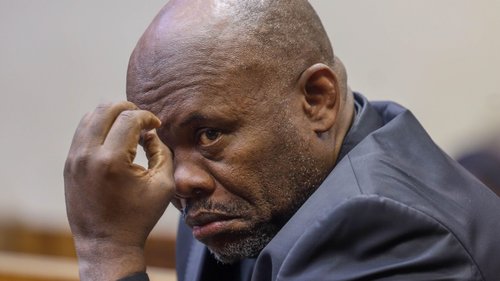
In a surprising move during a meeting in the Oval Office with South African President Cyril Ramaphosa, President Donald Trump aired a video montage that showcased the contentious chants of Julius Malema, a prominent South African politician known for his radical views. Though Malema was not in attendance, his presence felt overwhelming as Trump directed accusations of racism and violence towards white South Africans, highlighting their relative economic advantages in contrast to the Black majority.Malema, 44, is the head of the Economic Freedom Fighters (EFF), a party he established which calls for the redistribution of land owned by whites to Black citizens. Despite this, the EFF garnered less than 10% of the vote in South Africa's 2024 elections. Following the Oval Office encounter, Malema critiqued the meeting via a statement on social media platform X, declaring, “A group of older men meet in Washington to gossip about me. No significant amount of intelligence evidence has been produced about white genocide.” Gaining notoriety in 2023 for his polarizing rhetoric, Malema made headlines when he publicly chanted “Kill the Boer” during a rally, targeting Afrikaans-speaking farmers—descendants of European settlers who were instrumental in establishing the apartheid regime in South Africa. The White House's choice to showcase his inflammatory rhetoric has ignited debate and concern over the implications it holds for race relations both in South Africa and the United States.