In brief
Voters are focused on economic challenges as the country heads to elections amid global uncertainty.
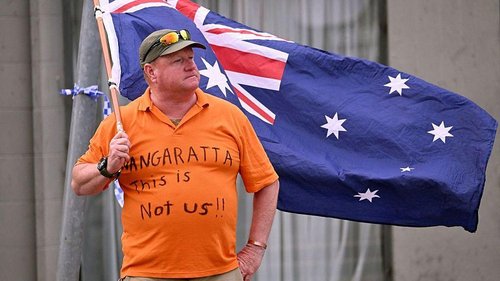
In a crucial election held on Saturday, Australia finds itself grappling with critical economic issues impacting everyday citizens. Prime Minister Anthony Albanese of the Labor Party is poised to defend his position against opposition leader Peter Dutton from the Conservative Coalition, both acknowledging the substantial challenges ahead. This election comes in the wake of growing inflation and a housing crisis, which have overshadowed Australia's previous reputation as a recession-proof nation with abundant resources and stable governance.Recent opinion polls indicate that Albanese's Labor Party is likely heading toward a second consecutive term in the House of Representatives, marking a significant shift from earlier in the election cycle when opposition support was stronger. In Sydney’s Bennelong electoral division, the atmosphere is palpable as voters reflect on their priorities.The ongoing crisis primarily revolves around the cost of living, which has led to decreased consumer confidence and tougher housing market conditions. As Dutton takes to the campaign trail, he has visited numerous gas stations, advocating for tax cuts aimed at lowering fuel prices, while Albanese emphasizes his commitment to maintaining affordable health care through Medicare, Australia’s universal health system.Despite the international political turbulence shaped by the U.S. consequences, Australians express a desire for solutions to local economic realities rather than broad proposals. With both candidates promising only limited measures to mitigate the pressures on aspiring homeowners and struggling families, the elections highlight a stark contrast between immediate economic needs and the broader geopolitical implications of their leadership. Citizens await decisive outcomes as they head to the polls in what many see as a critical moment for the country's future.