Warning: This piece refers to scenes of violence from the start
As Hungary braces for pivotal elections on April 12, the campaign landscape has been dramatically altered by AI technology. A particularly disturbing clip purportedly showcasing the execution of a Hungarian soldier went viral, shocking viewers and setting a dark tone for the electoral race.
Posted by Prime Minister Viktor Orbán's Fidesz party, the AI-generated video depicts a young girl eagerly waiting for her father to return home from war, only to reveal later that he is blindfolded and executed. This video, while fabricated, is used to frame the party's rival, Péter Magyar, as a potential instigator of conflict.
"The AI video proclaims that while it is a simulation, the reality of war remains horrific," claiming Magyar would be responsible for involving Hungary in the ongoing conflict in Ukraine.
The Fidesz campaign accuses Magyar of intending to impose forced conscription and divert pension funds to support Ukraine should he win, claims that Magyar vehemently refutes. His party’s manifesto asserts a commitment to peace, emphasizing there will be no deployments to Ukraine nor revival of conscription.
In a twist, Magyar has categorized the AI video as heartless manipulation that transcends acceptable political tactics, echoing concerns about the extensive use of generative AI in contemporary campaigning.
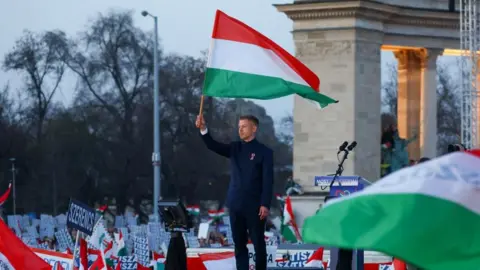
Many observers note that Magyar, despite operating under a significantly tough media environment dominated by pro-Fidesz narratives, is successfully leveraging social media to resonate with younger voters. Engaging content showing him in casual settings starkly contrasts with Fidesz’s dark messaging.
Furthermore, the AI-generated rhetoric extends beyond electoral videos; pro-government media, during the recent arrest of Ukrainian bank workers, disseminated AI-generated images that misrepresented the encounter, undermining public trust and further complicating Hungary's relationship with Ukraine.
While AI's role in shaping narratives raises alarm regarding misinformation's perils, it simultaneously shines a spotlight on the power dynamics within Hungarian politics, drawing attention to both innovative campaigning methods and the potential ethical ramifications of their use.