Countries across Africa have taken measures such as diluting petrol and restricting electricity consumption to cope with the fuel crisis triggered by the US and Israel's war in Iran.
South Sudan has started to ration electricity in its capital, Juba, while Mauritius has imposed restrictions to reduce wastage especially in high-power consumption areas.
As governments scramble to find alternative sources of fuel, Ethiopian authorities have ordered suppliers to prioritize specific sectors such as security, while Zimbabwe is increasing the ethanol content in its petrol.
However, some nations such as Nigeria and South Africa could potentially benefit from new business as a result of the conflict.
South Sudan has some of East Africa's largest oil reserves, but the majority is exported, while it imports the refined product needed for fuel. According to the International Energy Agency, South Sudan generates 96% of its electricity from oil.
The power rationing comes on top of ongoing intermittent cuts due to maintenance operations since May last year.
On Wednesday, Juba's main electricity distributor, Jedco, announced parts of the city would start experiencing daily power cuts on a rotational basis, stating, Due to the ongoing Iran-US conflict... Jedco must proactively manage its available energy reserves.
Ereneo Mogga, an electrical engineer in affected areas, reported that power often goes off at 16:00 and doesn't return until 04:00 the next day, which disrupts many businesses. Some residents are switching to solar power despite high costs.
The island nation of Mauritius heavily depends on oil imports for electricity generation, facing an energy emergency due to a missed oil shipment that left only 21 days of stock. The Energy Minister stated that alternative fuel supplies from Singapore would arrive soon but at a higher cost.
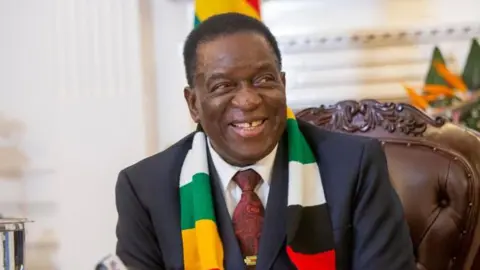
Zimbabwe has announced plans to increase ethanol in its petrol mix from 5% to 20% and scrap some fuel import taxes to combat rising prices, which have surged 40% in less than a month.
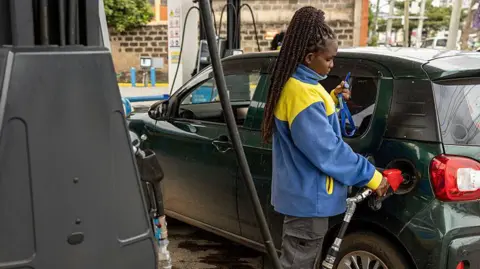
Meanwhile, various regions in Kenya report fuel supply shortages amid high consumer demand driven by panic buying. The Kenyan energy ministry denied any official shortage and asked citizens to refrain from hoarding fuel.
In contrast, South Africa assured that immediate fuel supplies remain stable, despite expectations of possible future fluctuations due to prolonged conflicts.
Lastly, Nigeria, Africa's second-largest oil producer, could benefit from rising oil prices, having offered to pump more oil to alleviate global demand shortages. However, increased international petrol prices are likely to impact local transport costs adversely, potentially undermining immediate benefits to ordinary citizens.