Air‑conditioning sparks a political clash amid France’s hottest day
The record‑setting heatwave that saw Paris touch 40 °C has reignited a debate on cooling that has long been a point of contention on the political spectrum.
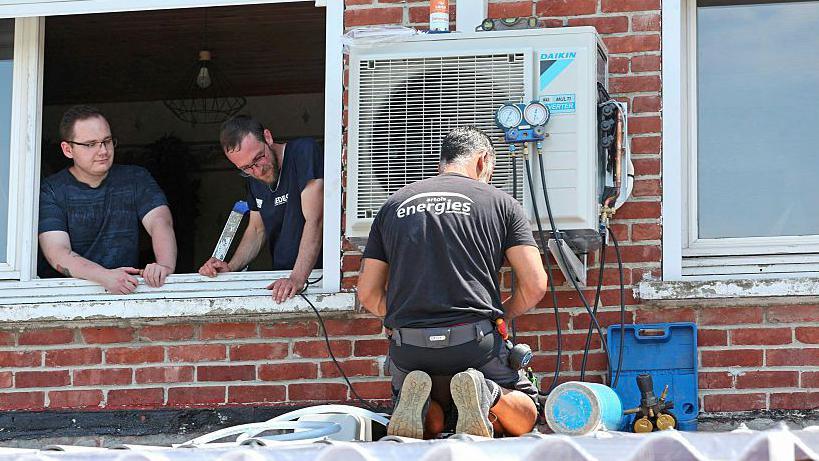
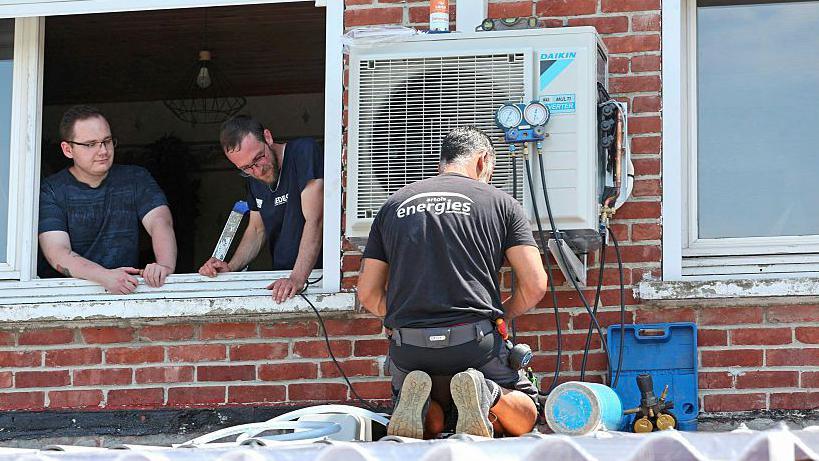
Only about one in four French households has an air‑conditioning unit, a figure far below Spain’s 50 % and the United States and Japan’s near 90 %. Schools, hospitals and many older homes lack the cooling infrastructure that is now deemed necessary for public health and safety.
Marine Le Pen, the National Rally leader, is demanding that the government roll out a “plan clim” to equip all public buildings with cooling – a proposal that would see interest‑free loans worth 20 billion euros to 30‑40 million households. The Green ecologist party, historically opposed to AC, has softened its stance, with chief spokesperson Marie Tondelier acknowledging that some schools and hospitals simply “cannot do without it now”.
Environmental critics argue that air‑conditioning increases electricity usage, relies on refrigerants that are potent greenhouse gases and contributes to the urban heat island effect by expelling hot air onto city streets. They warn that without improved heat‑management infrastructure, the rainfall of tomorrow could leave people and institutions exposed to dangerous temperatures.
Nevertheless, the figure of 40 °C has pushed the conversation beyond ideology and into the realm of practical response. “In the environmental context, we should have la clim everywhere,” says Olivier Terrien of the CGT union, while President of the Paris regional council Valerie Pécresse hopes all buses and trains will have AC by 2032, criticizing former Socialist policies for not recognising the urgency.
As heat waves become stronger and more common across Europe, a nationwide consensus is emerging: more cooling infrastructure is inevitable, but its design and deployment will need to balance energy demand, public health and climate goals.