Lebanese Environmentalist Mona Khalil Killed in Israeli Strike
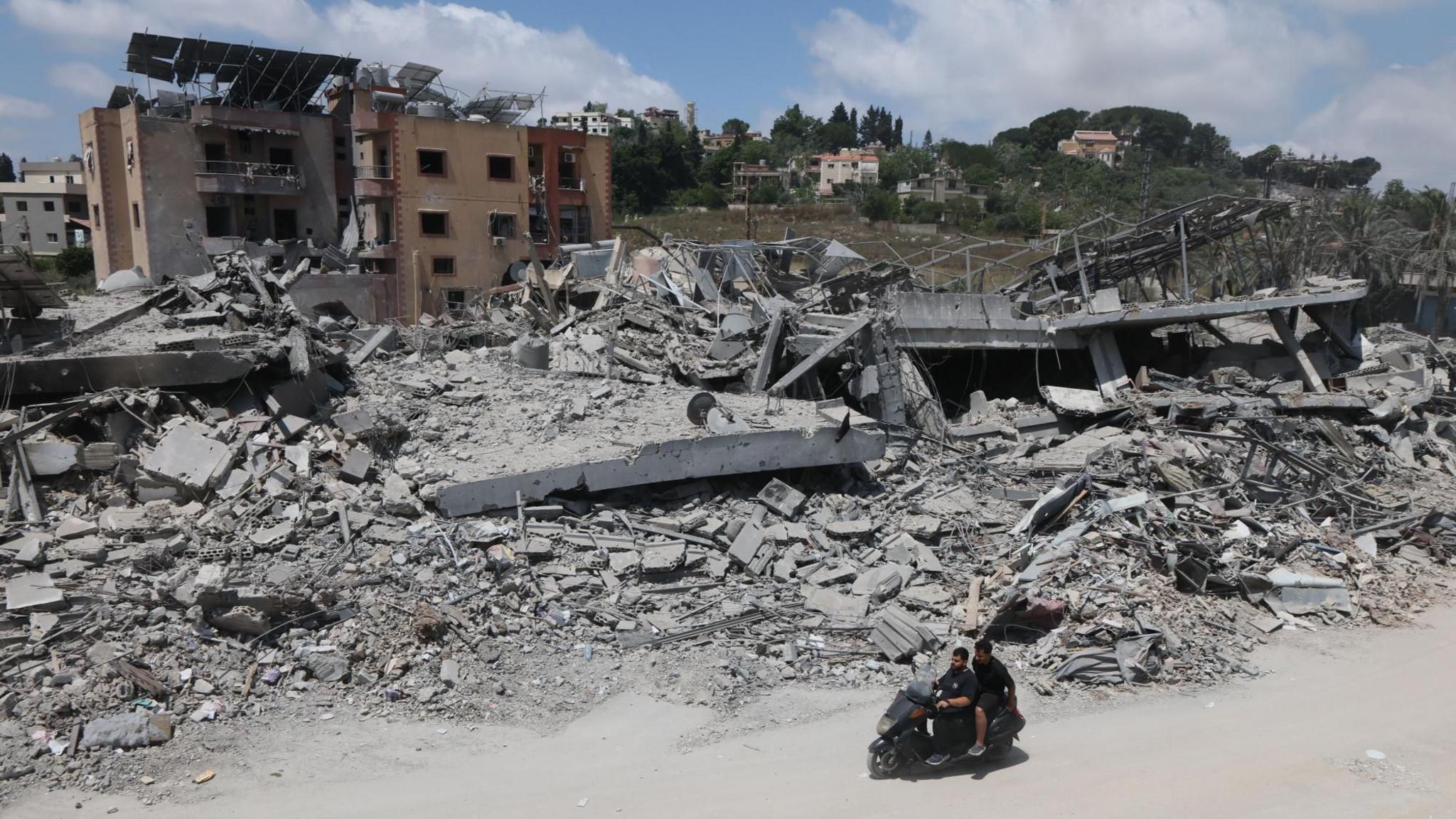
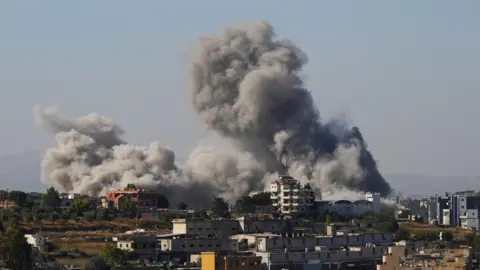
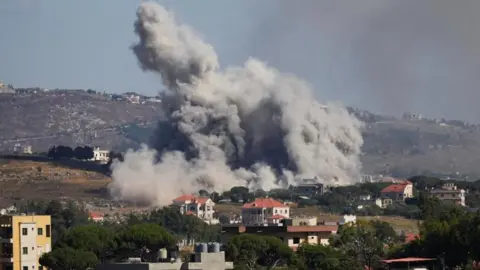
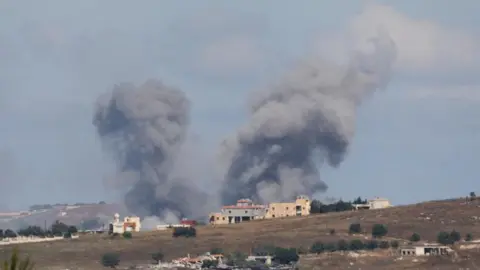
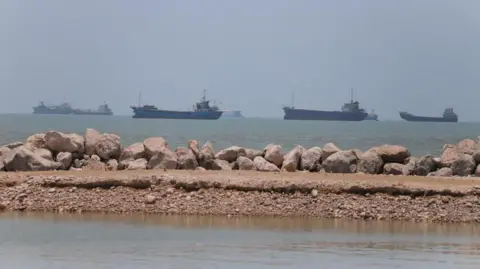
The 76‑year‑old conservationist, whose lifelong efforts turned a stretch of Lebanon’s southern coast into a vital nesting ground for loggerhead and green sea turtles, lost her life after her house on Mansouri Beach, near Tyre, was struck during Israeli attacks on southern Lebanon.
Khalil, a refugee of the Lebanese civil war and former resident of the Netherlands who had returned to visit her family’s seaside home, was wounded on 6 June while the region saw a rise in hostilities that has not been fully quelled under the cease‑fire agreement with Hezbollah.
She succumbed to her injuries on Friday after several days in a local hospital, according to statements by environmental groups invested in her work. The BBC has sought a response from the Israeli military to clarify the circumstances of the strike, as the incident heightens concerns over civilian safety amid continuing regional tensions.
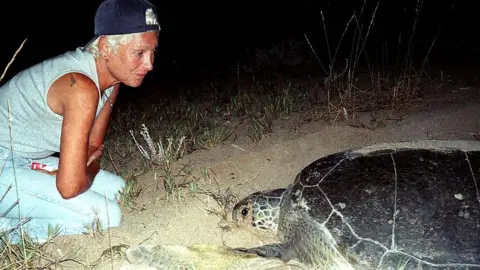
“She is a deeply committed environmental defender,” said Hisham Younes, founder and president of Green Southerners. Khalil’s activism began in 1999 after she witnessed a green turtle laying eggs on Mansouri Beach, prompting her to return to Lebanon from overseas and dedicate herself to protecting the site.
Over a quarter century she monitored nesting sites, documented marine life and campaigned against coastal development, pollution and destructive fishing. Her initiatives led to protected status for parts of the coastline and established the Orange House Project, an eco‑tourism and conservation hub that evolved into a centre for environmental education and research.
She remained at her home during earlier conflict periods, refusing to abandon the beach even after her house suffered damage in the 2006 war between Israel and Hezbollah. Friends noted that Khalil's decision to stay reflected her determination to protect both the natural environment and her community.
Veteran activists recall her ability to inspire not only ecological stewardship but also a broader public engagement. One colleague highlighted how her love for turtles translated into caring for people, underscoring her broader legacy of fostering community stewardship toward marine ecosystems.
The incident underscores the complex interface between conflict zones and environmental protection. While the Israeli military has not yet issued a statement, Lebanese environmental groups and international conservation NGOs have expressed sorrow and called for thoughtful consideration of civilian spill‑over in military operations.
The death of Mona Khalil exemplifies the mounting human cost in the contemporary Middle East while reminding observers that conservation work remains essential, even—or especially—in volatile regions. As the international community watches the ongoing conflict, the loss of a seasoned environmental guardian is a stark reminder of the fragility of biodiversity in times of war and the enduring need for global cooperation on marine protection.