On 14 June, the United States and Iran signed a preliminary agreement to pause military operations and create a framework for a lasting peace. The accord stipulates a complete ceasefire on all fronts, the reopening of the Strait of Hormuz, and a reconstruction plan worth about $300 billion. A deadline of 60 days is set for a comprehensive final deal.
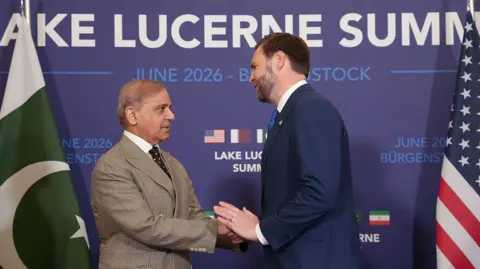
The talks were convened in the Swiss resort of Bürgenstock, where US Vice‑President JD Vance, his son‑in‑law Jared Kushner and special envoy Steve Witkoff met Iran’s foreign minister Abbas Araghchi, parliamentary speaker Mohammad Bagher Ghalibaf and senior officials. Pakistani Prime Minister Shehbaz Sharif, who has mediated in earlier dialogues, was also present.
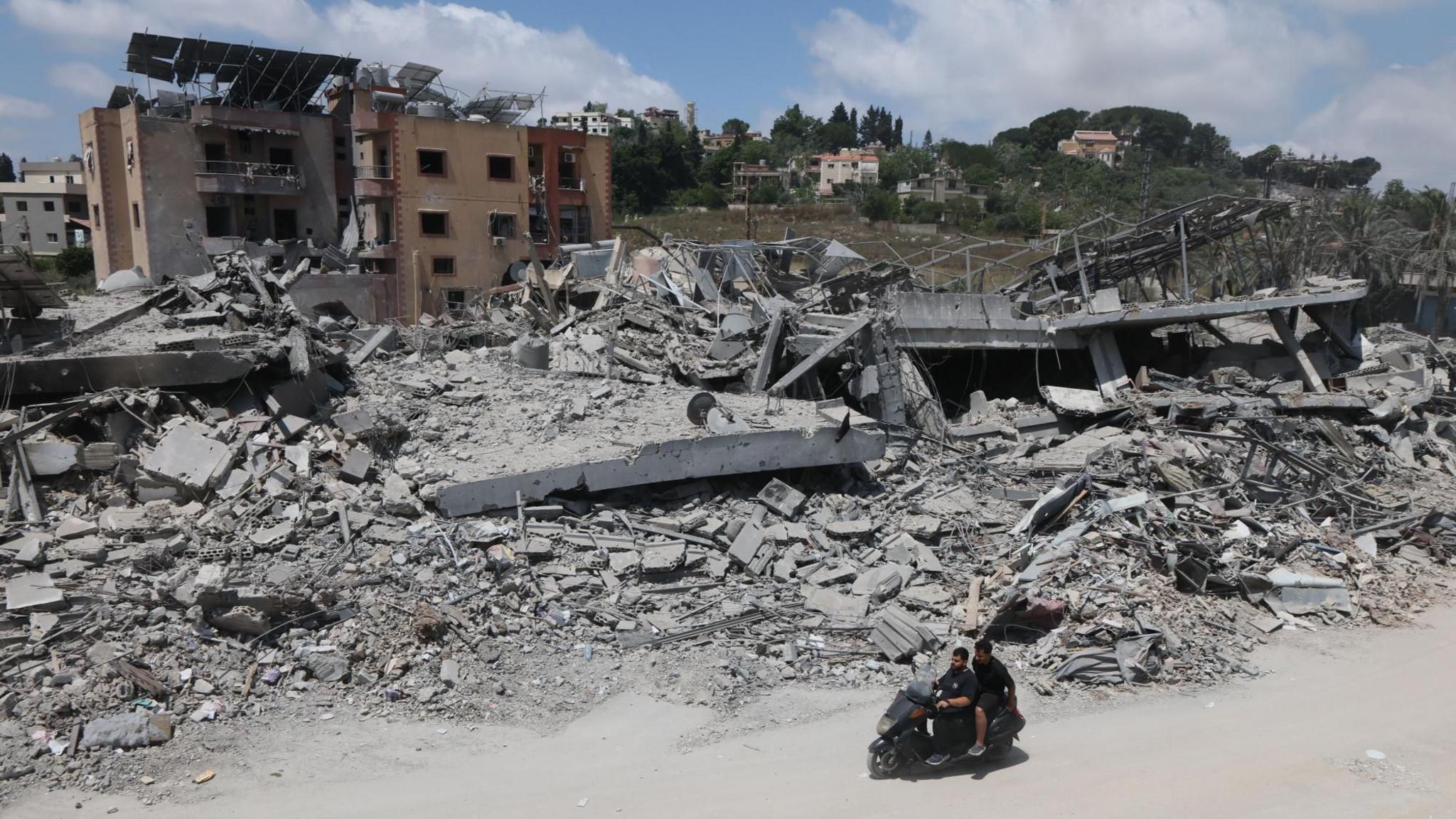
Although the agreement calls for ending hostilities, conflict between Israel and the Iran‑backed group Hezbollah in Lebanon has intensified. The war in the region has seen several hundred casualties and continues to strain international diplomatic efforts.
Iran insists the agreement includes enforcement of prior commitments, particularly the cessation of all military operations, and stresses that the nuclear issue must be addressed as part of the final settlement. The United States has lifted a blockade on shipping to Iranian ports, but the comprehensive removal of sanctions remains contingent upon further negotiations.
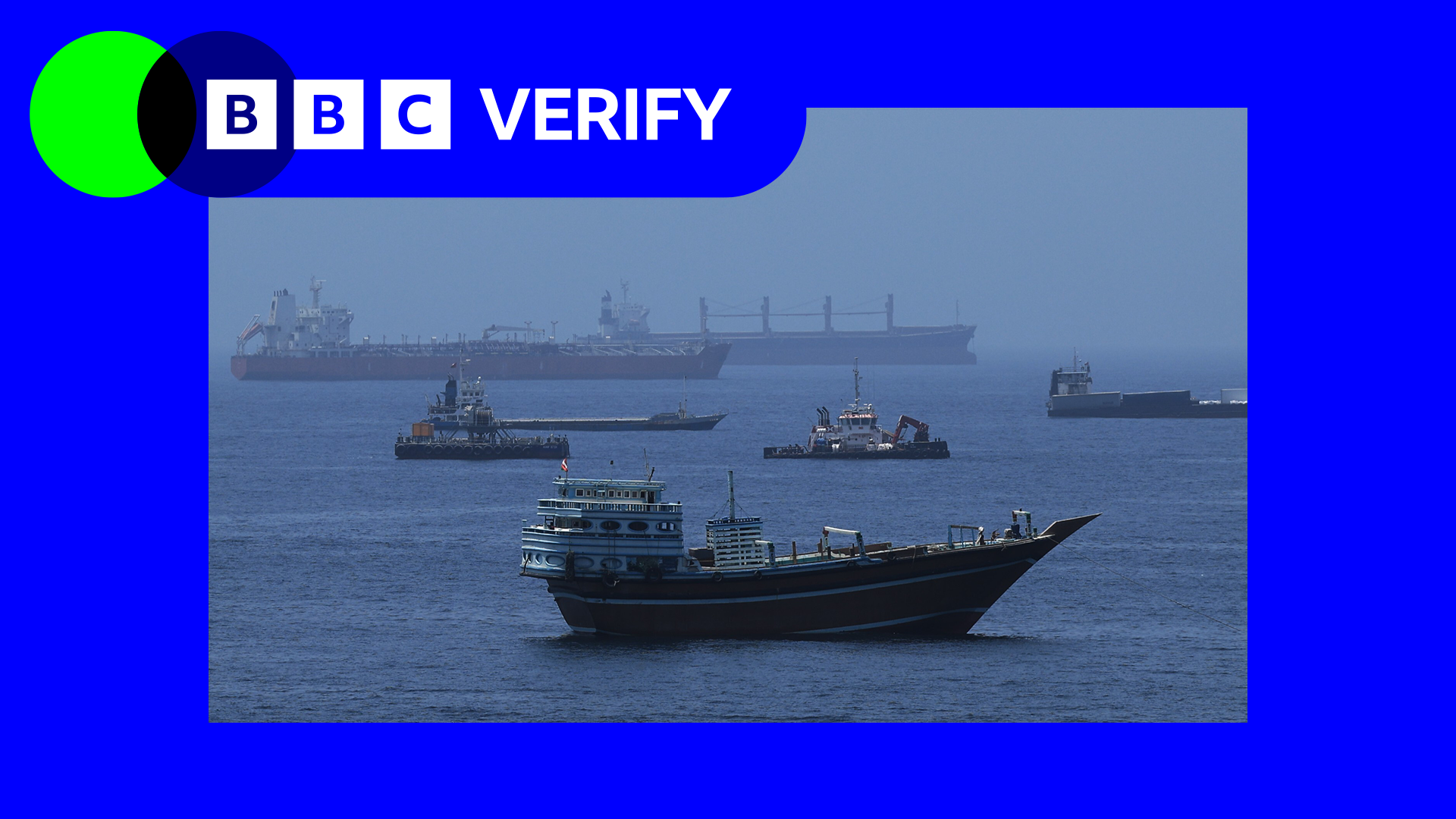
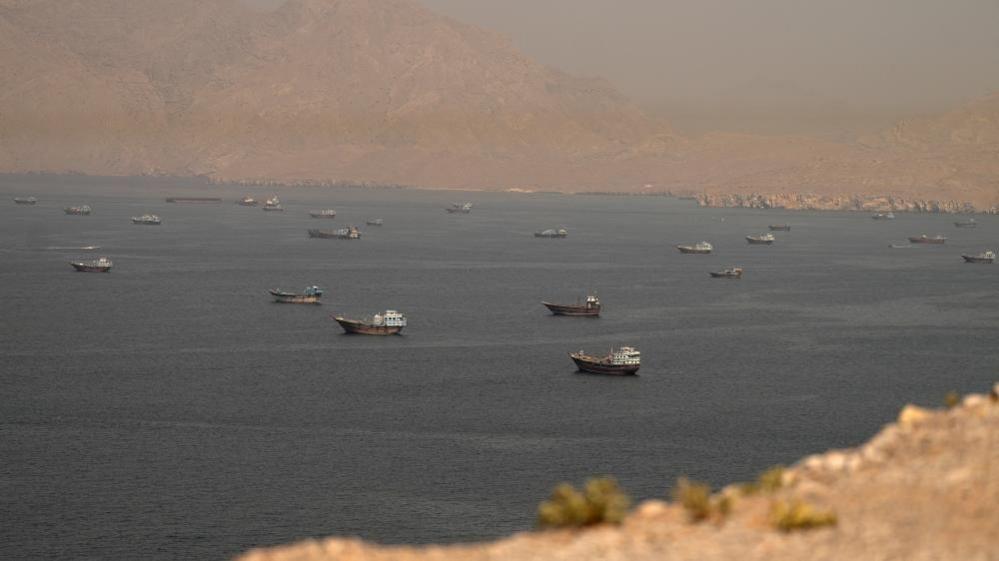
Tracking data from MarineTraffic shows continued vessel traffic through the Strait of Hormuz despite Tehran’s announcement of a stall. The situation underscores the complex interplay between diplomatic initiatives and ongoing military actions.