Congress Votes to End Iraq‑Iran Hostilities, A Political First
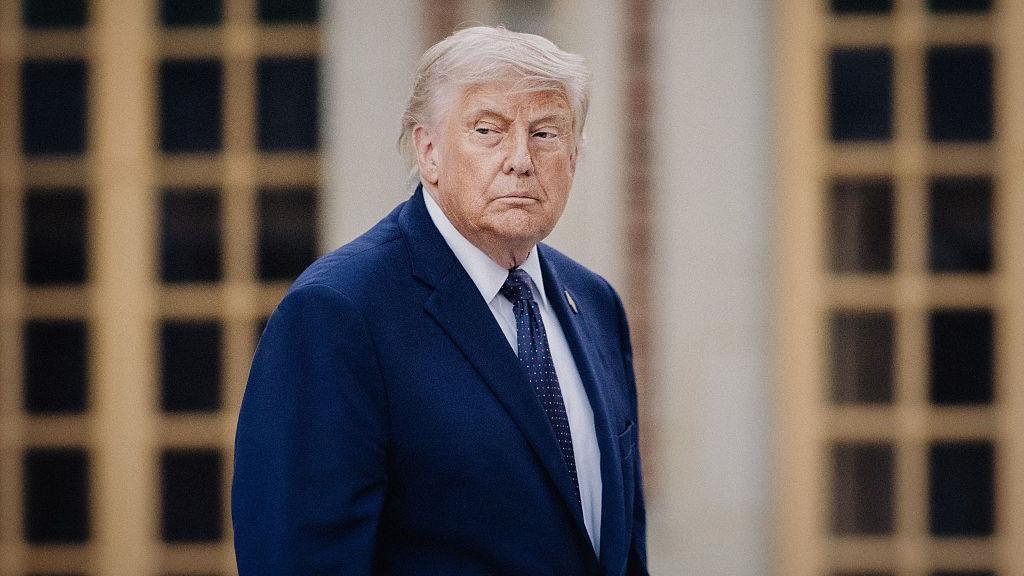
In a 50‑48 vote on Tuesday, the Republican‑controlled U.S. Senate passed a concurrent resolution that instructs President Donald Trump to halt the war in Iran or seek congressional approval before continuing any new military action. The measure marks the first time both chambers of Congress have used this tool to rebuke a president’s overseas engagement since the War Powers Resolution of 1973 was enacted.
All four Republicans who joined the Democrats were Rand Paul, Lisa Murkowski, Susan Collins and Bill Cassidy; only one Democrat, John Fetterman, crossed the aisle in opposition. The resolution will not bind the president or be forwarded to him for endorsement, meaning its legal weight is limited to the political press of Congress.
President Trump responded on Truth Social by describing the measure as "poorly timed and meaningless" and vowed that the administration would pursue its war aims regardless of the Senate’s stance. "These Senators have just made my job more difficult, but I will get it done, one way or the other," he said.
The vote comes weeks after a ceasefire was agreed on 7 April and a memorandum of understanding that gives Washington and Tehran a 60‑day window to negotiate a comprehensive settlement on Iran’s nuclear programme. The White House has stated that no active U.S. hostilities remain to withdraw from, and that ongoing funding requests for the conflict are part of the Pentagon’s defence budget.
Legal experts note that the concurrent resolution, while symbolic, signals a shift in Congress’s willingness to constrain presidential military action. The measure reflects growing frustration over the cost of the campaign and a desire by many lawmakers to end a conflict that has become increasingly unpopular with the American electorate.
The decision may have implications for the upcoming 2026 midterm elections, as the Republican Party’s unity is already fracturing amid disagreements over policy priorities and response to international crises. As the U.S. navigates this juncture, the ceasefire’s durability and the future of U.S. engagement in Iran will likely remain central topics for both ears of Congress.