The first read‑through of the U.S. and Iran deal on 17 June showed it would soon be reflected in maritime activity through the Strait of Hormuz, where shipping traffic had been heavily restricted since August 2023.
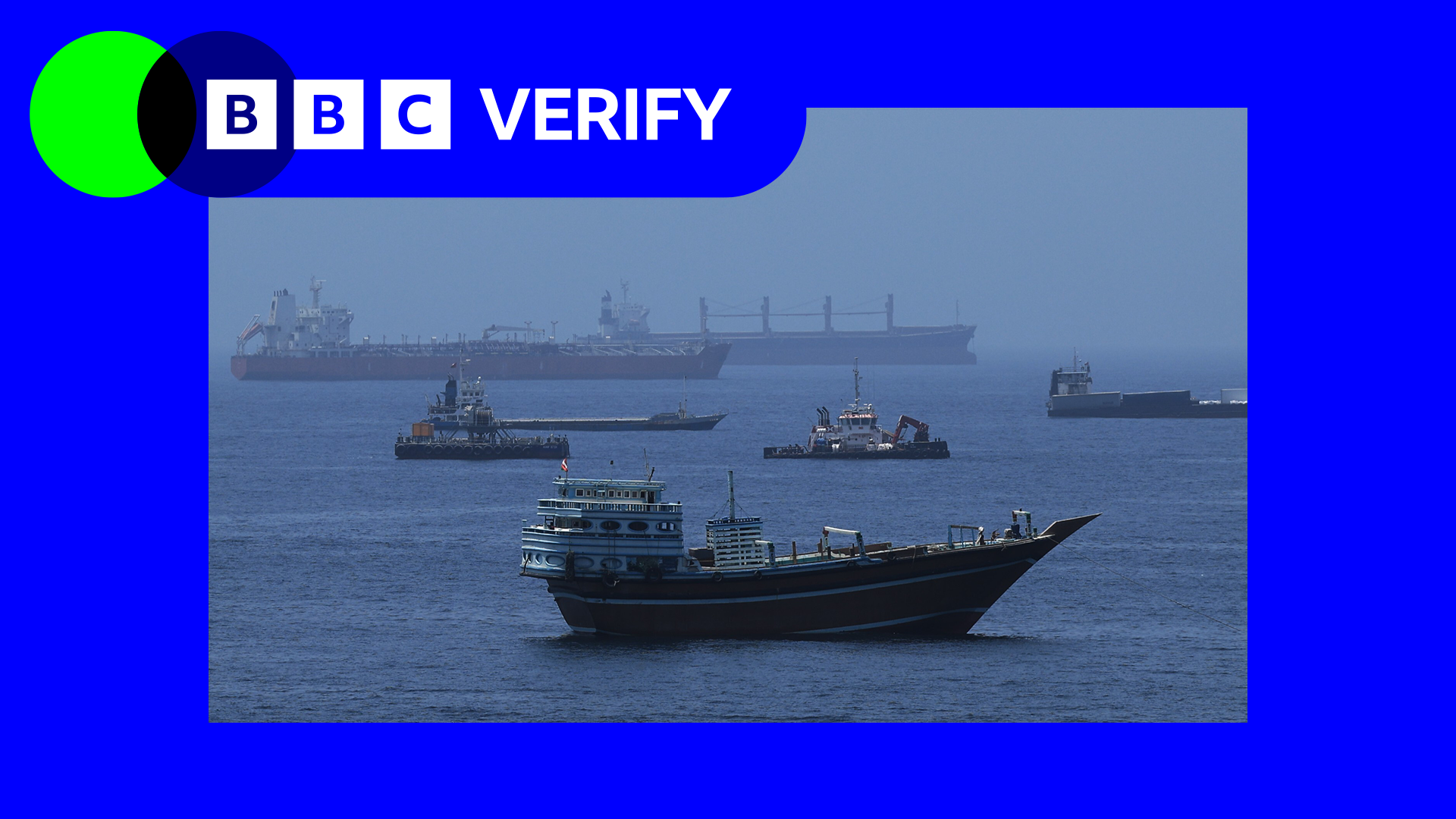
According to the maritime‑intelligence firm Kpler, a total of 172 vessels have crossed the strait since 18 June, with 42 ships sailing on Saturday alone. Daily transit numbers still lag behind the pre‑conflict average of roughly 138 crossings a day.
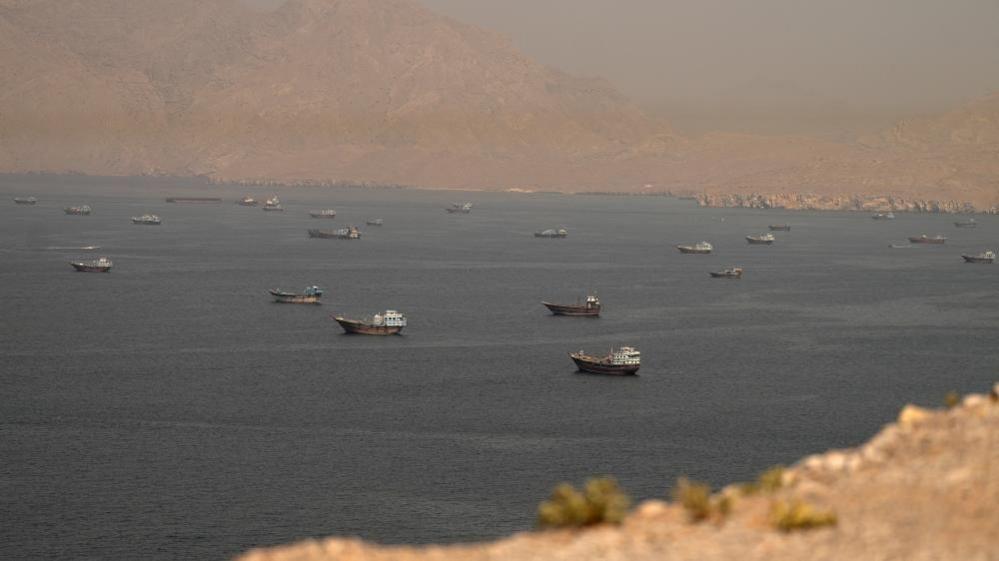
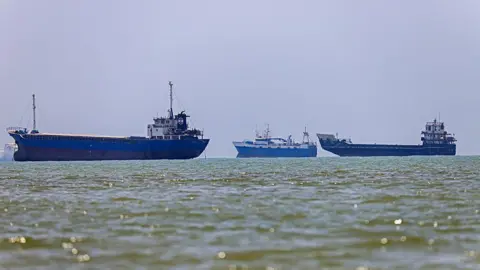
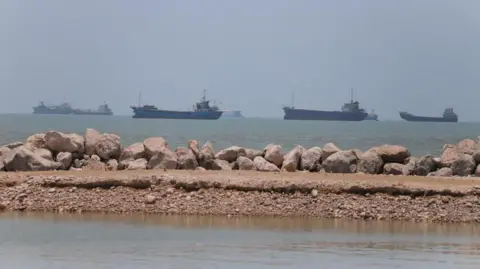
Ship‑tracking data analysed by BBC Verify shows that over 200 tankers appear to be waiting inside the strait as of Tuesday, with at least ten vessels moving west toward the Gulf of Oman. The price of a barrel of Brent crude—the global benchmark—has fallen to the lowest level since the war began.
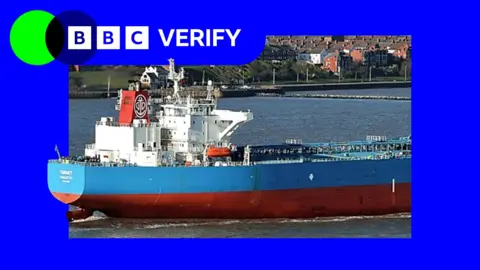
- Most of the recent tankers were linked to Iran and moved after the U.S. naval blockade was lifted as part of the strike‑over‑oil sanctions lift.
- At least 30 tankers have departed the Gulf carrying Iranian oil and petrochemicals since the deal was signed.
- The U.S. Treasury issued a licence to allow the sale of Iranian crude, petrochemicals and other oil products until 21 August.
- On Monday, five previously sanctioned tankers carried up to 4 million barrels of oil past the strait.
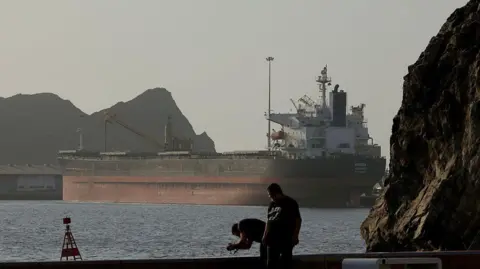
- Additional commercial traffic, including LNG tankers to Qatar’s Ras Laffan port, also resumed through the northern route, as flagged by EOS Risk Group.
All transits were carried out along the Iranian‑approved northern corridor however, not the U.S.‑recommended southern lane closer to Oman’s coast.
Marine authorities are still uneasy: the Persian Gulf Strait Authority (PGSA) requires a valid passage permit, but the U.S. imposes sanctions against the PGSA, deterring some ship‑owners from applying for clearance. Iran’s Islamic Revolutionary Guard Corps reported a temporary closure in response to Israeli strikes on Lebanon, yet other Iranian officials said the strait remained open. Conflicting messages—from the U.N. ambassador to Geneva to a military source—suggest a daily transit cap may be in effect.
Sea‑mine concerns add another complication. The Joint Maritime Information Center (JMIC), a U.S.‑led multinational group, warns against the central corridor due to the presence of mines, urging a southern route near Oman’s coast, which JMIC confirms is clear. Two mine coordinates have been publicly issued and active mine‑clearing operations are underway.
Despite the increased flow of Iranian‑linked vessels, the resumed traffic remains “a trickle” in the eyes of analysts, indicating cautious use by shipping companies while the political situation continues to evolve.
The ongoing uncertainty means the future of Strait of Hormuz traffic will depend on diplomatic alignments, commodity market movements, and the pace of mine‑clearing activities.