US‑Iran MoU: Weapons, Money & Shipping Under the Spotlights
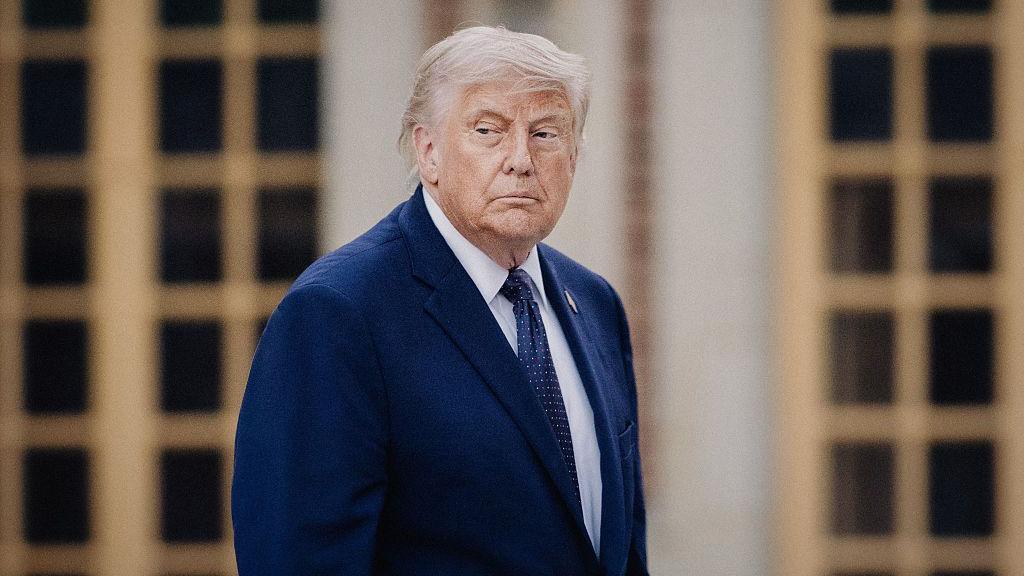
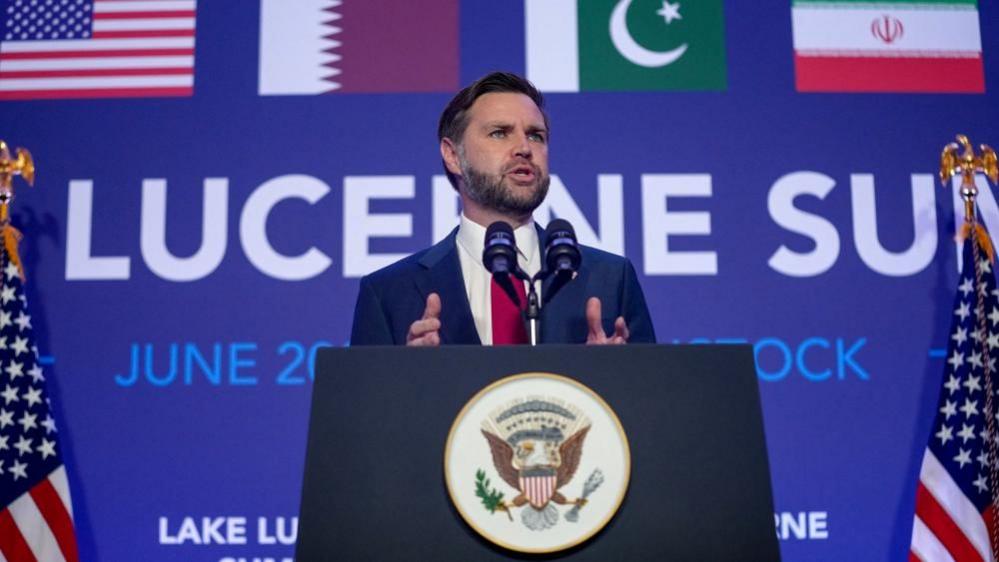
In a move that has drawn sharp criticism and cautious optimism, President Donald Trump has signed a 14‑point memorandum of understanding (MoU) with Iran’s leadership after the U.S. and Israel launched air strikes against Tehran on 28 February 2026.
Nuclear Weapons: Terms and Gaps
The MoU echoes the JCPOA’s language that Iran will not develop nuclear weapons, but offers no concrete mechanism for the elimination of its enriched uranium stockpile. While the president’s statements promise that any remaining material will be removed, the agreement itself makes no mention of storing or destroying the 440 kg of 60‑% enriched uranium Iran is believed to possess.
Unlike the JCPOA—which froze Iran’s central‑bank assets and set explicit nuclear safeguards—the new MoU only creates a framework for subsequent talks. The lack of detail has led analysts to worry that the document may not hold the same level of enforceability.
Sanctions and Economic Relief
The MoU promises the phased termination of U.S. sanctions, allowing immediate waivers for the export of Iranian crude oil and related services. Approaches to unlocking up to $50 bn of Iranian assets, set aside during the previous sanctions regime, are also included. However, no conditions or timelines are specified, leaving critics uncertain about the pace and scope of economic relief.
Strait of Hormuz: A Temporary Open‑Gate
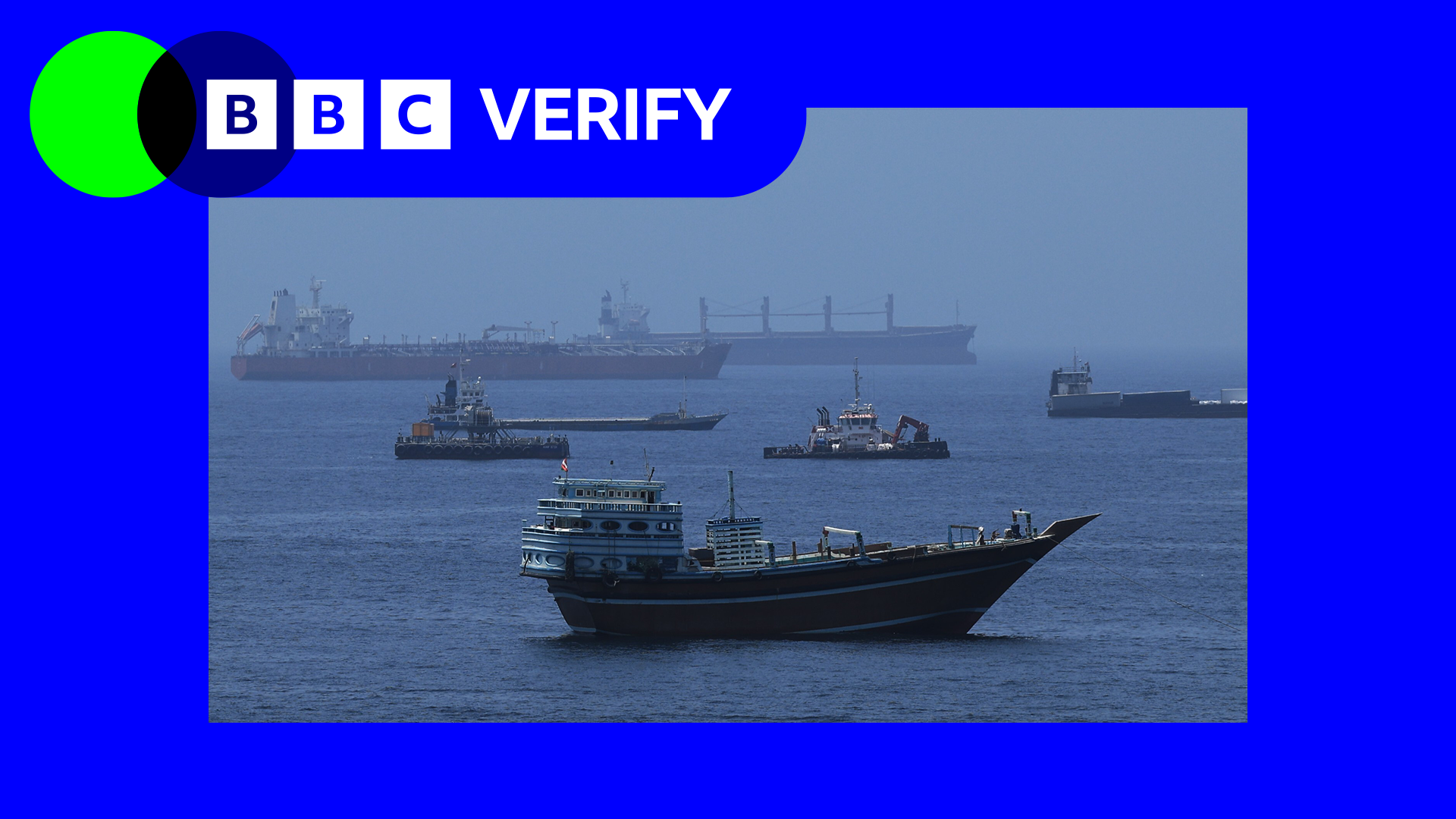
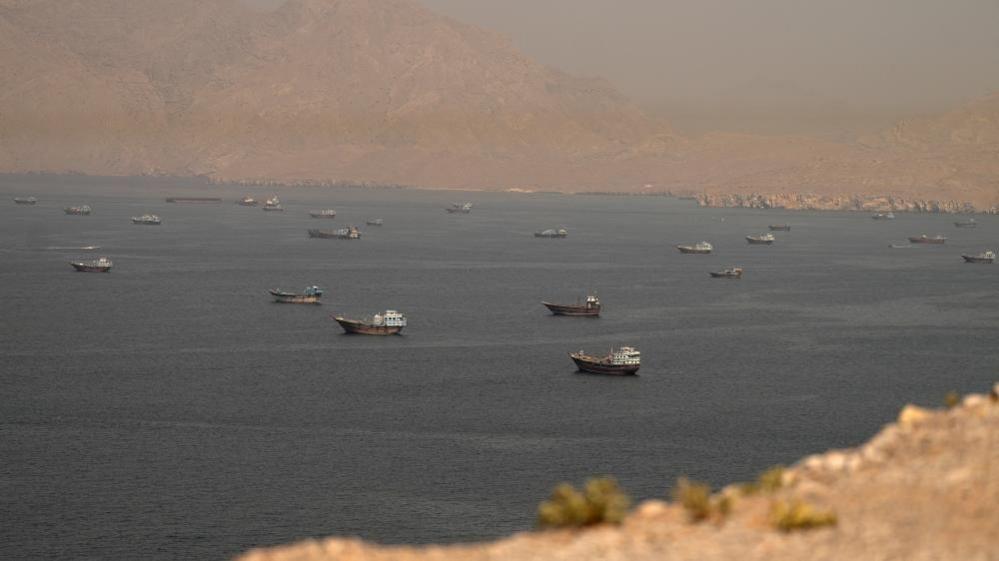
The agreement states that the U.S. naval blockade of Iranian ports will end within 30 days, and for 60 days Iran will facilitate safe passage of commercial vessels through the Strait of Hormuz at no charge. After that period, the plan calls for Iran to negotiate with Oman about the future administration of the waterway.
This is a departure from the JCPOA, which never addressed the strait. The MoU’s limited 60‑day window and lack of a long‑term framework have raised questions about whether Iran’s new gate‑keeping authority—announced on 21 May—will be upheld.
Beyond the Signed Text
Despite its brevity, the MoU has already set off a series of diplomatic signals. The U.S. has made public statements that Iran’s missile capabilities will be suppressed, yet the document contains no reference to ballistic missiles. Critics argue that this omission could allow Iran to maintain a strategic advantage, especially in light of missile programs pursued by regional rivals.
The agreement comes amid an ongoing conflict where daily shipping movements through the Strait of Hormuz have fallen from an average of 94 vessels in 2025 to as few as six after the war’s outset. The U.S. blockade and Iranian attacks on commercial shipping have contributed to this decline.
In sum, while the MoU signals a willingness for both sides to restart dialogue, it does so with broad strokes and uncertain enforcement mechanisms. Observers will be watching closely to see whether the forthcoming talks bring finer details to the table, especially on nuclear safeguards, sanctions timelines and maritime freedom.