Colombia’s presidential race is fought in the shadow of escalating violence
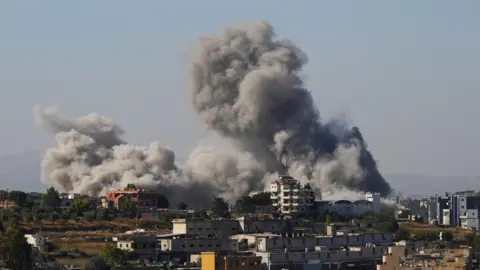
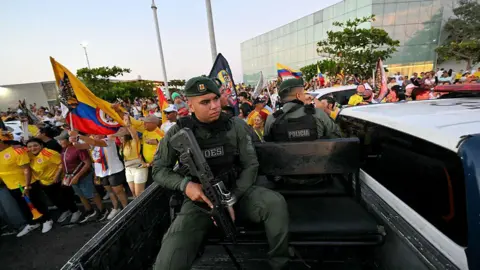
The June 20, 2026 election has become a battlefield for different visions of security amid a surge of armed conflict that has displaced thousands and left cities scarred.
In Bogotá, survivors tell stories of extortion, bomb‑carried routes, and neighbours being dragged away. Among them is Edilma Martinez Flores, who reports that her brother was murdered in front of his children because he refused to pay a local cartel’s protection fee.
For many voters, the country’s 60‑year history of militias, cartels and state forces looms large. Recent data shows violent groups such as FARC dissidents, the National Liberation Army (ELN) and the “Clán del Golfo” have almost doubled their membership over the last five years. They now control critical rural corridors for drug trafficking and illegal mining.
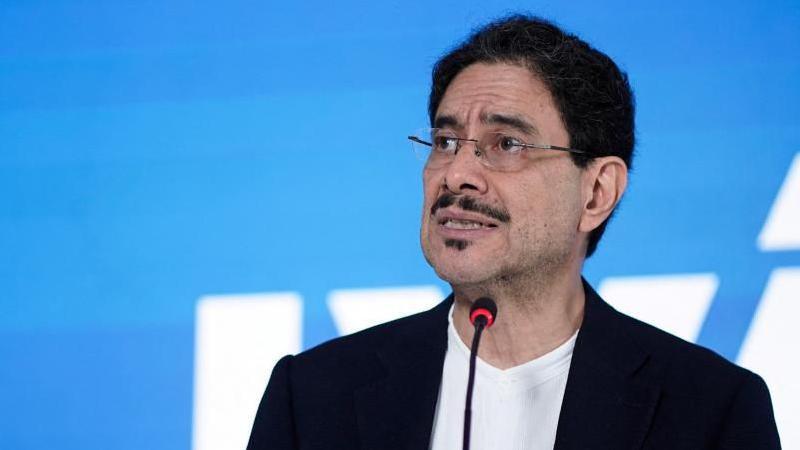
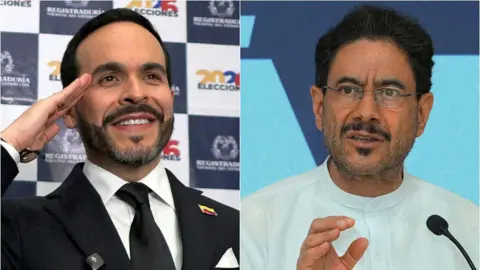
The left‑wing candidate, former senator Iván Cepeda, proposes to continue President Gustavo Petro’s “total peace” approach, which prioritises negotiation and a selective use of force. He claims the policy has prevented large-scale bloodshed, but critics argue it lets armed groups exploit cease‑fires.
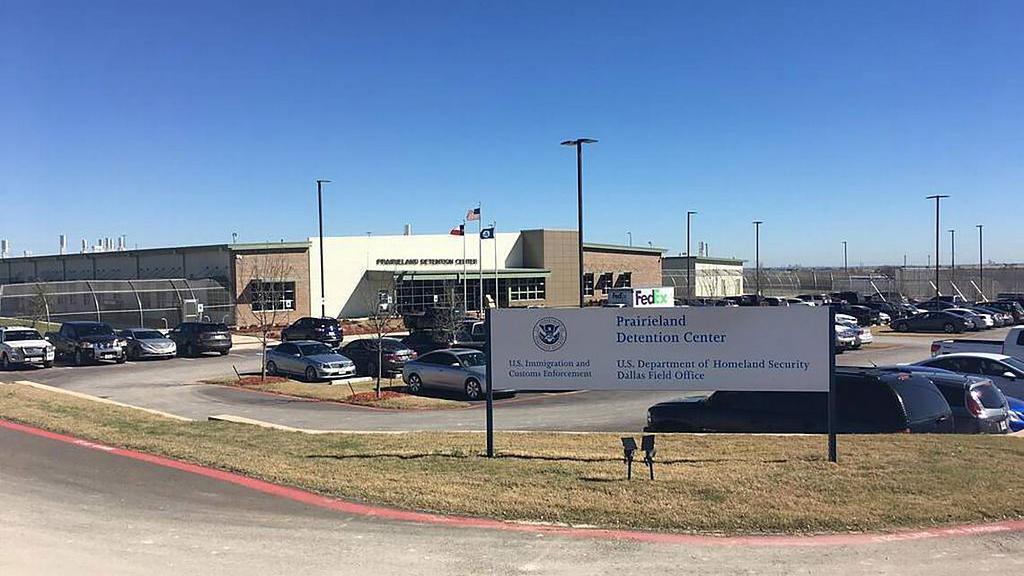
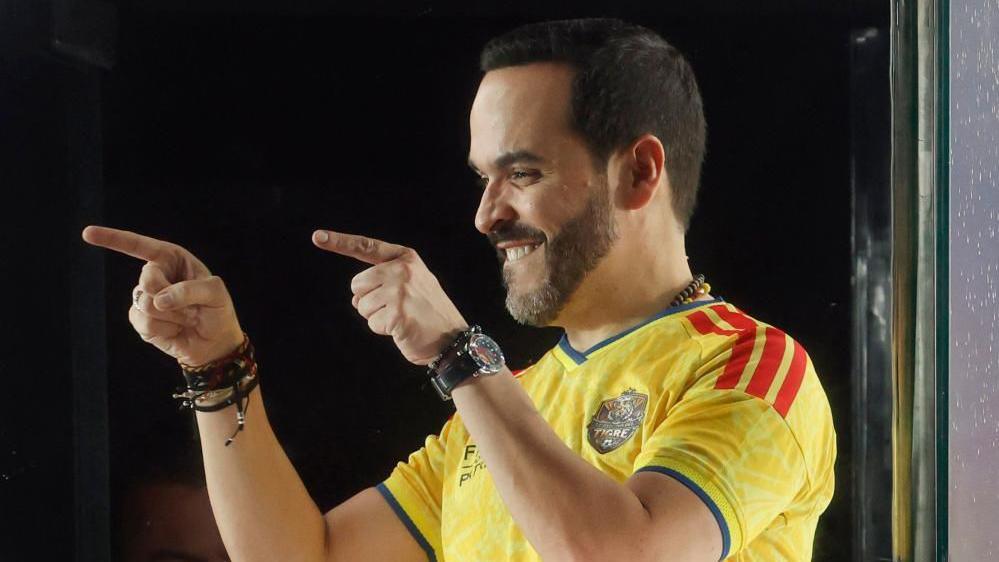
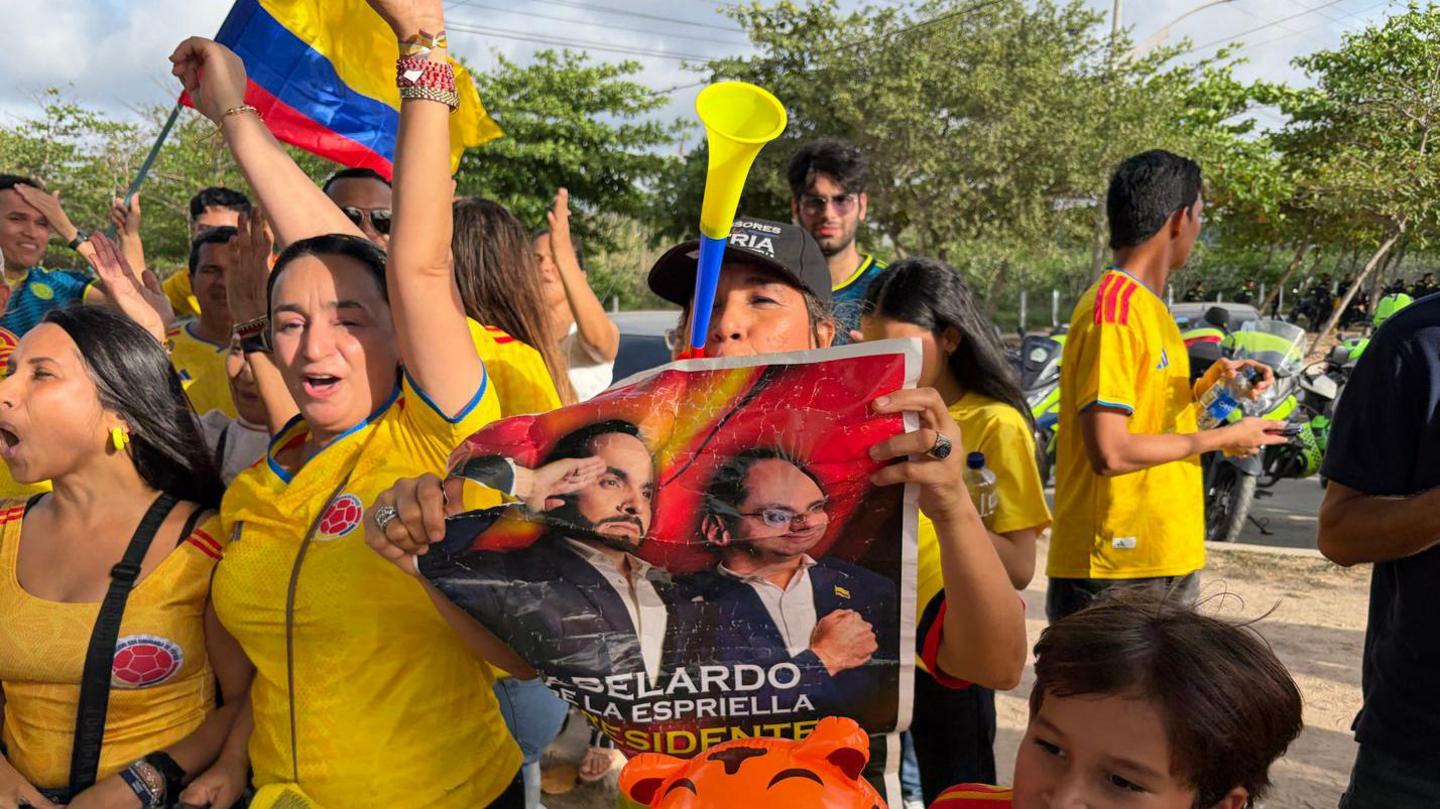
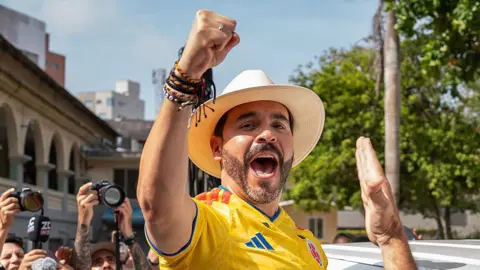
Cepeda’s opponent, Abelardo de la Espriella – a businessman and lawyer who has been endorsed by former U.S. president Donald Trump – calls for ten mega‑prisons, a militarised crackdown and the end of talks with armed groups. His supporters see him as a decisive figure to tackle drug trafficking and paramilitary violence.
The election’s stakes are felt across the spectrum. Young voters see in Cepeda a chance to address the root causes of insecurity – poverty, inequality and the lack of state presence – through a blend of repression and programmes. In contrast, older voters and conservatives fear that a lack of hard security will allow criminal networks to grow unchecked.
The North‑east region, from which de la Espriella draws his strongest support, has long been a hotspot for cartel and militia activity. Data from the United Nations report a 300 % rise in forced displacement between 2024 and 2025, driven by cocaine production and the gaps left after the 2016 FARC peace deal.
Candid speeches have highlighted contrasting proposals: Cepeda stresses “negotiated security”, combining state repression with social initiatives, while de la Espriella promises to “take down any criminal who does not surrender.” He also pledges to rethink taxation to boost job creation and strengthen healthcare.
The result of this polarised contest will shape Colombia’s future relationship with the United States, where Trump expressed that a de la Espriella win would ensure full American backing while slinging the incumbent left a “radical left marist”.
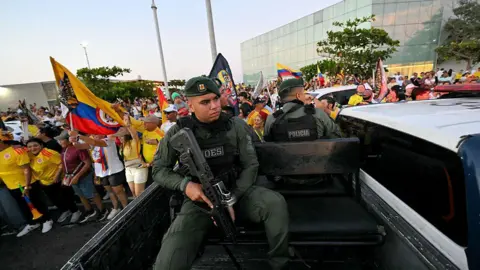
As night falls, Bogotá’s streets erupted in praise of the national football squad, a temporary reminder of the country’s unity. But the political divide remains stark. The electoral outcome could further fragment Colombia’s political landscape, depending on whether voters prioritise negotiation or force to secure peace.
AFP via Getty Images