Minnesota Residents Still Live in ICE‑Related Fear Despite Raid Wind‑Down
After the volumes of federal agents in Minneapolis dwindled in February, the shock of Operation Metro Surge has not faded. A number of the city’s immigrant‑owned businesses closed entirely, and the city’s economy has struggled to recover. What remains, though, is a persistent sense of threat that the federal agency may return, reminding residents of a recent past marked by arrests and fatalities.
A 20‑year‑old Afghan asylum seeker, who prefers to stay anonymous out of safety concerns, admitted that “we’re still a little scared.” She and her family fear that the operation could resume, with severe consequences for those left in Minnesota who have no safe place to flee.
A 19‑year‑old Somali refugee, now back in school, says her fear is never gone: “If they come back, what are you going to do?” She reports watching documentaries about the raid’s brutality and seeing the memorials to two U.S. citizens who lost their lives due to ICE agents’ armed response.
Economic Toll Still Felt on Lake Street
The Lake Street corridor, a heavily Hispanic neighbourhood with a high concentration of immigrant‑owned shops, lost $30 million in monthly revenue during the raid. Half of the businesses closed entirely, according to the Lake Street Council, and many of those owners have not reopened. Tax revenue, rents, and local investment have all suffered as workers avoided their workplaces for fear of arrest.
Broad estimates suggest the state could have lost more than $600 million in total revenue and homeowners lost $240 million in wages last year, with an 8 % rise in eviction filings across the state.
ICE’s Continued Presence and Influence
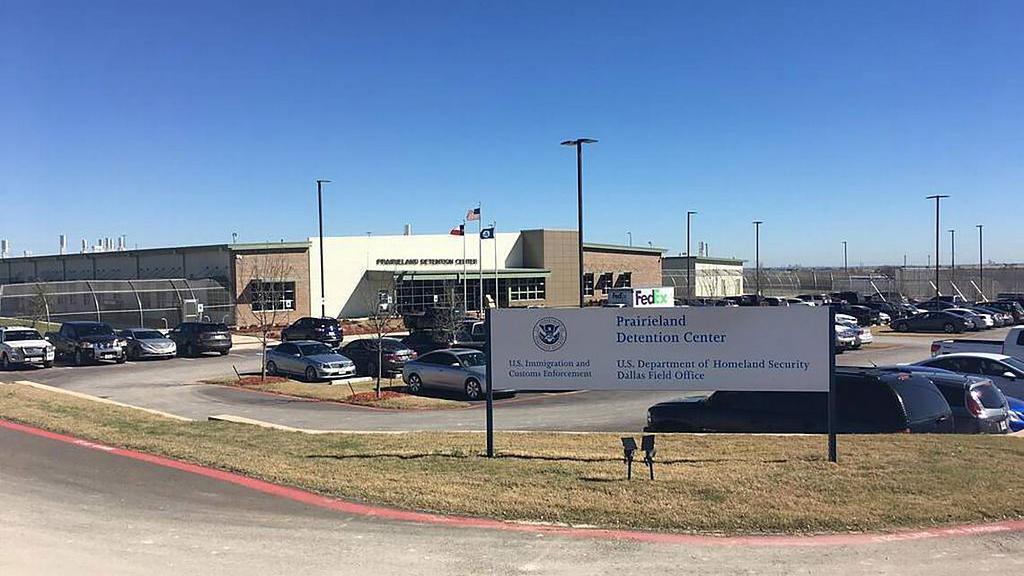
While the high‑visibility raid ended, the federal agency’s engagement has not vanished. A March lawsuit levied that 482 agents remain in Minnesota, and the former Chicago field office has executives in St. Paul who reopen with “targeted” operations. ICE’s reputed shift to “surgical” interventions means more rural and suburban communities feel the pressure, with agencies demanding documents from businesses that may have undocumented staff.
Additionally, the U.S. Citizenship and Immigration Services announced a re‑vetting of 5,600 refugees last year, citing a supposedly “inadequate” vetting. Some of those deemed potentially ineligible found themselves in ICE detention out of state, with no legal representation.
In short, the political narrative around the scandal – that criminal immigration was at the heart of the raids – is challenged by data showing that 60 % of arrests were of people with no pending charges.
Community Voices and the Long‑Term Impact
Local educators, such as a Minneapolis teacher who organized charity grocery drives, say the fear persists in students’ heads. She warns that the trauma can shift generational voting patterns and civic trust. Her recollection of students staying home because of deployment of federal police underscores a crisis that may last years.
Conversely, federal officials proclaim the cost of keeping “criminal illegal aliens” out must not be weighed against economic loss, framing the debate in tone‑tuned terms of national safety.
Until a broader policy lets clear rights for refugees and their families, foreign nationals will likely remain paranoid about the potential return of a large federal force, lingering in the “minefield of ghosts” many citizens describe when they see memorials that mark the raid’s most tragic moments.
The Minnesota story highlights the hard‑so‑called intersection of border control, economic stability, and civil‑rights in an era of intensified enforcement. The question is whether the new administration will allow that fear to settle or to target a new wave of enforcement.