Colombia’s presidential contest is being framed by a painful 60‑year conflict that has killed hundreds of thousands and swollen armed groups.
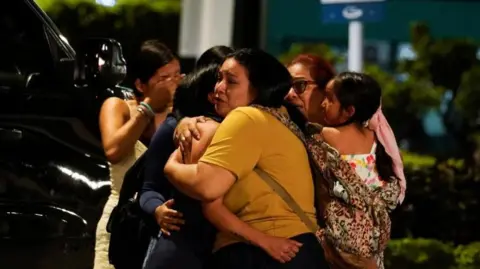
"My brother was murdered for not paying an extortion payment…in front of his children," says Edilma Martinez Flores at a Bogotá support centre for displaced people, illustrating the human cost of the violence that now dominates the campaign.
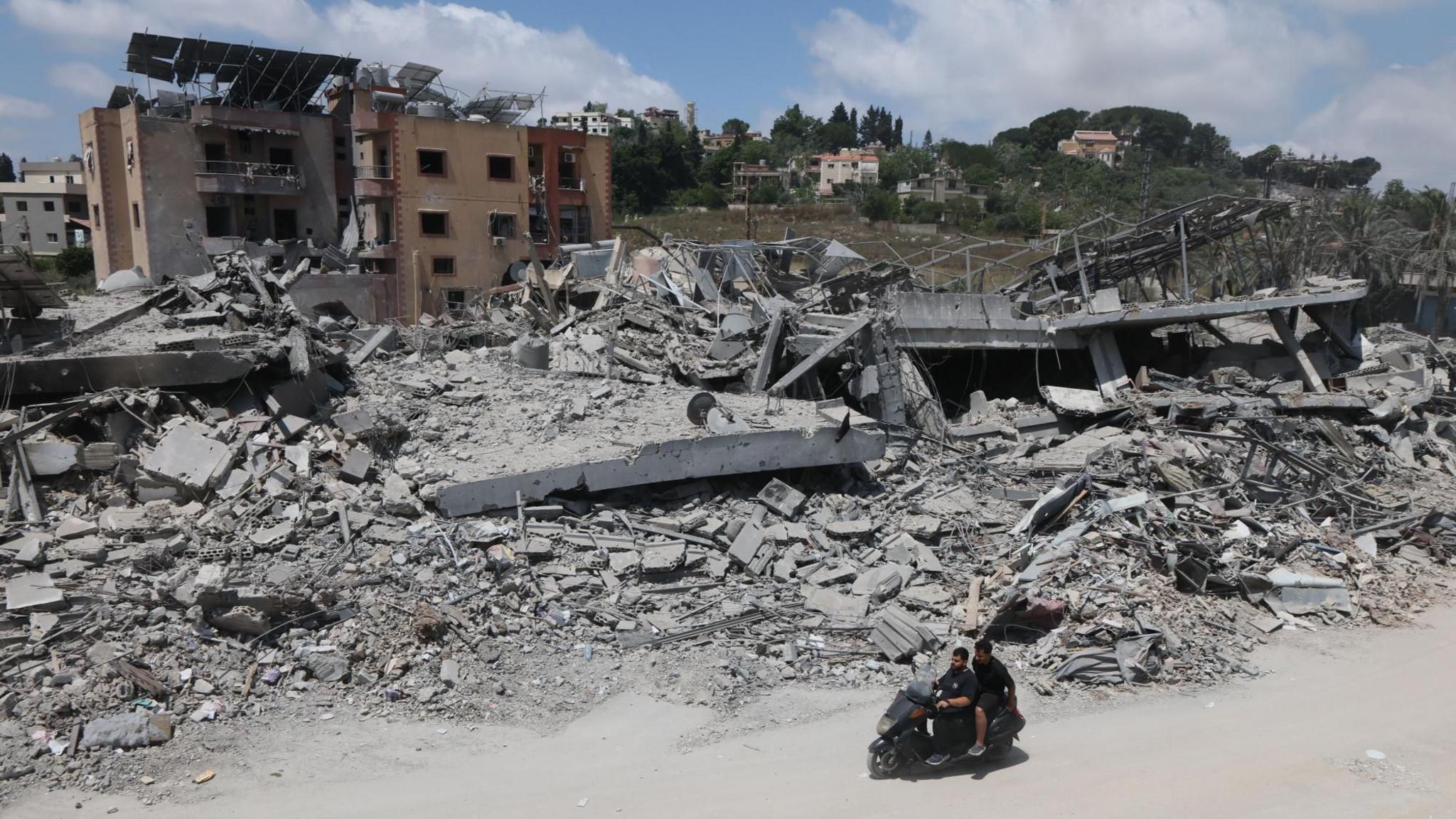
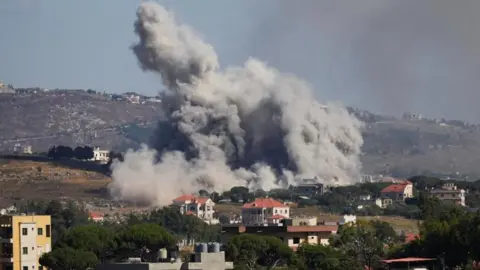
The country’s interior has turned into a battleground where paramilitaries, guerillas and criminal gangs clash over drug‑trading routes and illegal mining, leaving civilians trapped and fleeing their homes.
Since the 2016 peace deal saw thousands of FARC fighters demobilise, their former territories have been filled by dissident factions, the National Liberation Army and the Clan del Golfo, effectively doubling membership of illegal armed groups in five years.
Candidates cast sharply different futures.
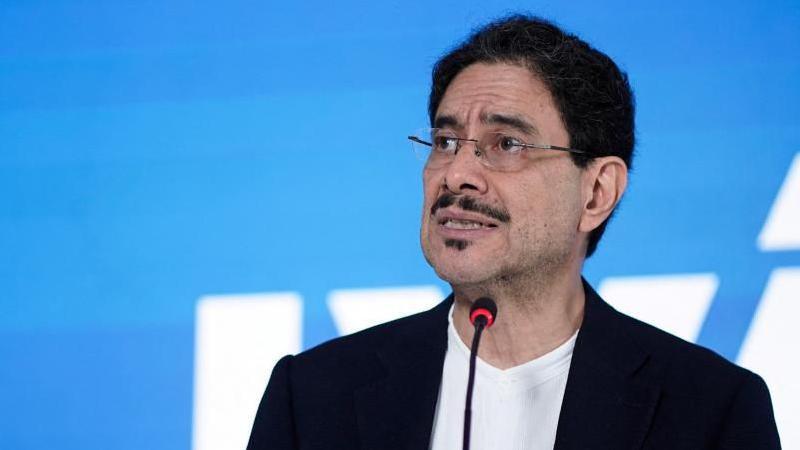
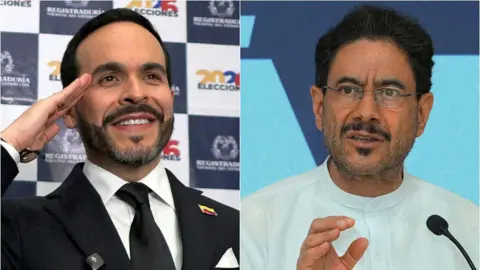
Iván Cepeda, a left‑wing senator best known for crafting President Gustavo Petro’s "total peace" strategy, earmarks "social transformations" and a review of negotiations with armed groups, arguing that dialogue has kept lives from being lost.
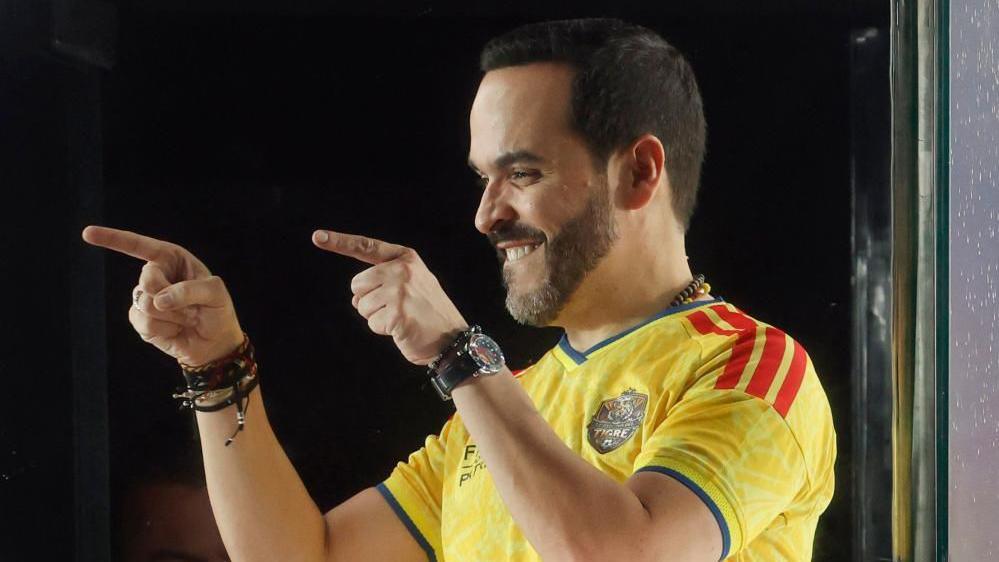
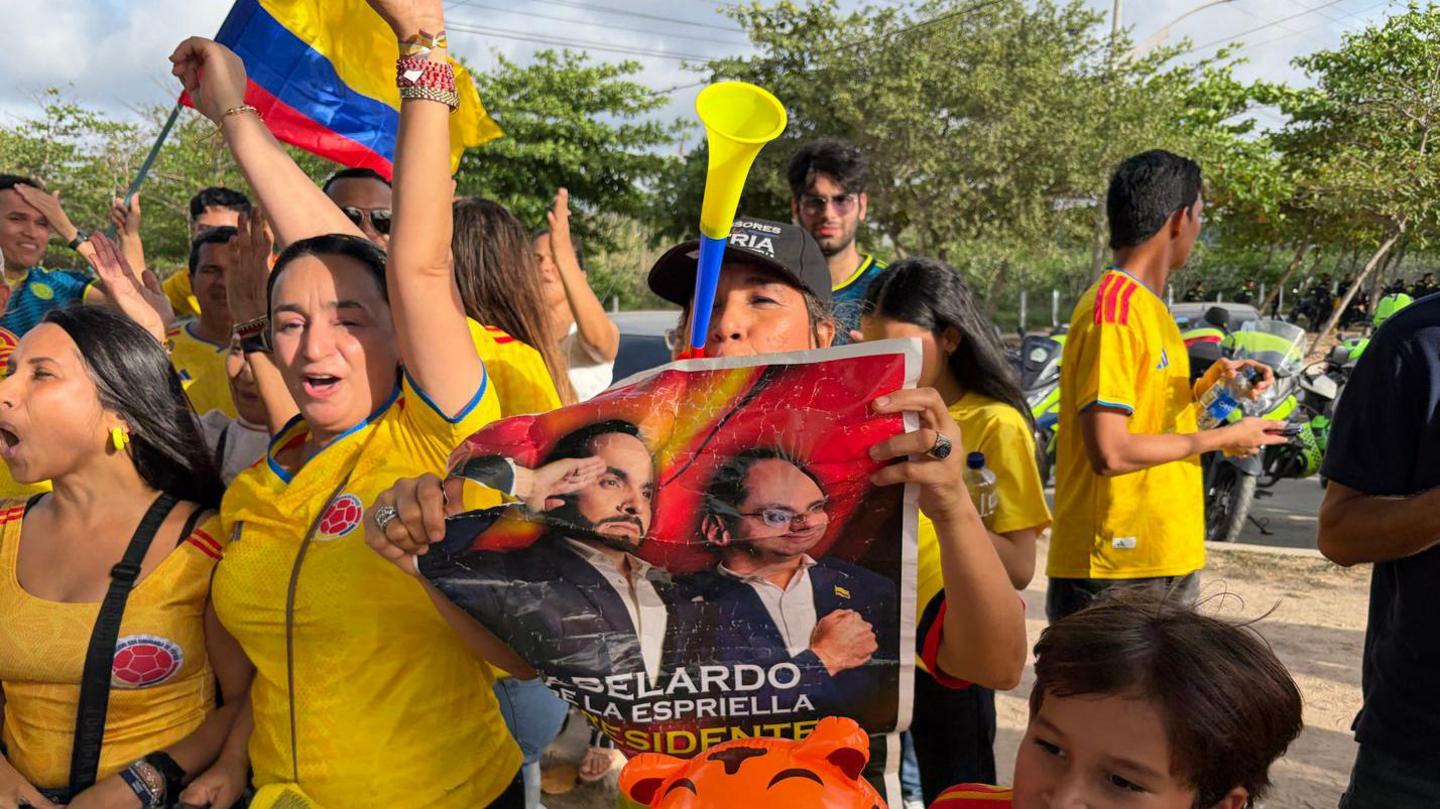
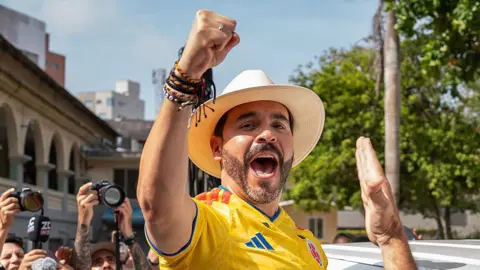
His opponent, Abelardo de la Espriella, a right‑wing businessman dubbed "El Tigre", promises ten mega‑prisons, a hard‑line military drive and a refusal to negotiate with guerrillas, echoing Trump’s endorsement of a hard‑stated security agenda.
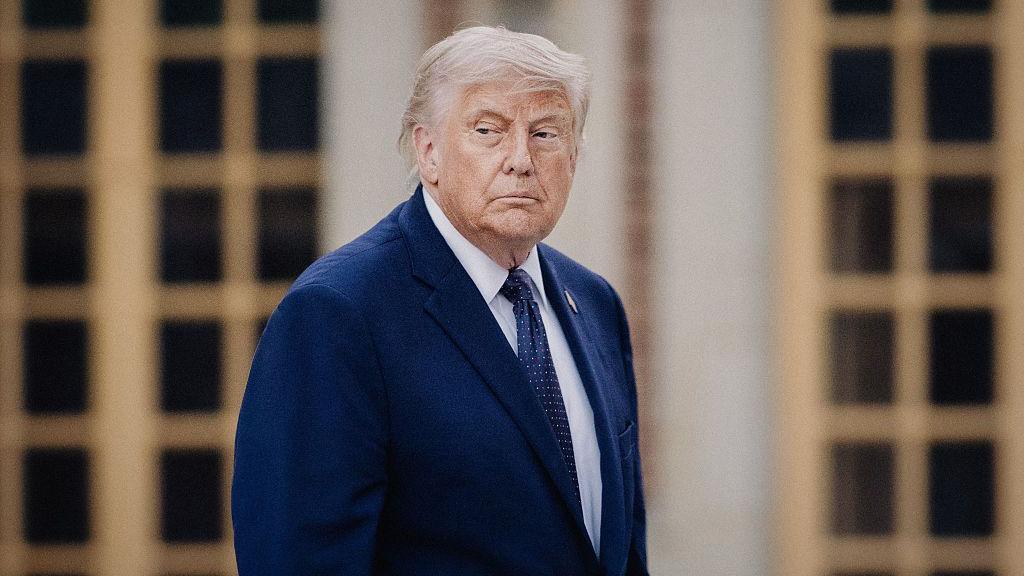
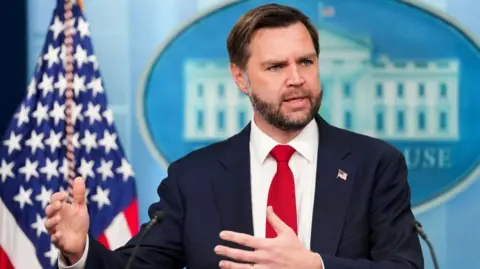
Trump’s support was criticised by the left as foreign interference, but de la Espriella’s backing is part of a U.S. interventionist push against criminal networks in Latin America.
The question of security and reconciliation sits at the heart of Colombian voters’ concerns, whether they feel that a negotiation‑based approach can rebuild society or a ruthless crackdown is necessary.
Voices from communities rising in the conflict add a heartbreaking dimension to the race.
Erin Gamboa of Chocó describes the disappearance of his half‑brother to FARC guerillas, while families across the coast report extortion, bomb‑attacks and forced displacement, with the government noting a 300% rise between 2024 and 2025.
Local youths, such as student Catalina La Grande, favour Cepeda for his balanced plan that mixes repression with social programmes, contrasting with de la Espriella’s promise of military strength and less emphasis on socioeconomic reform.
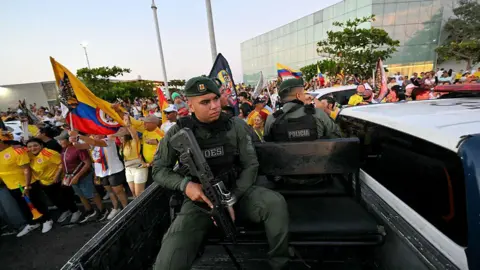
Meanwhile, supporters of de la Espriella celebrate the candidate’s independence from left‑wing ideology and insist on a firm stance against drug trafficking and militias.
Across the nation, the upcoming election promises to divide the country, reflecting a contest not just for the presidency but for the formula of peace, security and national identity.
Additional reporting by Vanessa Silva and Nathalie Jimenez.