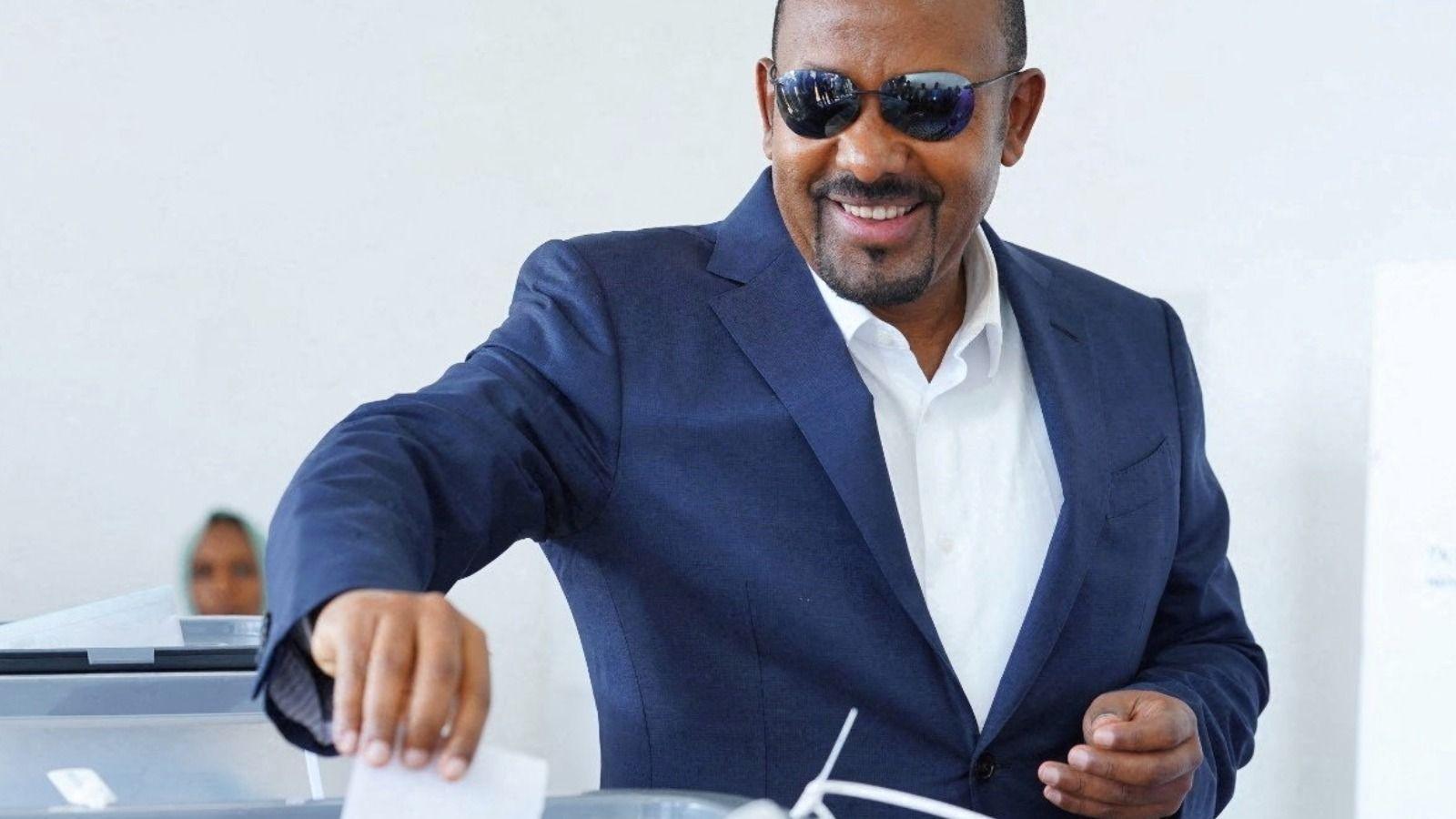
Prime Minister Abiy Ahmed has regained a decisive parliamentary majority in Ethiopia’s recent election, securing 438 of 501 seats and positioning himself for another full term. The win paves the way for Abiy’s return to office at the start of October.
Proponents praise the fast‑tracked economic gains and the historic peace settlement reached with Eritrea—a triumph that earned Abiy the 2021 Nobel Peace Prize. Yet the nation’s security posture remains volatile. Armed militias in the Amhara and Oromo regions, along with the pro‑autonomy Oromo Liberation Army, openly rejected the contested verdict, citing political repression and a lack of true representation.
Outstanding concerns focused on the Tigray region, where nine polling stations closed amid armed clashes. Tigrayan forces, backing the Tigray People's Liberation Front (TPLF), flagged the poll as illegitimate and threatened renewed hostilities. The central government’s heavy security presence and claims of forced recruitment have compounded the tension.
Global actors heed the looming threat. The European Union has issued a stern warning calling for immediate de‑escalation in the North. Concurrently, the United States imposed visa restrictions on “hard‑line” TPLF families, highlighting the fresh instability. Security analysts note that a cascade of regional conflict is plausible if the government’s consolidation of power escalates the existing militias’ activities.
With Ethiopia’s political landscape still sharpening into a fragile balance, the next months will determine whether Abiy’s leadership can prevent a resurgence of violence, or whether the nation will tumble back into broader conflict. Ongoing diplomatic engagement and a reevaluation of the military‑political rivalry within Ethiopia will be critical to steering the country toward peace and stability.