From Advocacy to Imprisonment: The Story of Dr. Mahrang Baloch
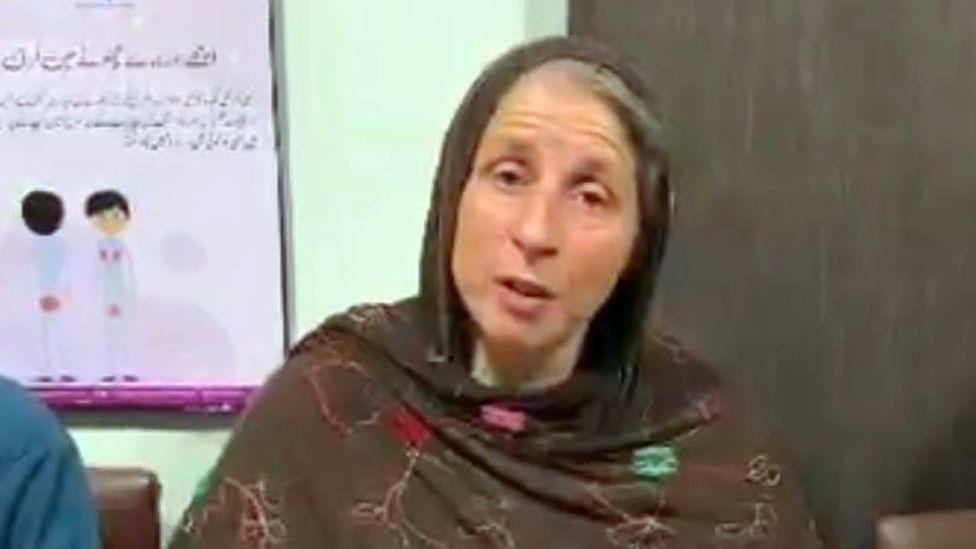
Mahrang Baloch began her fight for justice as a teenager, searching for her father who vanished during a security operation in Balochistan in 2009. Eight years later her father’s body appeared, scarred by torture, fueling a lifelong mission to uncover truth about enforced disappearances in the region.
Her activism brought her national prominence. She joined the Baloch Yakjehti Committee, led marches to Islamabad, and demanded institutional reforms. In 2025 her name appeared on the BBC 100 Women list and she was nominated for the Nobel Peace Prize.
In January 2024 a mob of protesters marched 1,000 miles to Islamabad, and in March 2025 she led a protest in Quetta when unclaimed bodies were buried. Pakistani authorities arrested her twice during these marches and in March 2025 she was taken into custody. The anti‑terrorism court convicted her and her fellow activist Sibghatullah Shah of terrorism, sedition and murder, sentencing them to life imprisonment.
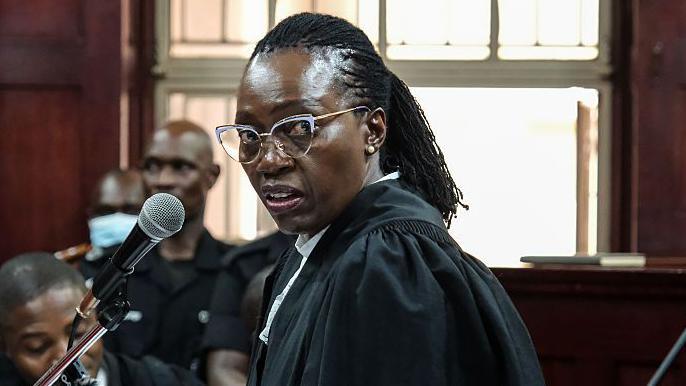
Mahrang’s sister Nadia says the trial was unfair and notes her lawyers were replaced, witnesses were denied access, and the court lacked transparency. She said the government’s complaint is that the case concerns criminal acts rather than political dissent.
While incarcerated, Mahrang remains defiant. Her family insists the conviction is political, and they plan to appeal in higher courts. She continues to press the message that the struggle for justice in Balochistan will persist despite her imprisonment.
The case has drawn international attention and sparked debate about freedom of expression, due process and the rights of minorities in Pakistan’s most resource‑rich province.
"The struggle will continue," she told reporters before her arrest, and her words echo in the streets of Quetta as activists rally for her release and for the families of the disappeared.