Ethiopia’s General Election: Prosperity Party Secures Landslide Amid Growing Conflict Concerns
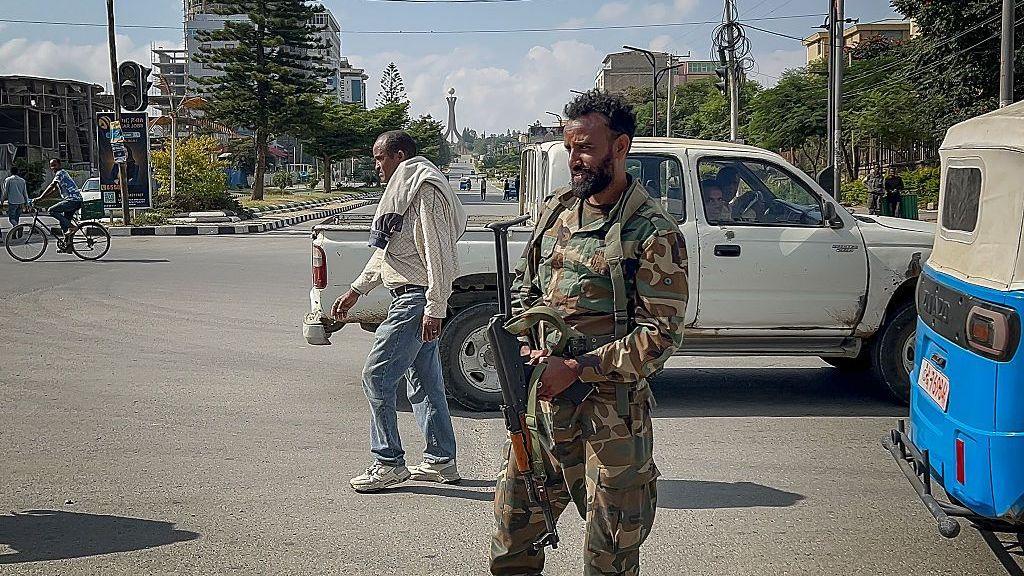
On 1 June, Ethiopian voters turned out to elect a new government, and Prime Minister Abiy Ahmed’s Prosperity Party won 438 of the 501 contested seats, preserving an overwhelming parliamentary majority that will allow him to be sworn in for another term in early October.
The surge is a validation of a decade‑long effort to open the political system and stimulate growth, but the election’s legitimacy remains contested. In the northern Tigray region, where the civil war ended only in 2022, polling stations were deliberately closed by security forces, and the 38 constituencies of that region were excluded from the contest entirely. These decisions fuel arguments that the election was exclusionary and could ignite further aggression.
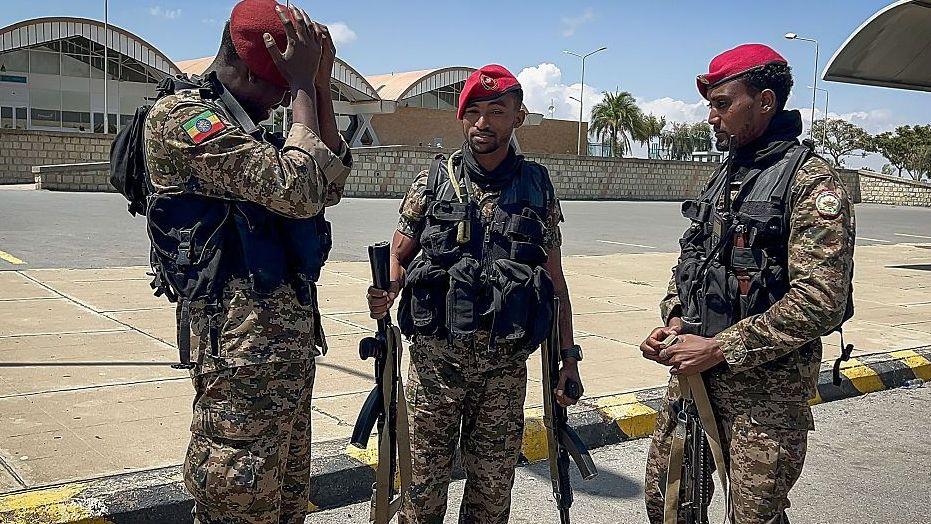
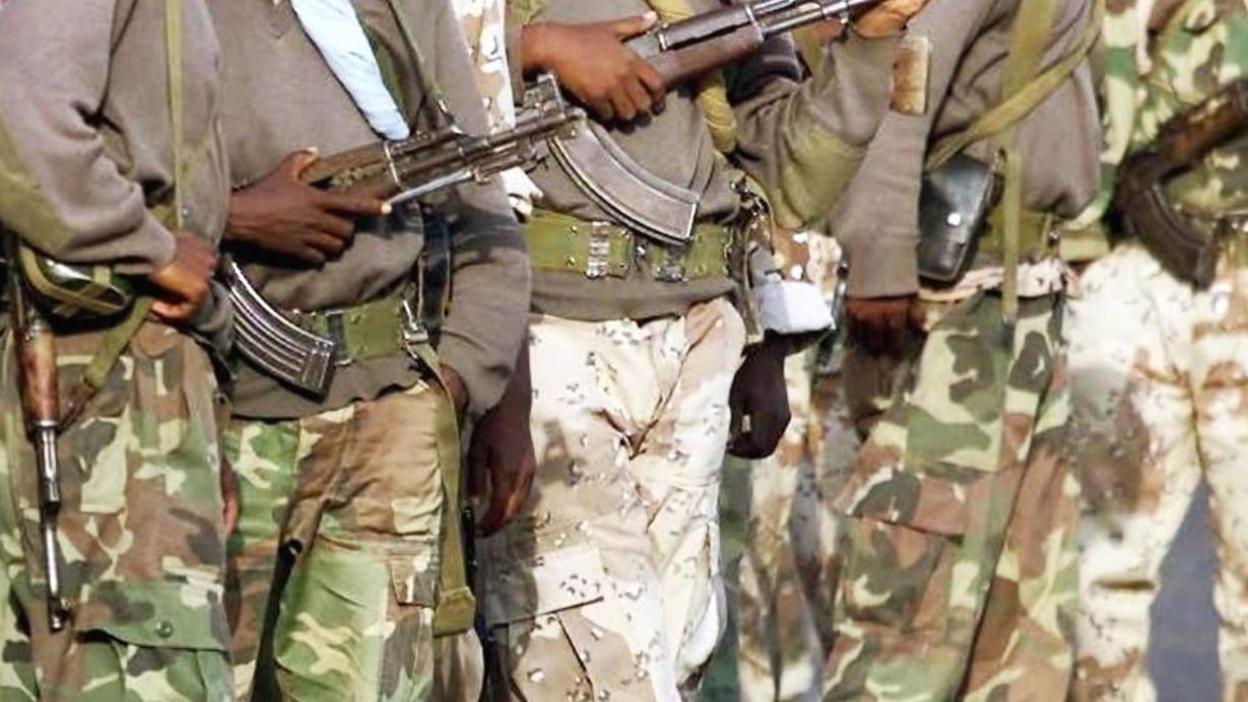
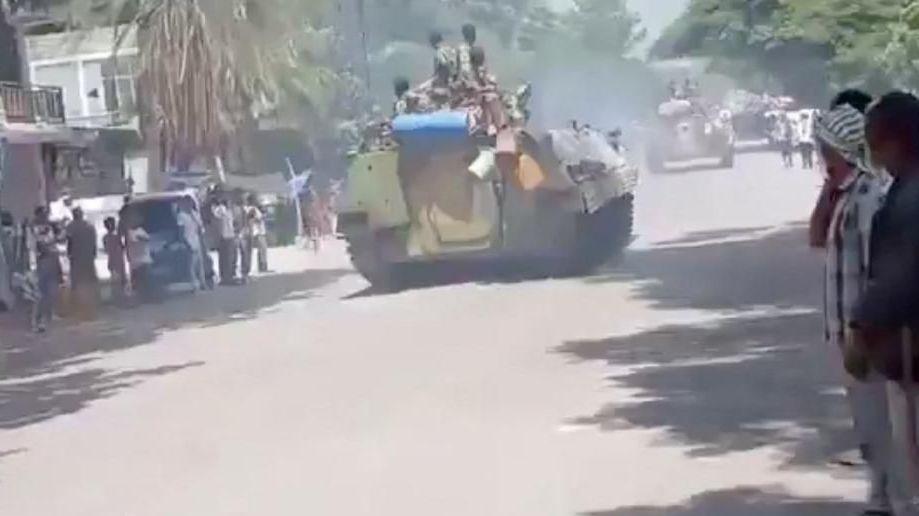
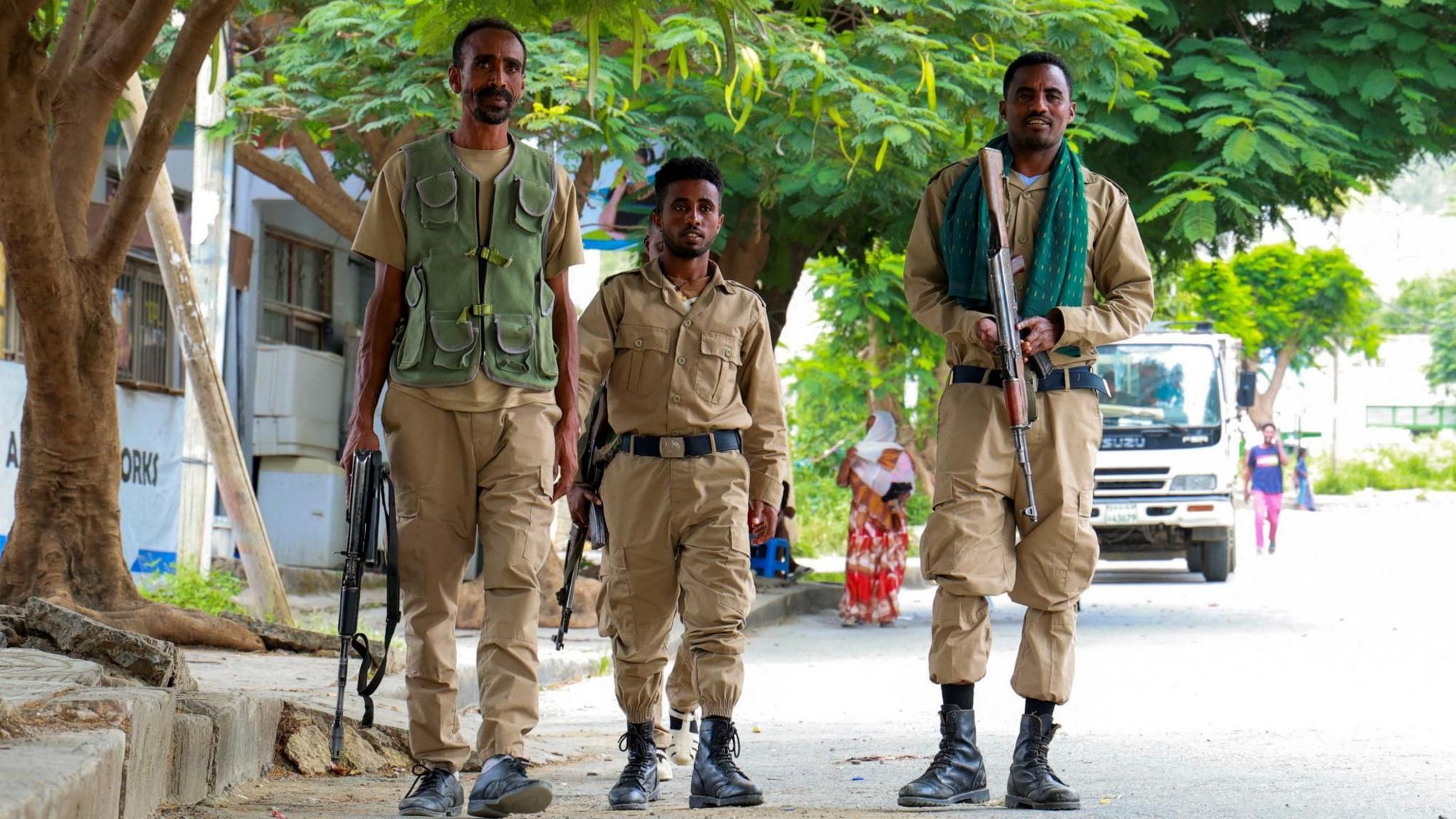
Violence has moved beyond Tigray. Militias in the Amhara region, known as the Fano, and the armed wing of the Oromo Liberation Army in Oromia rejected the poll’s legitimacy and declared the elections illegal. In both areas, armed groups have intensified recruitment and attacks on civilians, signalling an escalating insurgency that threatens to spill over into wider conflict.
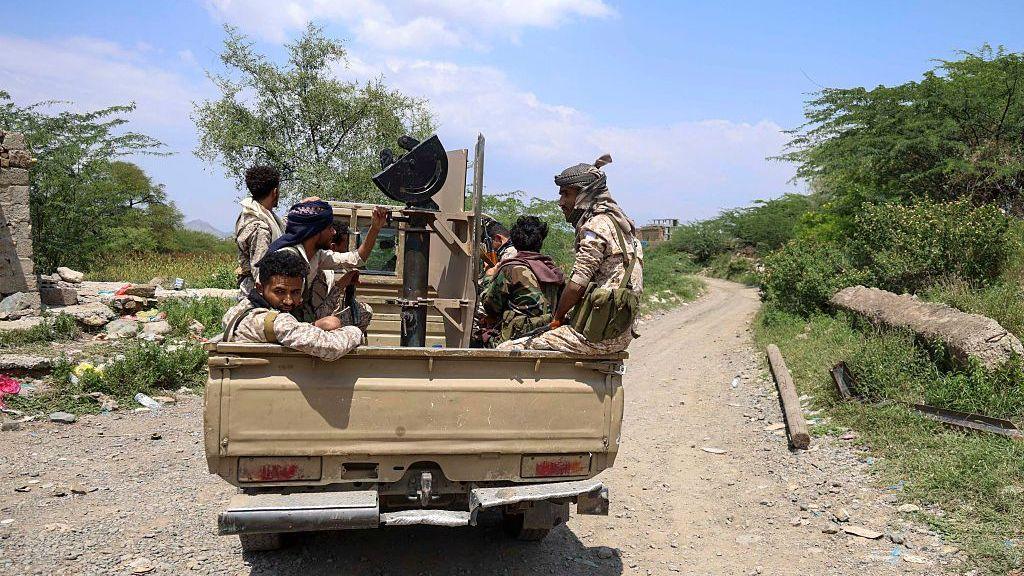
The broader geopolitical landscape adds layers of complexity. Eritrea, which locked Ethiopia out of access to the Red Sea in 1993, sees Addis Ababa’s repeated calls for a new port as a threat to its sovereignty. At the same time, Eritrea’s alliance with Tigrayan forces risks turning neighboring Sudan into a frontline, potentially expanding the conflict into a regional crisis. International actors have reacted quickly: the European Union issued a warning urging immediate de‑escalation, and the US announced visa restrictions targeting hardline members of the Tigrayan People’s Liberation Front and their families.
Analysts note that the situation remains dangerous, though a full‑scale war is not imminent. The TPLF’s claims of inflaming the situation and the Ethiopian government’s responses, including alleged undermining of the peace agreement, create a deeply polarized environment that could deteriorate if negotiated solutions are not pursued.
The election’s outcome and the unresolved security tensions underline a stark dilemma: Abiy Ahmed’s concentration of power may provide an opportunity to restore peace, but the continuation and intensification of violence across several regions could trigger a new wave of conflict, with the next few weeks likely determining the country’s trajectory toward stability or renewed war.