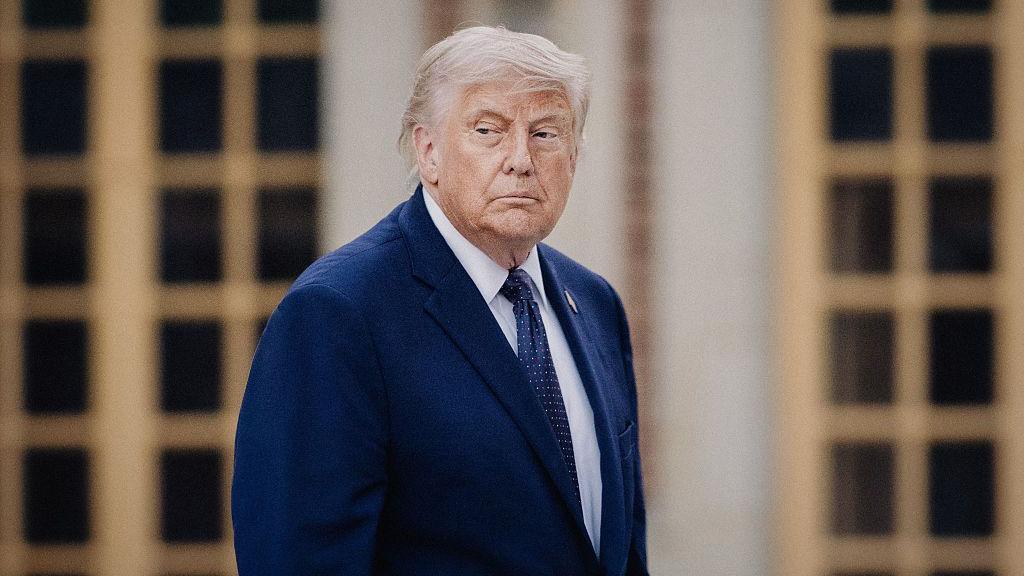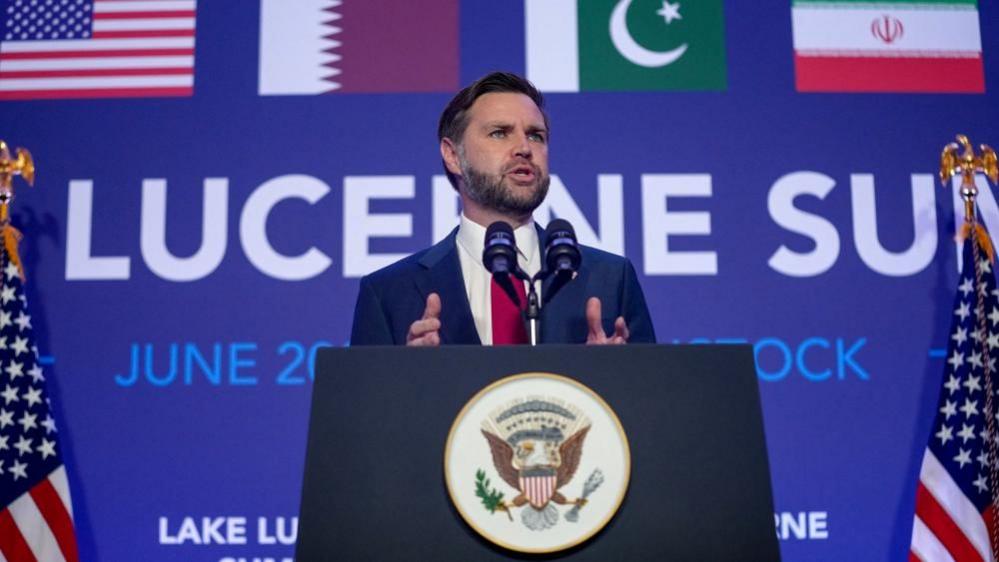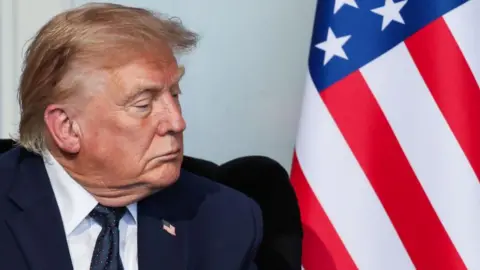
In a historic moment at the G7 summit, President Donald Trump declared that a preliminary deal to end the war with Iran has already been signed and that details would be released soon.
During conversations with French President Emmanuel Macron, Trump said, “I am very happy to say it's signed, the deal is all signed.” The agreement has been confirmed as electronic, with signatures from Trump, Vice President JD Vance and Iranian Parliament Speaker Mohammad Bagher Ghalibaf.
“The full text of the agreement will be released pretty soon,” Trump added during the summit.
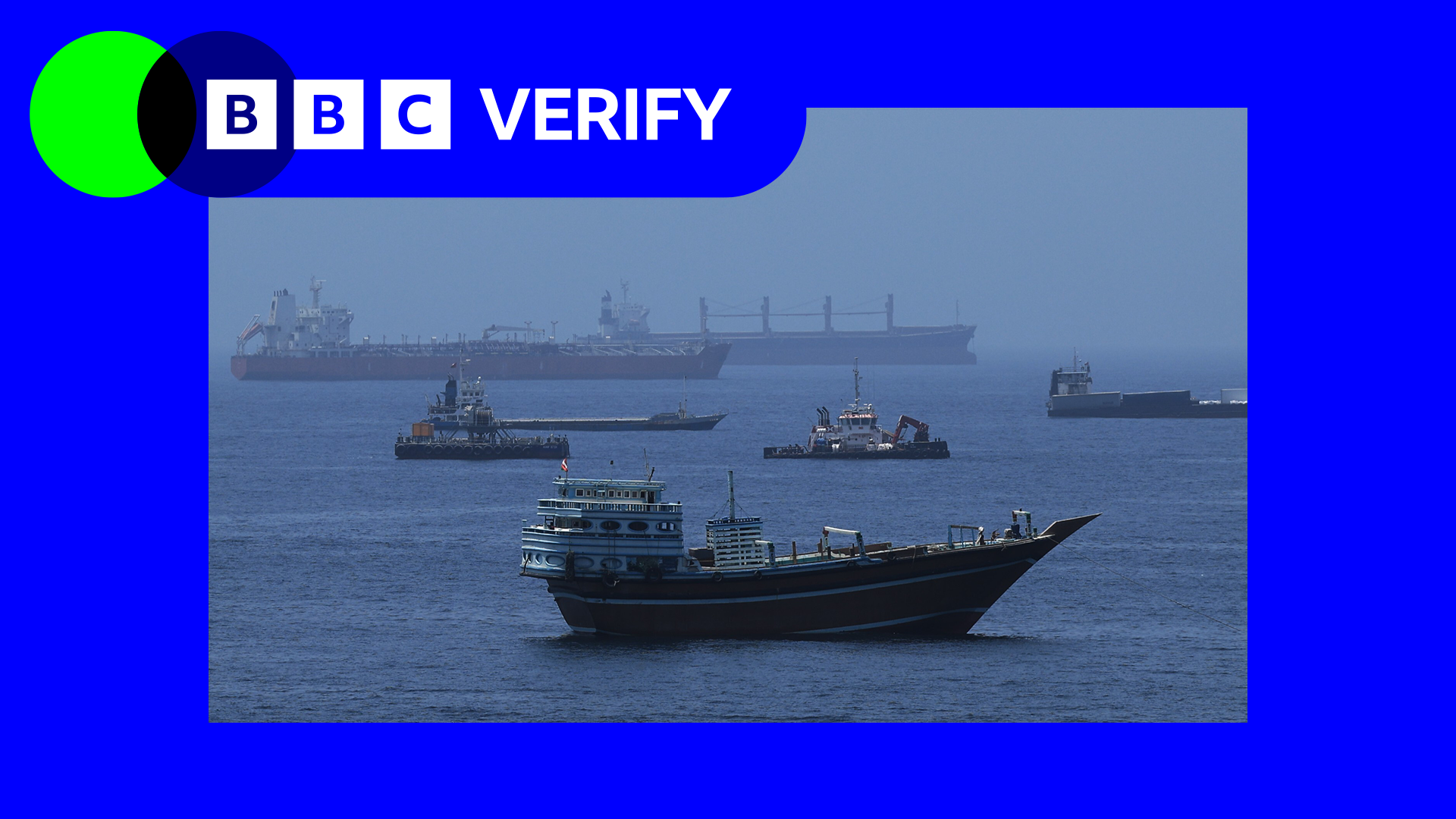
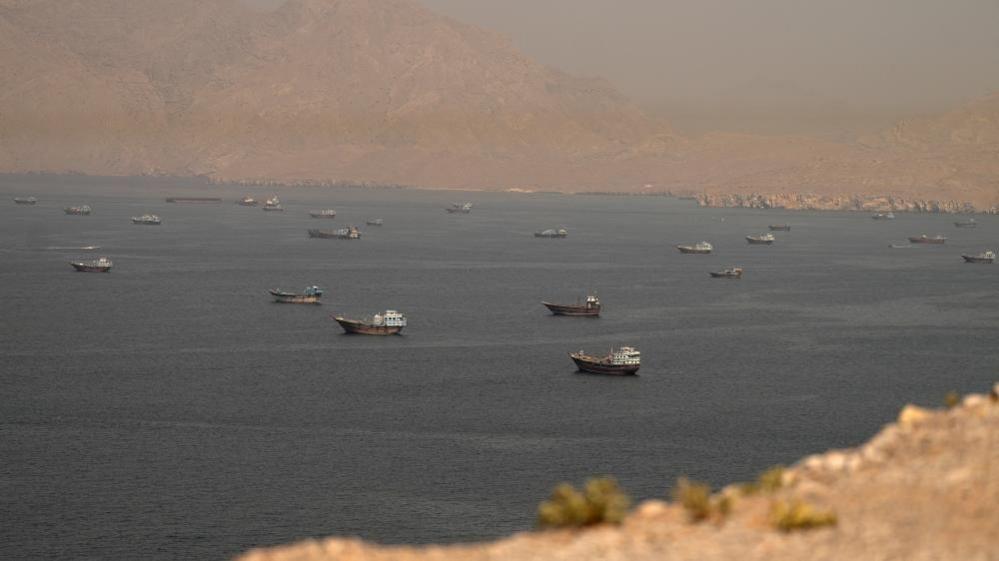
Senior US officials indicated the Strait of Hormuz would reopen on Friday, concurrent with the formal signing in Geneva. Technical talks on Iran’s nuclear programme are slated to commence this week, while any sanctions relief or asset release will hinge on Iran fulfilling its commitments under the deal.
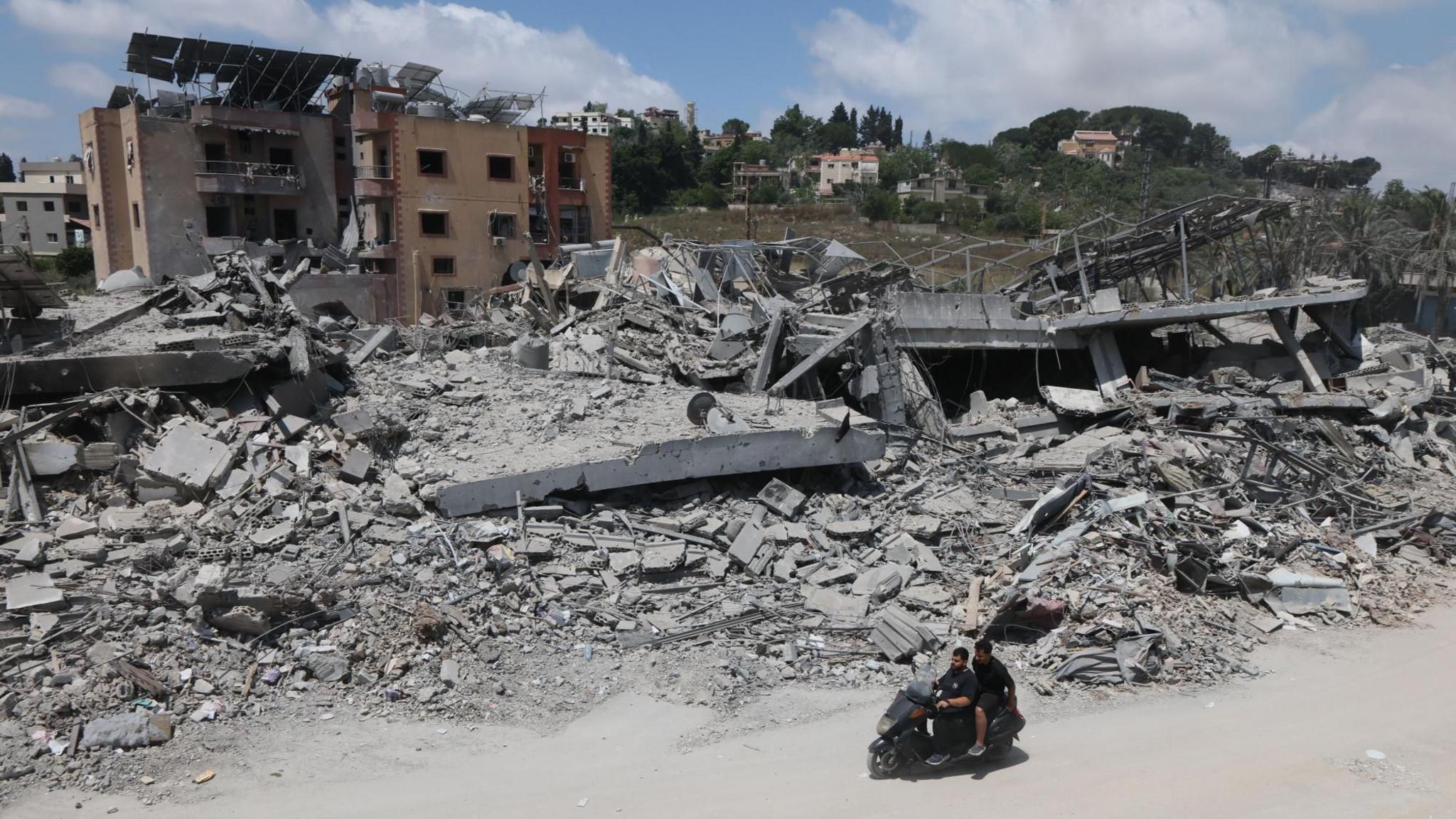
The pact extends a ceasefire for another 60 days, providing a window for finalising details. It includes the immediate and permanent cessation of military operations on all fronts, including Lebanon, although Israeli forces will retain a right to self‑defence in designated security zones.
Israeli Prime Minister Benjamin Netanyahu stated that Israeli forces would remain in security zones in Lebanon, Syria and Gaza “as long as necessary.” He also affirmed that Iran would not acquire nuclear weapons under any circumstances.
Reactions across the international community varied. Pakistan’s Prime Minister Shehbaz Sharif highlighted the break‑through, citing the termination of military operations. Meanwhile, the United Kingdom’s Prime Minister Keir Starmer described the agreement as a “hugely important step” for regional stability.
Iran’s Deputy Foreign Minister Kazem Gharibabadi confirmed the cease‑fire via a state‑TV interview, framing the deal as a victory for Iran, while the foreign ministry expressed lingering mistrust towards the United States, calling the agreement a “step towards reducing tensions.”
In the meantime, Trump also announced the removal of the U.S. naval blockade of Iranian ports, claiming that “ships are starting to move, many loaded up with Oil, out of the Strait of Hormuz.”
As the world watches, the coming days will see whether the signed terms bear fruit and how the geopolitical landscape of the Middle East adapts to this significant shift.