Iran’s ‘Victory’ Deal with the US: Between Necessity and Propaganda
In a country that has fought a devastating war, seen its currency plunge, and faced relentless sanctions, Tehran now declares a memorandum of understanding with the United States as a triumph. Yet the prevailing narrative echoes a political show‑piece more than a pragmatic solution.
Reuters
Senior officials, including Parliament Speaker Mohammad Bagher Qalibaf, frame the pact as a “long step toward victory”. President Masoud Pezeshkian characterises it as “transformative”, a potential bridge between Iran and the world that could dissolve enduring tensions. Even figures not traditionally linked to the regime’s hard line endorse the agreement, suggesting broad institutional support.
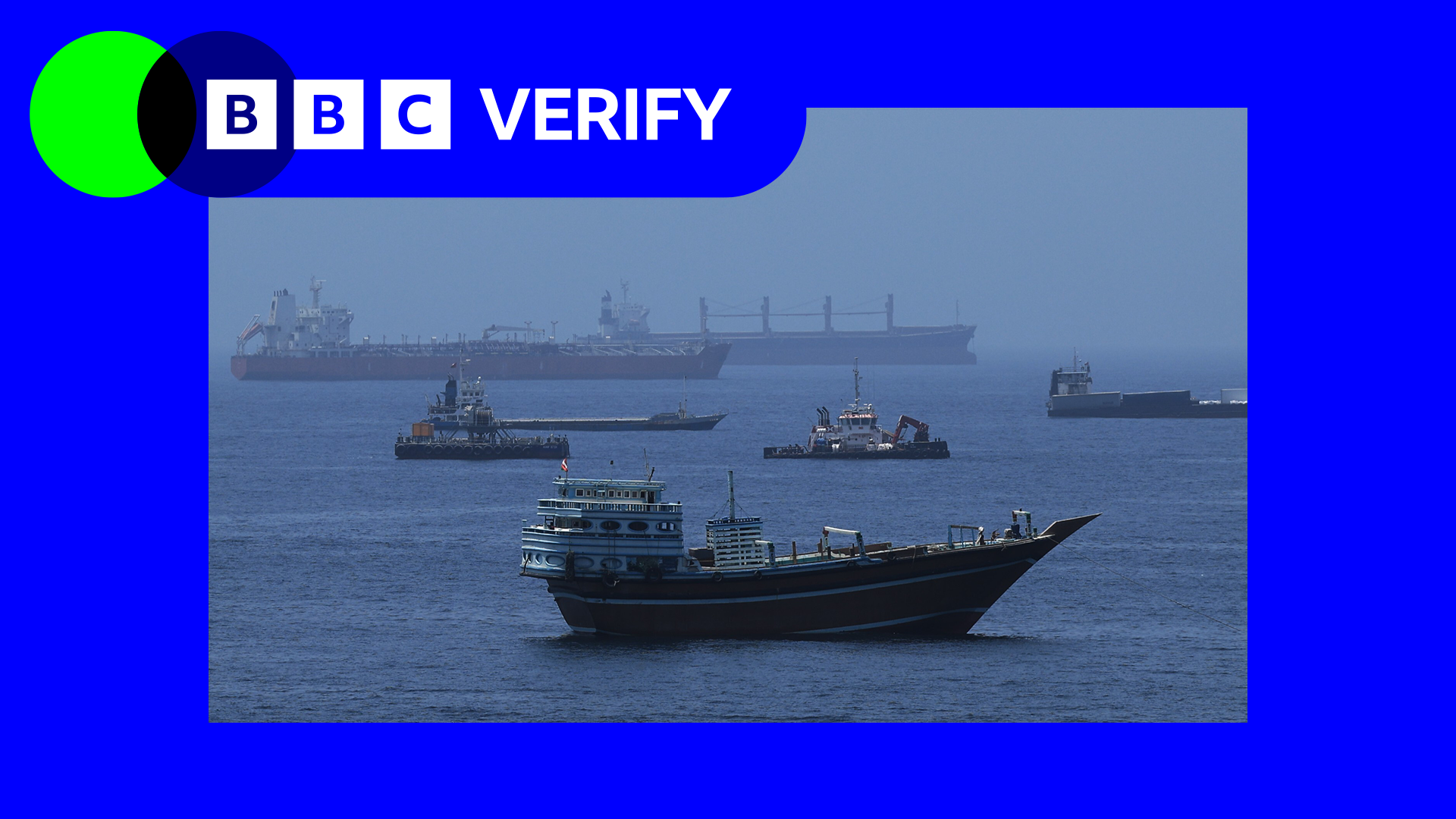
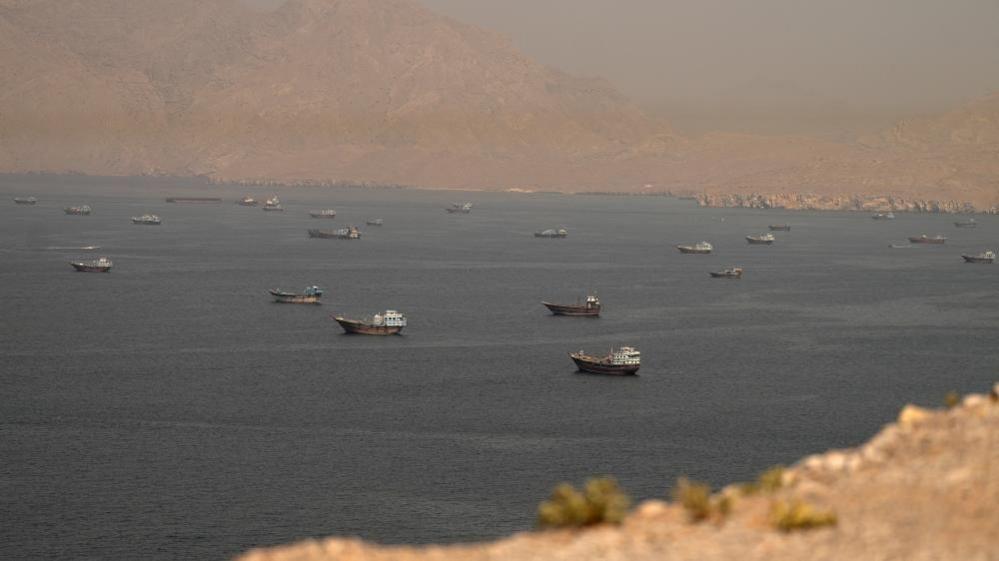
Critics, however, view the deal as a capitulation. A hard‑line parliamentarian has warned that the memorandum would render Iran an American colony and undermines the Supreme Leader’s pledge that the Strait of Hormuz remain closed to shipping. These voices stem from within the very security apparatus that should champion national sovereignty, underscoring the deep ideological rifts within the government.
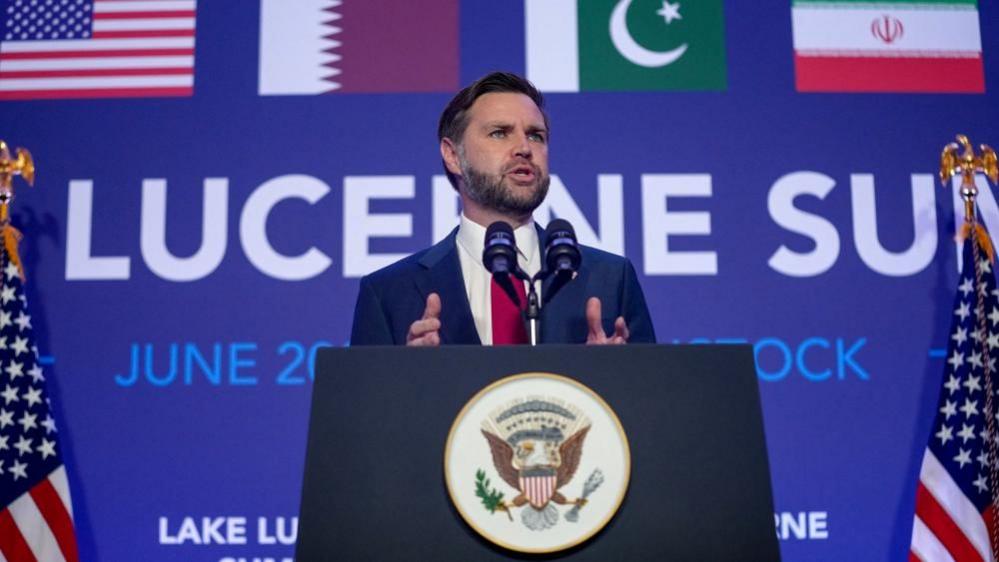
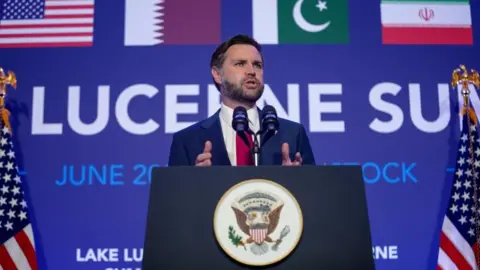
The division is not merely theoretical. The war’s aftermath—high inflation, constrained oil exports, and a crumbling treasury—forced the leadership’s hand. Whether Iran can secure billions of dollars in aid or trade is a question the public weighs against their daily survival. The U.S. has not yet signed the deal, but its Vice‑President has offered a stark conditional offer: no taxpayer money, but billions in exchange for compliance. Tehran can now pitch this as a pivot towards growth rather than dependency.
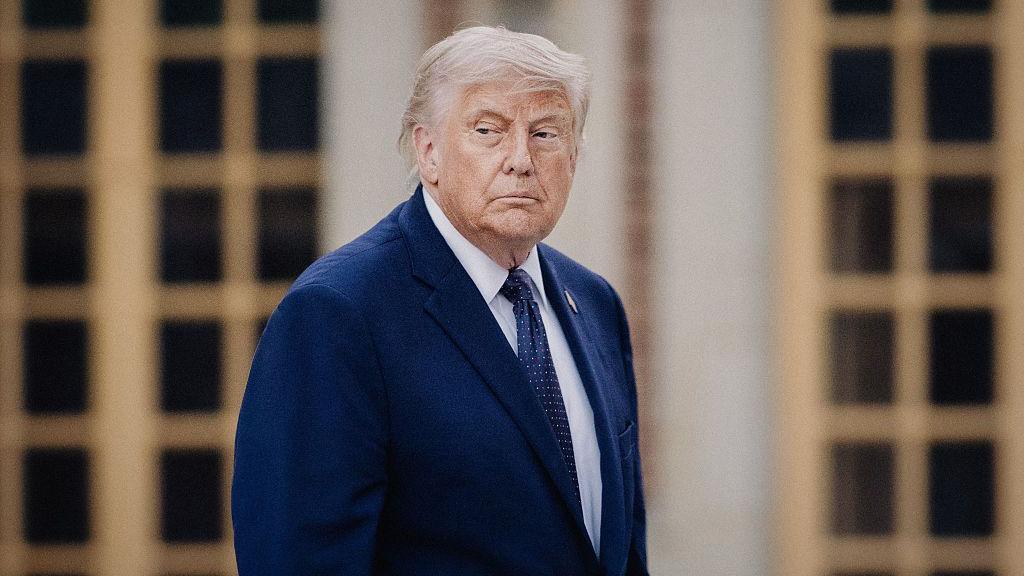
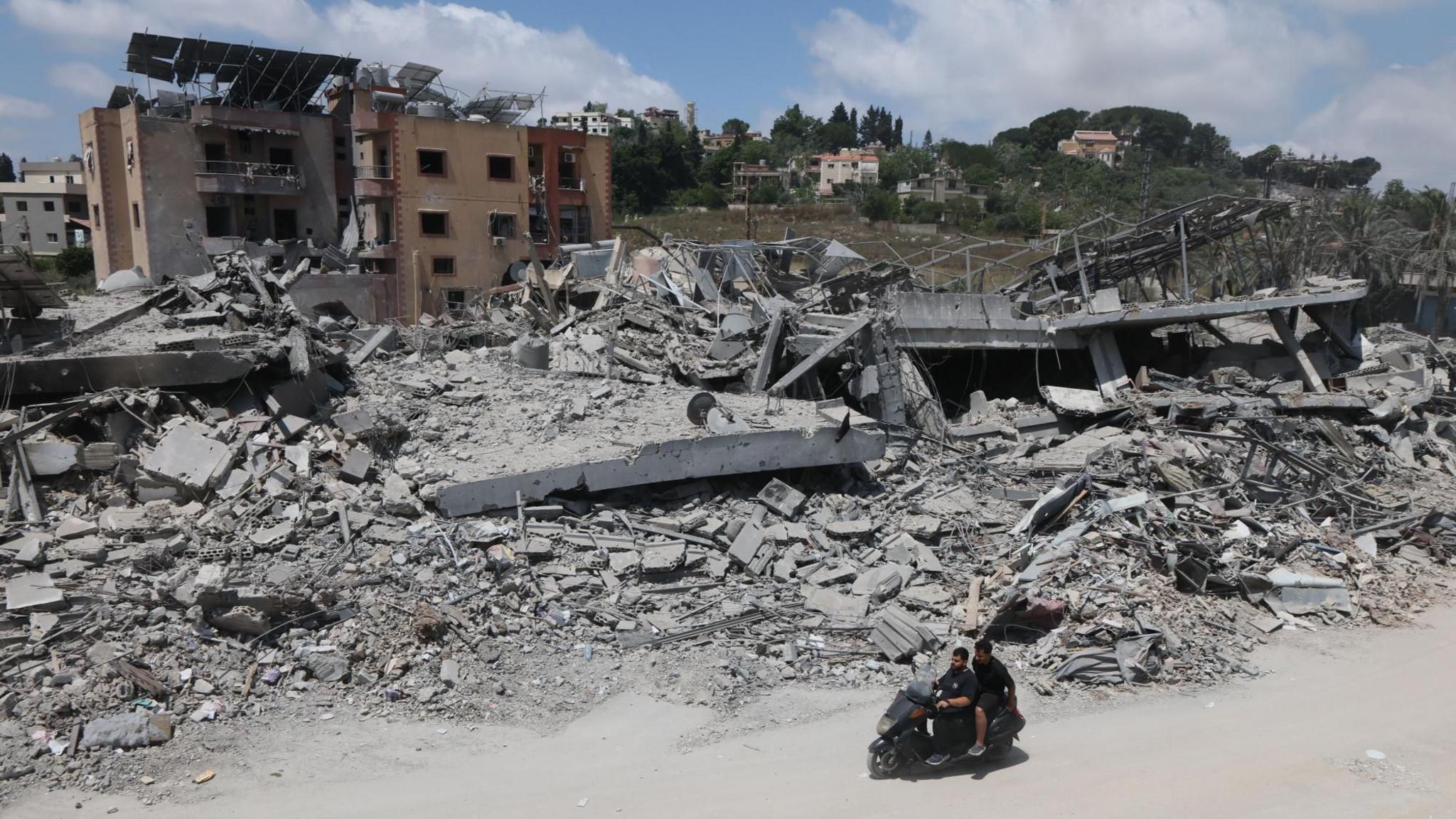
Central to the negotiations are unresolved issues: the future of Iran’s nuclear program, verification, sanctions relief, the strategic significance of the Hormuz Strait, and the status of Lebanon. Israel’s continued military presence there, announced by Prime Minister Benjamin Netanyahu, threatens to undermine the agreement’s stability. Trump’s criticism of Israel’s actions juxtaposed with his praise of the deal illustrates how U.S. internal politics color the broader negotiations.
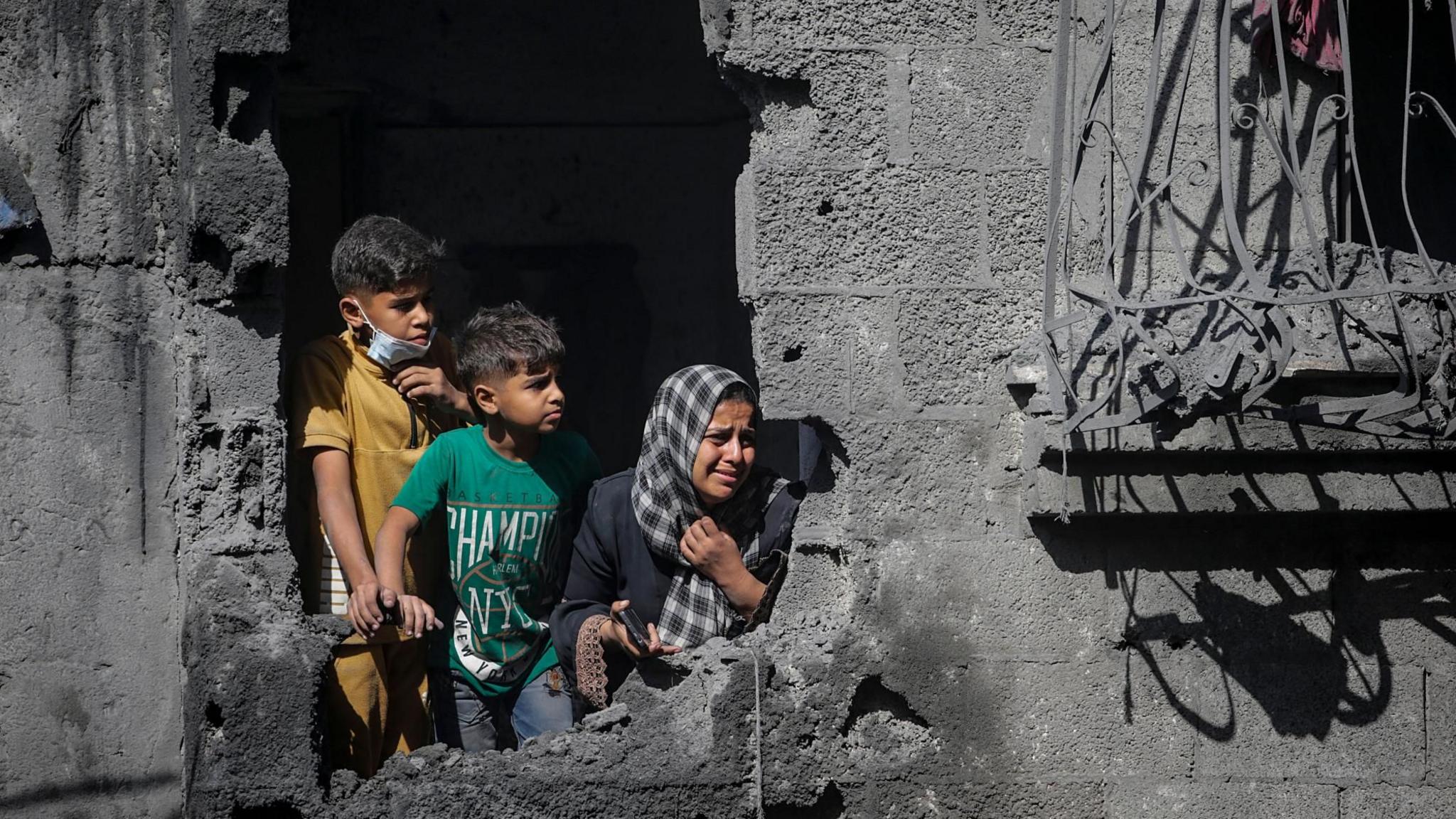
Public reaction reveals a cautious ambivalence. Some see the pact as an honest attempt to rebuild, while others demand tangible benefits—lower prices, peace, and a tangible reduction in wartime anxiety. A broadband of interviews conducted by BBC Persian highlighted a spectrum from optimism to apprehension, reflecting a populace that will ultimately judge the deal by everyday impact rather than rhetoric.
As Tehran hugs the idea of victory, the reality remains that the nation’s political fabric is still tense, the economy fragile, and the war’s shadow looming. The success of this agreement hinges not just on diplomatic wording but on whether it can deliver tangible relief and, most importantly, a lasting cessation of violence.