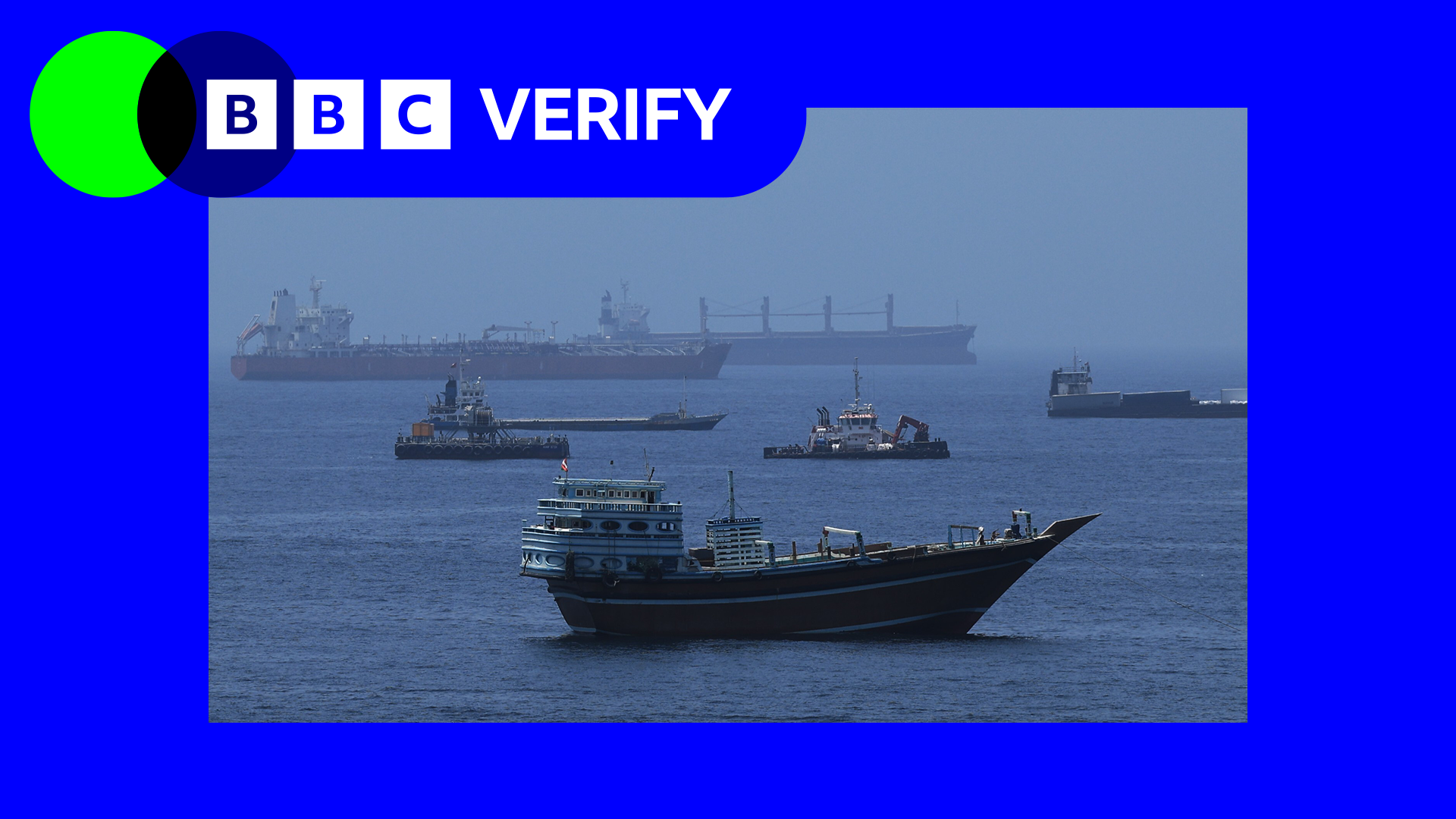
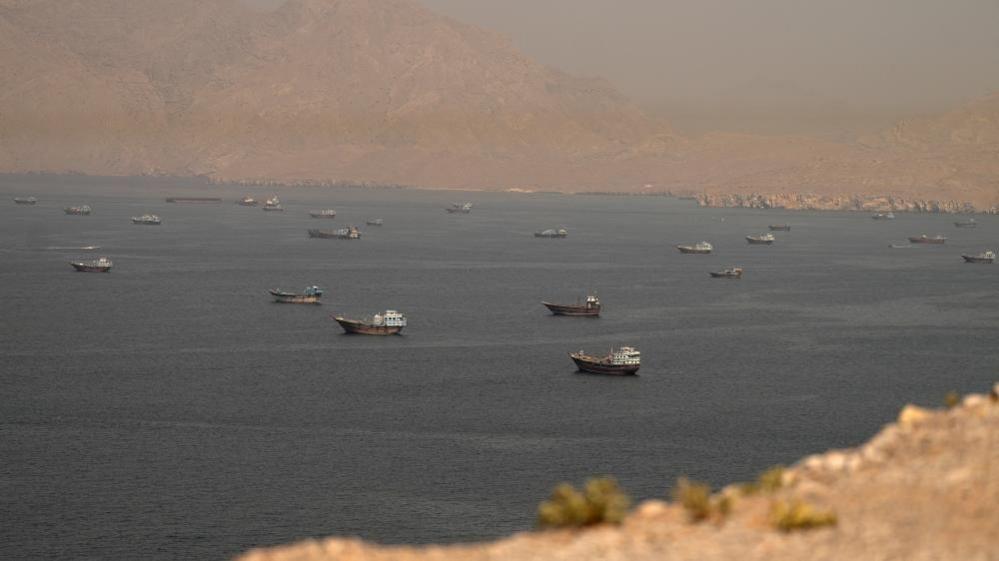
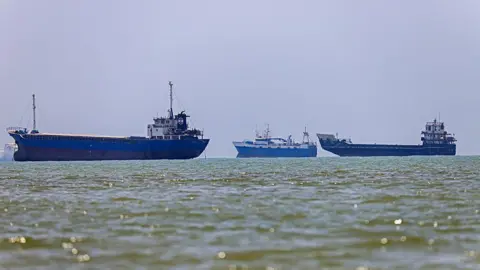
Three Iranian‑flagged crude oil tankers have been observed passing the United States’ maritime blockade line, according to shipping‑tracking data. The vessels—Diona, Hero II and Sonia I—left Iran’s Chabahar port on Tuesday and crossed the line into the Arabian Sea during the early hours of Wednesday. All carried a combined 3.8 million barrels of oil, a shipment that would be Iran’s first oil export in more than two months if their destinations are reached.
The U.S. blockade, imposed in August, runs from the eastern tip of Oman to Iran’s coast and is intended to restrict Iranian tankers that can potentially support the country’s nuclear ambitions. Although President Donald Trump announced the removal of the blockade earlier this week, U.S. naval authorities confirmed that the restriction remains in force until the pending diplomatic agreement in Switzerland is signed.
Windward Maritime Intelligence noted that the three ships are owned by the National Iranian Tanker Company (NITC), a U.S.‑sanctioned entity. Their first broadcast since March suggests a deliberate attempt to signal that the blockade may no longer be binding. Senior analyst Michelle Wiese Bockman added that the movement indicates Iran’s confidence that the U.S. blockade could be lifted, even if the U.S. claims it will stay in place until Friday.
The ships’ trajectories illustrate a wider shift. Since the U.S. announced the potential armistice, Iran‑linked vessels have become more active on the global stage, buoyed by the prospect that the sanctions throttle could ease. In the Strait of Malacca, two other NITC‑owned tankers—Dan and Sinopa—began broadcasting again after a months‑long silence, charting a course back toward Iran.
Meanwhile, the U.S. has highlighted that enforcement of the blockade can be carried out far from the Gulf. The Department of Defense previously boarded a sanctioned tanker, Tifani, more than ten days after it left the Gulf, demonstrating that U.S. naval forces can intercept Iranian‑linked shipping even in the Indian Ocean.
Statistically, the blockade has reduced Iran’s crude exports to a record low of 260,000 barrels per day in May—about one‑fifth of the 2025 average output. If the three ships reach export ports, it could represent a modest but noticeable uptick in Iranian oil traffic.
The move raises both strategic and diplomatic questions. From a U.S. perspective, it tests the integrity of sanction enforcement and rewards those vessels that comply with shipping protocols. From the Iranian side, it may be an attempt to reintegrate into global trade networks while shifting negotiations toward a tangible outcome. The international maritime community will watch these developments closely as the diplomatic talks in Switzerland approach a conclusion.