Alex Eala’s Wimbledon run sparks surge in Filipino tennis fandom
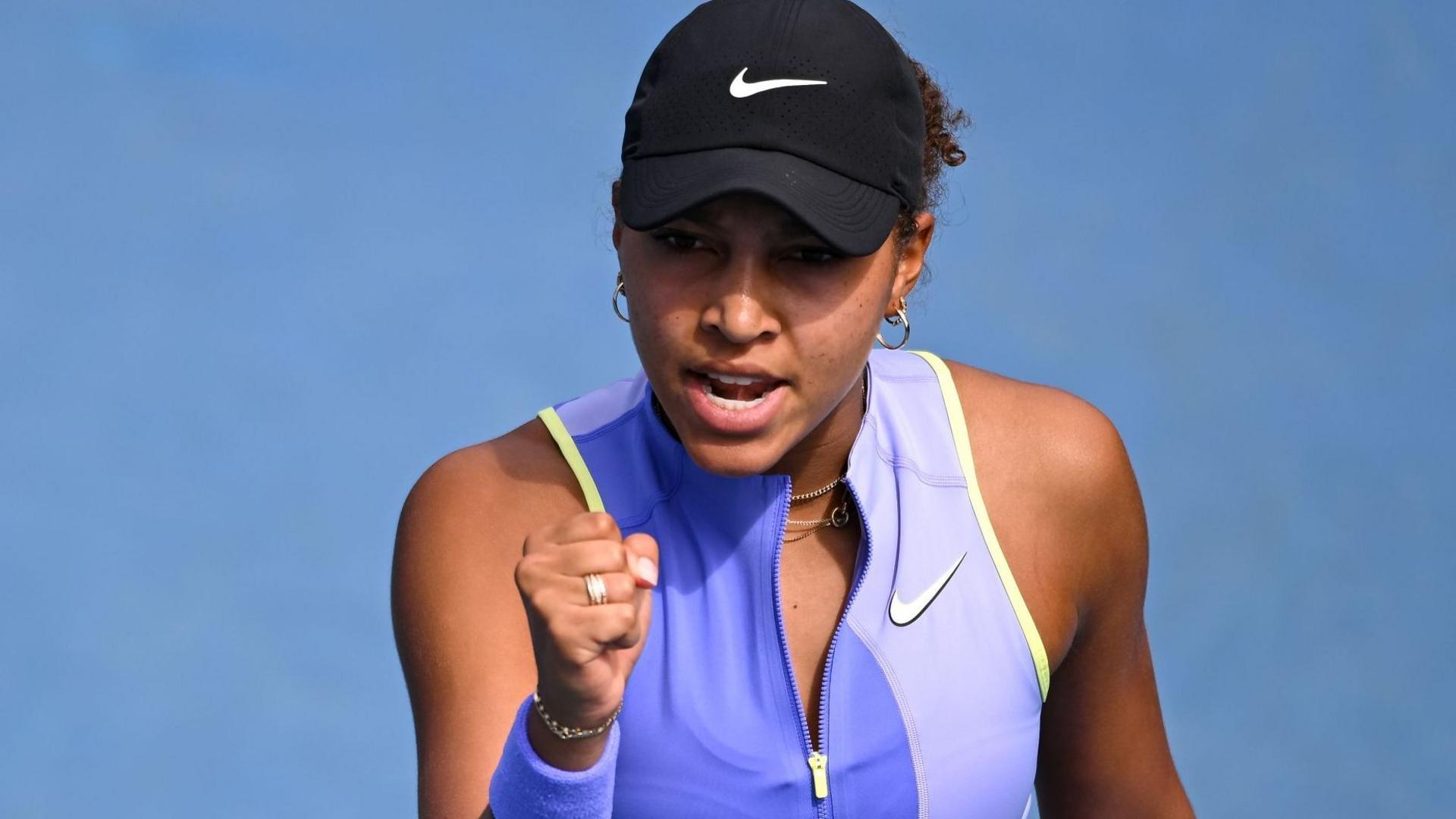
The Philippines’ youngest tennis star, 21‑year‑old Alex Eala, made history when her run to the fourth round of London’s Wimbledon tournament cost the defending champion Iga Swiatek a place in the event. The victory, seen by millions on streaming services, was described by Manila’s president as the country’s celebration of a national hero.
Eala’s performance has rip‑pled through communities that rarely watch tennis. Young players such as 14‑year‑old Maristella Torrecampo from Iriga city and 11‑year‑old Luca Ong travellers from rural villages are now dreaming of the sport, saying she provides a tangible model for success. Accounts from coaches across Manila echo a shared enthusiasm: “Eala’s wins have energized my hobby,” said accountant Celso Mugot, who started training only months after seeing her games.
The surge in interest has unearthed challenges that face many aspiring athletes. Court rentals in the capital can cost ₱2,000 (about $32) per hour, a figure comparable to half the daily minimum wage, while equipment is often priced beyond the reach of the average Filipino household. Legendary coach Jovy Barce recalls beginning with a ball‑boy job at the age of six, using a borrowed racket and self‑teaching – a record that has made him a symbol of resilience for under‑privileged players.
Housing constraints also limit the spread of tennis infrastructure. Urban planner Felino Palafox highlighted Manila’s dense population, suggesting that every barangay ought to have its own court rather than only the ubiquitous basketball courts. “We are fighting for space for activities,” Palafox said, pointing to the limited access that curtails sports diversification.
Despite the obstacles, the enthusiastic response to Eala’s story shows potential for a broader tennis culture. After announcing her participation in the U.S. Open, she extended gratitude to Filipino fans, saying, “Never have I felt prouder to represent home.” Her supporters, from professional athletes to everyday citizens, view her ascent as a lesson that talent, perseverance, and national pride can coexist with socioeconomic barriers.
Looking forward, the Philippines’ emerging tennis scene will have to balance the excitement around a rising star with pragmatic solutions that encourage accessibility, broadening the talent pool beyond those with elite backgrounds.