In brief
A German prosecutor team has finally identified the suspect behind a deadly arson that targeted a Munich Jewish retirement home in 1970, killing seven survivors. The suspect, named Bernd V, was 25 at the time of the fire and later died in 2020. Evidence from a former associate, combined with testimony about his antisemitic actions, has allowed prosecutors to close the case after a closure in 2017 and reopening last year. While the presumption of innocence remains, authorities found no evidence of accomplices. The case is now the latest stark reminder of Germany’s antisemitic past and police shortcomings.
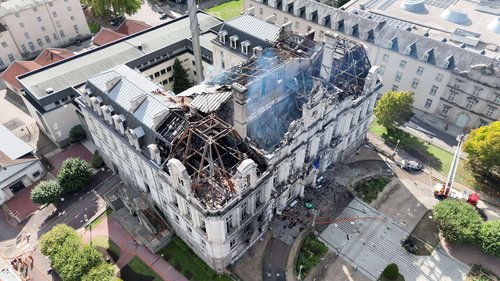
German investigators have, for the first time, pinpointed the suspect in a 1970 arson that destroyed a Jewish retirement home in Munich, killing seven Holocaust survivors and injuring fifteen others.
The case had remained unsolved for half a century; prosecutors now say the perpetrator was 25‑year‑old Bernd V, a lone neo‑Nazi with documented antisemitic views.
According to evidence supplied by a woman who knew the suspect, Bernd V poured petrol into the wooden stairwell at Reichenbachstraße, set the building alight, and publicly shouted that "the Jews had everything" before doing so.
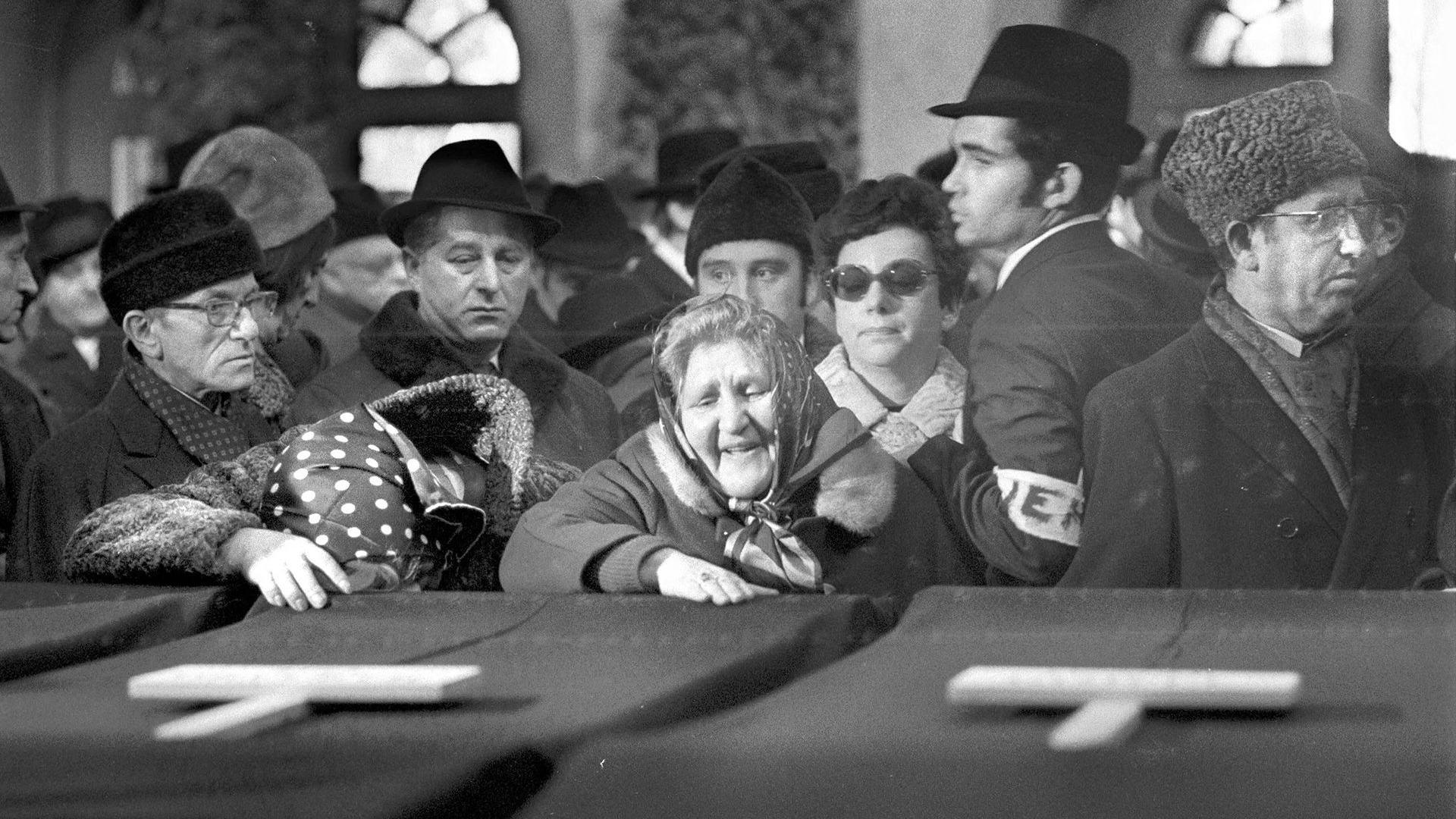
Seven survivors, aged 59‑71, died in the blaze, while many were rescued or evacuated. The suspect died of unrelated illness in 2020.
Despite the investigation’s closure in 2017, the case reopened last year after fresh testimony from a former gang member linked to Bernd V, and prosecutors say they have now "compelling grounds" for attribution.
Authorities note that the presumption of innocence remains absolute even after the suspect’s death, and they have found no evidence of accomplices.
Berlin prosecutors now consider the case closed, yet it remains a dark reminder of Germany’s antisemitic violence and a historic police failure.