Austria Opens Police Station at Hitler’s Birthplace to Erase Nazi Symbolism
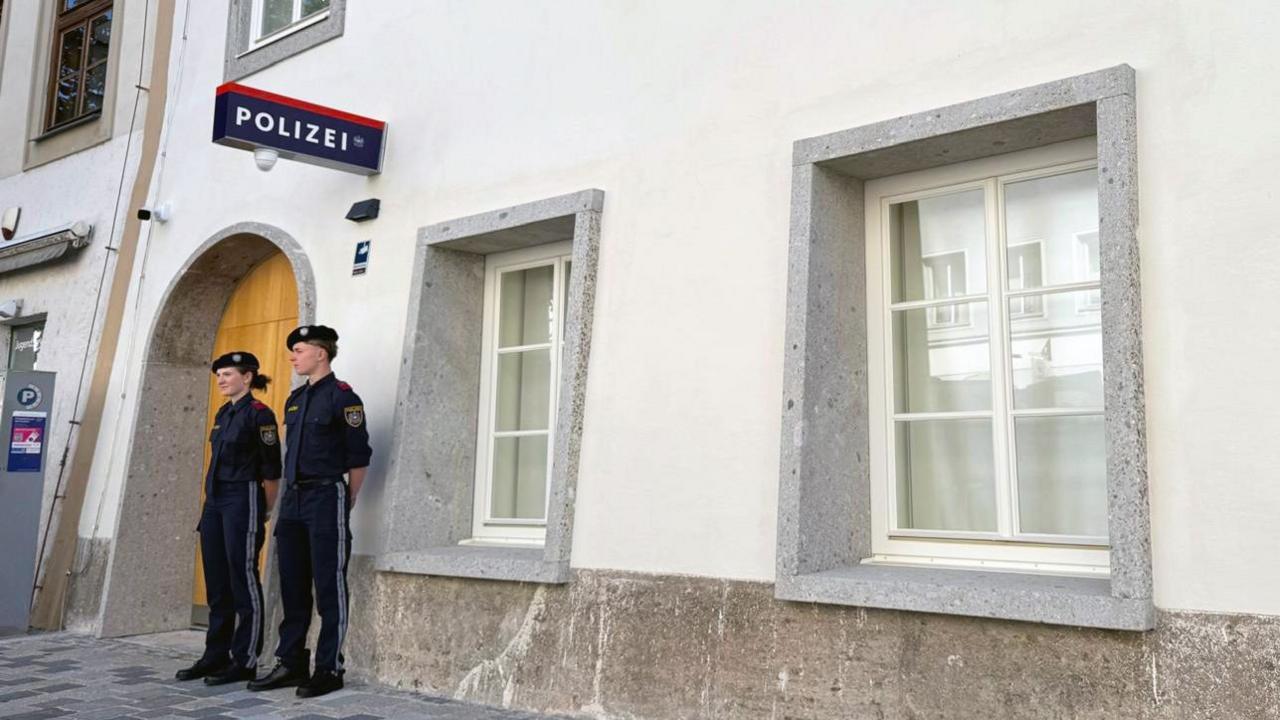
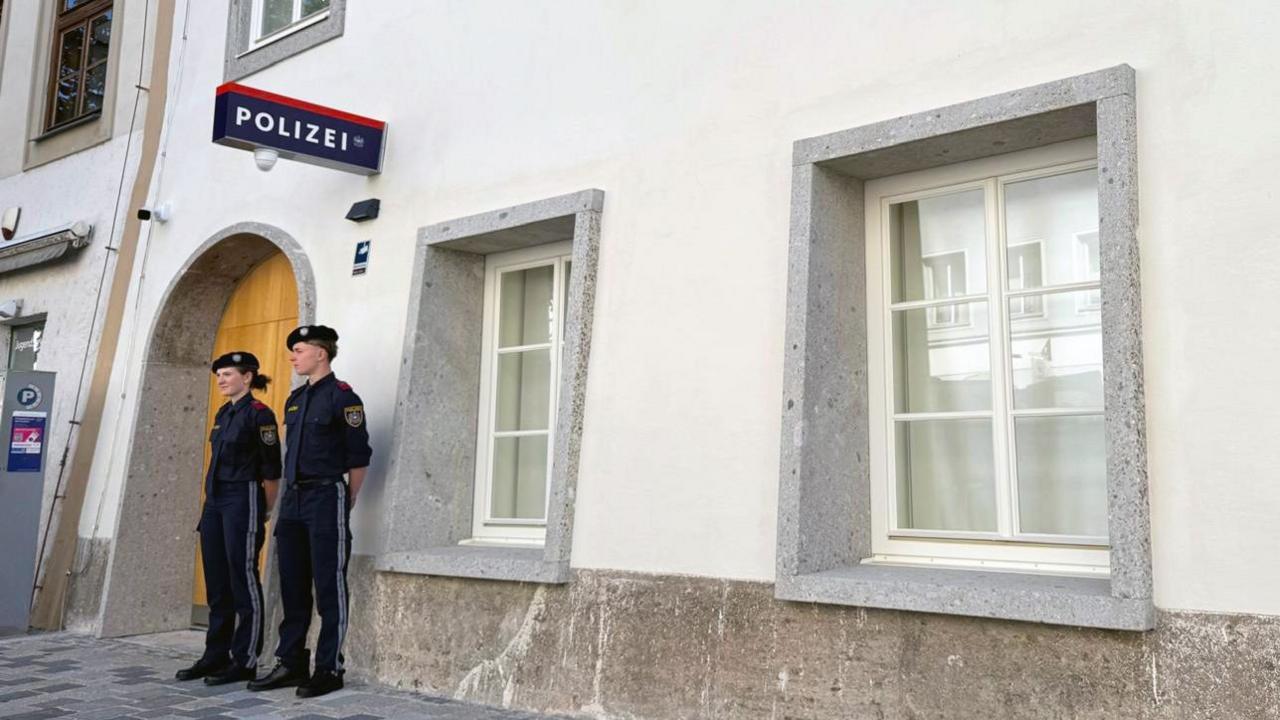
Austria has opened a police station in the house where Adolf Hitler was born, in Braunau am Inn. The new facility marks a controversial decision to repurpose a 17th‑century former inn, a site that has long been debated by authorities and local residents.
The building, originally a yellow‑plastered townhouse, has been substantially refurbished and its façade altered to remove overt references to its infamous past. It has, for years, been a point of contention because the authorities feared it would become a pilgrimage site for neo‑Nazis.
Hitler lived at 15 Salzburger Vorstadt only a few weeks before his family moved away when he was three and never returned to that address again. He did, however, pass through Braunau in 1938 on the way to Vienna after Austria’s annexation.
For decades the interior ministry rented the house from a local woman, Gerlinde Pommer, paying her generous rent. In a bid to prevent the building becoming a neo‑right‑wing shrine the rent was meant to deter extremist tourism.
Pommer illuminated the conflict by refusing to sell the property to the government and later blocking renovations in 2011. The house remained empty while authorities, backed by a 2016 parliamentary law allowing the seizure of the property, argued over terms of compensation.
The government paid Pommer €812,000, a figure she contested in court as too low. After losing her case the property was transferred to state control.
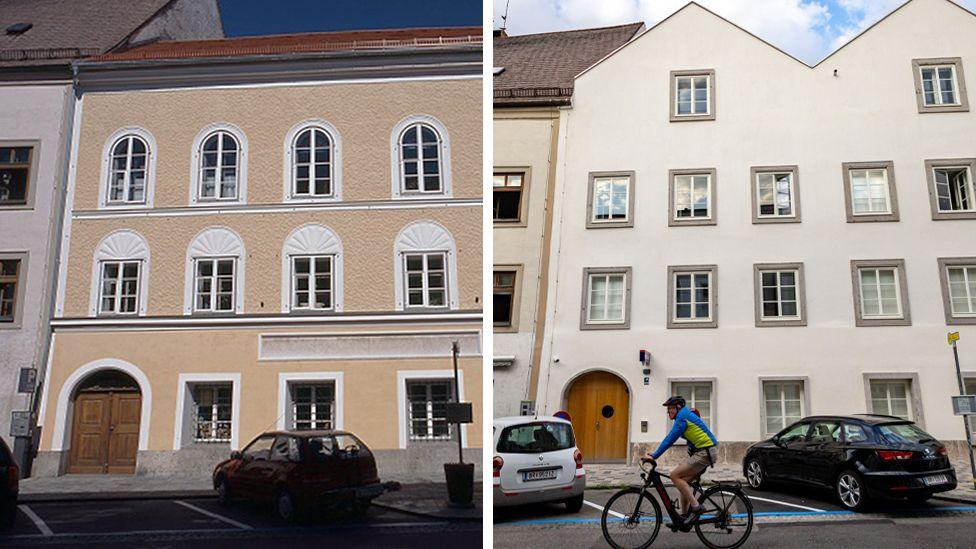
The interior ministry’s proposal to demolish the building was heard in 2019, but it was widely criticized for seeming to deny Austria’s Nazi past. In June of that year the government announced plans to turn the site into a police station and launched an EU‑wide competition for architects.
The German‑symbolised police signage and security cameras signal a shift towards a utilitarian, law‑enforcement function, rather than a memorial. Critics say the decision gives the wrong message about confronting history, while some former charity groups that previously used the building voiced concerns over being used as a ‘filigree’ for political debate.
A memorial stone outside the building, erected in 1989 by the former Mauthausen camp, reads: "For peace, freedom and democracy – never again fascism – millions of dead warn us…" The stone links the location to Nazi atrocities without explicitly naming Hitler.
Local historian Florian Kotanko stresses that the site’s past cannot be erased: "You have to deal with it. It’s not about pride, but about confronting the fact that it happened here," he tells reporters. The police station’s opening marks a new chapter in that ongoing debate.