
In brief
In a landmark case, Egisto Ott, a 63-year-old ex-intelligence officer, has been found guilty of espionage activities for Russia. He was sentenced to over four years in prison after a jury determined he provided sensitive information to Russian officials and Jan Marsalek, a fugitive tied to a massive financial scandal. This trial has reignited fears about Russian espionage in Austria as Ott's actions included accessing classified police data and misusing his office.
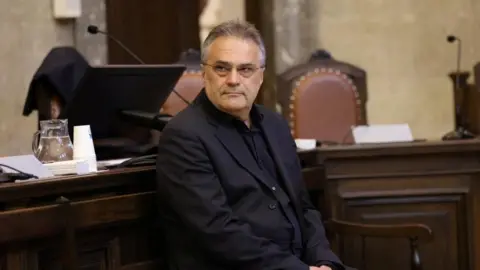
Former intelligence official Egisto Ott has been found guilty of spying for Russia, in what has been dubbed Austria's biggest spy trial in years.
A jury in Vienna found Ott, 63, guilty of having handed over information to Russian intelligence officers and to Jan Marsalek, the fugitive executive of collapsed German payments firm Wirecard.
Ott, who denies the charges, was sentenced to four years and one month in prison. His lawyer has appealed against the verdict.
The spy scandal has revived fears that Austria remains a hotbed of Russian espionage activity.
In addition to spying, Ott was found guilty of misuse of office, bribery, aggravated fraud, and breach of trust.
The court heard how he had supported a secret intelligence service of the Russian Federation to the detriment of the Republic of Austria by collecting secret facts and a large amount of personal data from police databases from 2015 to 2020.
Prosecutors said Ott gave this information to Marsalek and unknown representatives of the Russian intelligence service, receiving payment in return.
Marsalek, who is also an Austrian citizen, is wanted by German police for alleged fraud and is currently believed to be in Moscow, having fled via Austria in 2020.
Alleged to be a Russian intelligence asset, Marsalek is under an Interpol Red Notice and could be arrested if found in any member country.
Prosecutors revealed that Marsalek commissioned Ott to acquire a laptop containing secret electronic security hardware used by EU states for secure electronic communication, which he handed over to Russian intelligence.
Ott was also found guilty of passing phone data from senior Austrian interior ministry officials to Russia after obtaining their work phones from an accidental drop into the Danube during a ministry boating trip.
According to the prosecution, Ott was not romantic about Russia but acted out of financial motives and frustration with his job.
When Ott was arrested in 2024, Austria's then Chancellor, Karl Nehammer, described the case as a threat to democracy and our country's national security.