The US-Cuba relationship has plunged into a new phase of tension as President Donald Trump's administration intensifies pressure on Havana with a multi-pronged approach. Sanctions, an oil blockade, and an unprecedented murder indictment against former Cuban leader Raúl Castro have created a volatile situation, with both sides accusing each other of aggression while civilian impacts escalate.
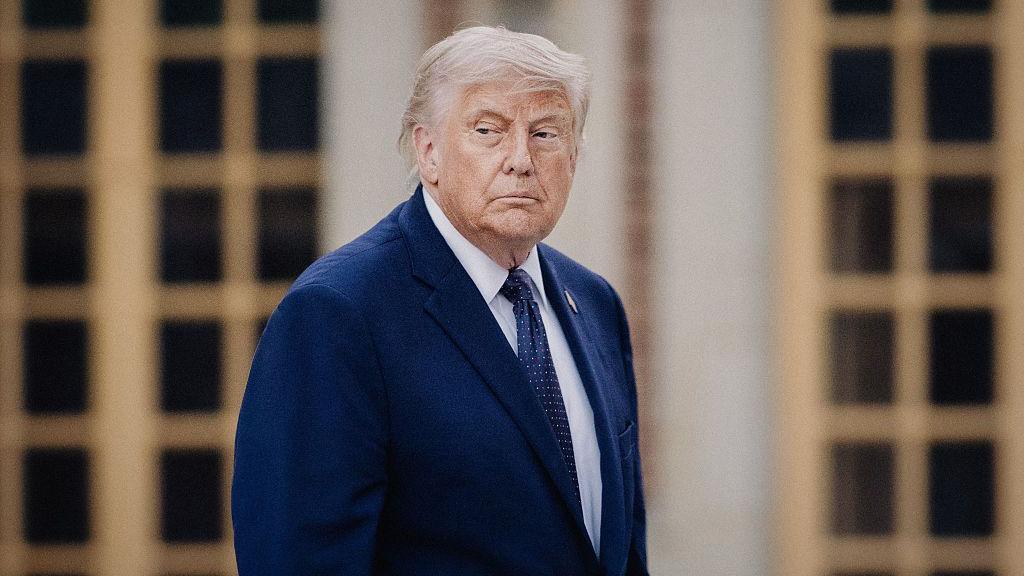
**US Perspective:** The US government maintains Cuba poses an existential threat to national security, citing the 1996 downing of two civilian aircraft operated by Miami-based exiles. Secretary of State Marco Rubio accused Cuba of operating a 'state within a state' controlled by the military conglomerate GAESA, alleging corruption and obstruction of reforms. President Trump has repeatedly warned of a 'friendly takeover' and described Cuba as 'ready to fall,' while military aircraft near Cuban airspace have drawn attention to heightened surveillance. The indictment of Raúl Castro and five others for conspiracy to kill US citizens, murder, and destruction of aircraft marks the most significant legal action against a former head of state since the Cold War.
**Cuban Perspective:** Cuban officials vehemently reject the charges as a 'fraudulent case' designed to justify military aggression. Foreign Minister Bruno Rodríguez denounced the US blockade as 'collective punishment' that has caused severe humanitarian crises, including chronic fuel shortages triggering blackouts and hospital closures. Protesters in Havana have taken to the streets with burning rubbish, chanting anti-government slogans as citizens grapple with food and medicine shortages. Rodríguez insisted Cuba 'neither threatens nor desires war,' while noting the country is 'preparing for external aggression.'
**Humanitarian Impact:** The economic siege has led to profound societal strain. With Venezuela and Mexico halting oil shipments since January, Cuba's economy is paralyzed by fuel deficits. Hospital functions have declined, schools and government offices regularly close, and protests reflect growing public discontent. Despite $100 million in US-conditional humanitarian aid, Havana rejects direct assistance, insisting 'the best help' would be ending the blockade.
**International Reactions:** China and Russia have publicly condemned US actions, with China calling the pressure 'coercion' and Russia stating the measures 'border on violence.' The Kremlin emphasized Cuba's right to self-defense, while Chinese officials urged the US to cease 'threats.' Meanwhile, Cuba has sought support from allies like Venezuela and Mexico, though energy lifelines have been severed.
**Power Dynamics:** Analysts highlight Cuba's unique political structure where Raúl Castro's legacy remains dominant despite his retirement. While Miguel Díaz-Canel holds official leadership positions, military figures like General Manuel Marrero control key economic assets through GAESA. Rubio's targeting of this 'state within a state' reflects US concerns about Cuba's political stability, though Cuban officials stress decisions emerge from a 'collegiate' leadership structure.
**Path Forward:** The US maintains diplomatic channels through back channels while insisting peaceful agreement is 'unlikely.' Cuba demands an end to the blockade but accepts conditional humanitarian aid. With military monitoring intensifying and Cuba preparing for 'external aggression,' the situation remains precarious. As Russia and China voice support for Havana, analysts warn the standoff risks spiraling further, particularly as fuel shortages deepen public suffering and military postures harden. The international community watches closely for signs of de-escalation or an irreversible rupture in this decades-old standoff.}
**US Perspective:** The US government maintains Cuba poses an existential threat to national security, citing the 1996 downing of two civilian aircraft operated by Miami-based exiles. Secretary of State Marco Rubio accused Cuba of operating a 'state within a state' controlled by the military conglomerate GAESA, alleging corruption and obstruction of reforms. President Trump has repeatedly warned of a 'friendly takeover' and described Cuba as 'ready to fall,' while military aircraft near Cuban airspace have drawn attention to heightened surveillance. The indictment of Raúl Castro and five others for conspiracy to kill US citizens, murder, and destruction of aircraft marks the most significant legal action against a former head of state since the Cold War.
**Cuban Perspective:** Cuban officials vehemently reject the charges as a 'fraudulent case' designed to justify military aggression. Foreign Minister Bruno Rodríguez denounced the US blockade as 'collective punishment' that has caused severe humanitarian crises, including chronic fuel shortages triggering blackouts and hospital closures. Protesters in Havana have taken to the streets with burning rubbish, chanting anti-government slogans as citizens grapple with food and medicine shortages. Rodríguez insisted Cuba 'neither threatens nor desires war,' while noting the country is 'preparing for external aggression.'
**Humanitarian Impact:** The economic siege has led to profound societal strain. With Venezuela and Mexico halting oil shipments since January, Cuba's economy is paralyzed by fuel deficits. Hospital functions have declined, schools and government offices regularly close, and protests reflect growing public discontent. Despite $100 million in US-conditional humanitarian aid, Havana rejects direct assistance, insisting 'the best help' would be ending the blockade.
**International Reactions:** China and Russia have publicly condemned US actions, with China calling the pressure 'coercion' and Russia stating the measures 'border on violence.' The Kremlin emphasized Cuba's right to self-defense, while Chinese officials urged the US to cease 'threats.' Meanwhile, Cuba has sought support from allies like Venezuela and Mexico, though energy lifelines have been severed.
**Power Dynamics:** Analysts highlight Cuba's unique political structure where Raúl Castro's legacy remains dominant despite his retirement. While Miguel Díaz-Canel holds official leadership positions, military figures like General Manuel Marrero control key economic assets through GAESA. Rubio's targeting of this 'state within a state' reflects US concerns about Cuba's political stability, though Cuban officials stress decisions emerge from a 'collegiate' leadership structure.
**Path Forward:** The US maintains diplomatic channels through back channels while insisting peaceful agreement is 'unlikely.' Cuba demands an end to the blockade but accepts conditional humanitarian aid. With military monitoring intensifying and Cuba preparing for 'external aggression,' the situation remains precarious. As Russia and China voice support for Havana, analysts warn the standoff risks spiraling further, particularly as fuel shortages deepen public suffering and military postures harden. The international community watches closely for signs of de-escalation or an irreversible rupture in this decades-old standoff.}