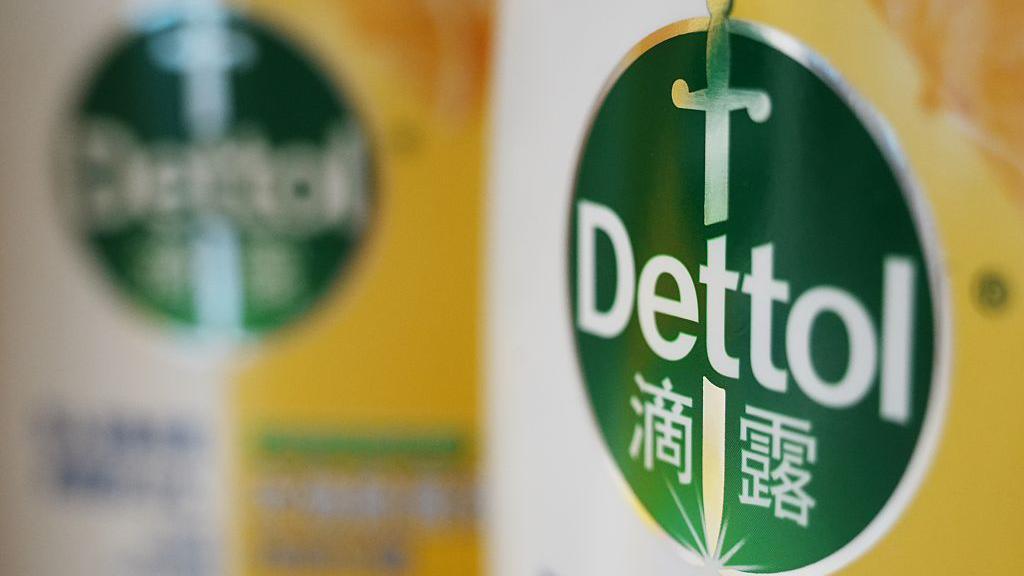
British hygiene brand Dettol has issued an apology after a new advertising campaign produced for the Chinese market sparked backlash over its portrayal of women and men. The five‑minute “micro‑drama” – a style of short, scripted online drama popular on Chinese social platforms – featured a male lead searching for a partner who is “clean” and “not tainted by other men.” The twist came when the female character confronts him for his misogyny and ends their relationship, followed by the tagline that Dettol can “disinfect toxic men” like bacteria.
The ad was removed after comments erupted on Weibo and other Chinese social media sites. Users accused the content of objectifying women and supporting homogenous gender stereotypes, with some demanding a boycott of the Reckitt‑owned brand. In response, Dettol lifted the video and released a statement: “We recognise that it has offended many people, especially women. We take responsibility for negligence in creating and reviewing the content.” The company also pledged to review its content‑moderation procedures.
Dettol’s campaign comes on the heels of previous marketing missteps in China, most notably a 2023 advert that implied a bride was “returned” due to not being clean. Such incidents have hurt the brand’s reputation in a market where product effectiveness and cultural resonance are critical. Experts note that while the ad’s intention was to criticize gender stereotypes, the delivery backfired, highlighting the delicate balance global brands must maintain between advocacy and perception.
As the Chinese public continues to debate the ad’s message, Dettol’s leadership faces pressure to rebuild trust and clarify their corporate values. The incident underscores the wider challenges for multinational companies operating in culturally diverse markets, where a single content choice can trigger widespread backlash.