Apple to raise prices as AI boom pushes up chip costs
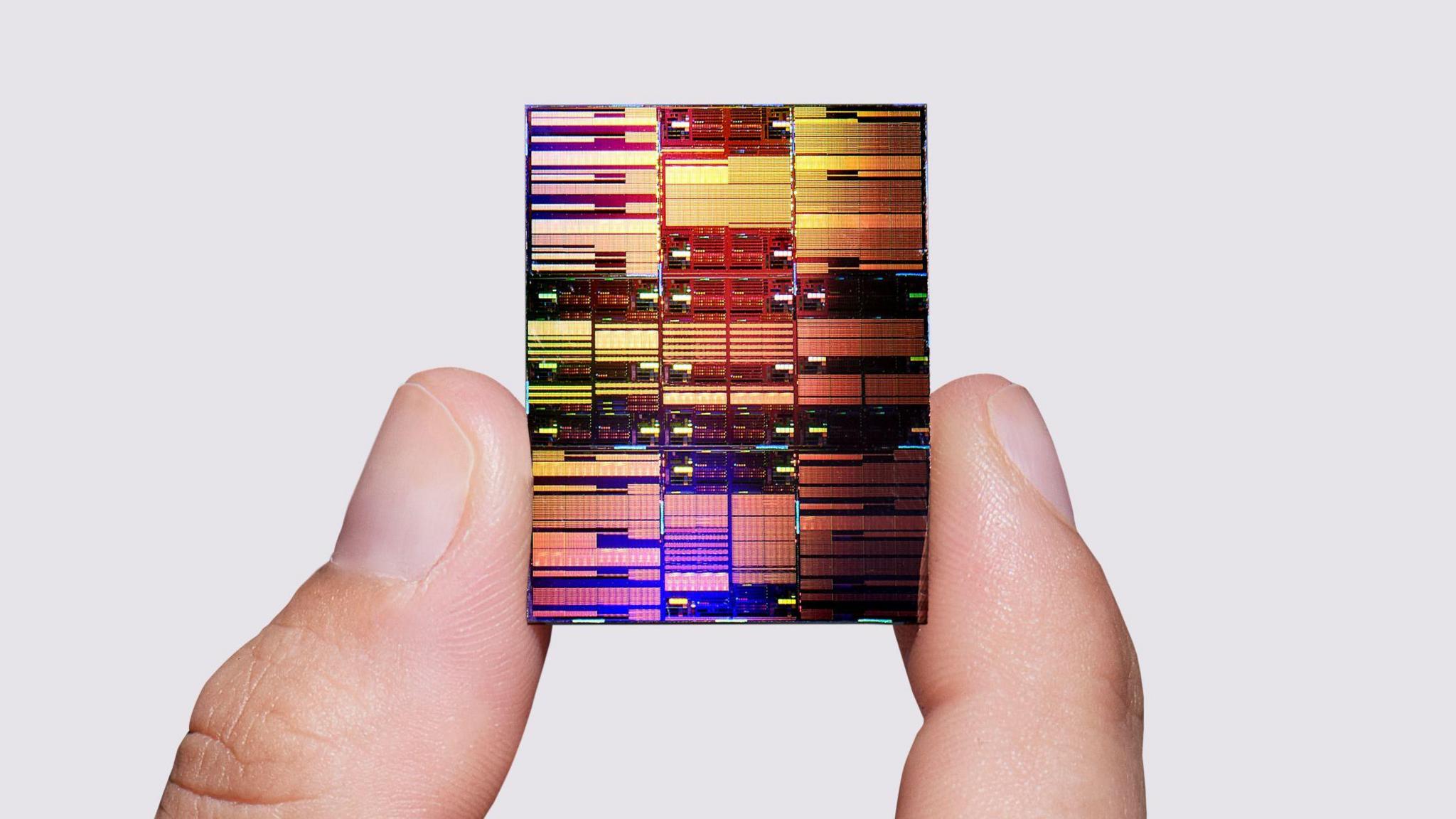
Apple is set to hike prices on its product line because the company’s key memory chips have become more expensive, said its outgoing chief executive Tim Cook in a conversation with the Wall Street Journal. Cook said the price increases are “unavoidable” as the memory chip market has become “unsustainable”. He added that the situation exists where consumers demand devices but supply is limited, leading chip vendors to pass costs to Apple. The timing of the hikes and the impact on the forthcoming iPhone 18 remain unclear.
Memory chips are a core component of mobile devices, and the rise in AI workloads has pushed demand and prices upward since October 2025, when the price of RAM more than doubled. Cook added that the company is “doing our best to mitigate” these increases, but the net effect on costs cannot be ignored. “We definitely need memory pricing and supply to return to reasonable levels for consumer products,” he added.
The broader semiconductor sector has felt pressure. Taiwan Semiconductor Manufacturing Company (TSMC) said it could raise prices to cover inflationary costs, and Samsung warned that memory shortages will make devices pricier. Sony has already raised PlayStation 5 prices by 90 pounds (£) in the UK and $100 in the U.S. Nintendo announced a price lift for the Switch 2 to take effect next month. Apple’s own iPhone 17 saw strong demand, and sales in China were a key driver for the 17 % growth in the first quarter of 2026.
Omdia forecasts a 20 % rise in the global smartphone retail price in 2026, reaching an all‑time high. Apple’s new phones may cost as much as $150 more than the iPhone 17, as the company is expected to upgrade specifications to support AI features. This will likely continue across the industry; many brands already raise prices or trim features to protect margins amid the rising costs.