Trump Claims Near‑Finalized Deal with Iran, while Tehran Disputes
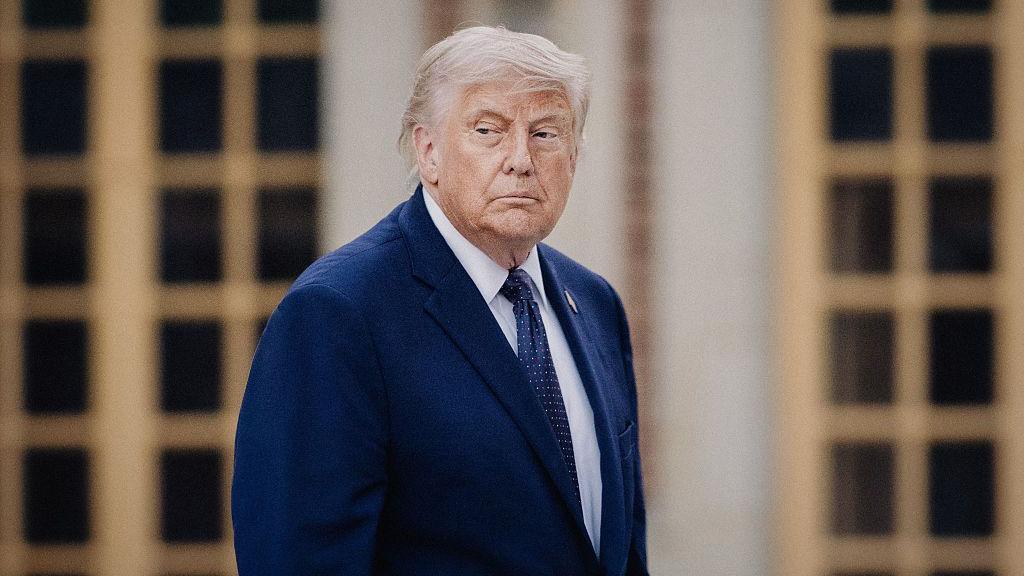
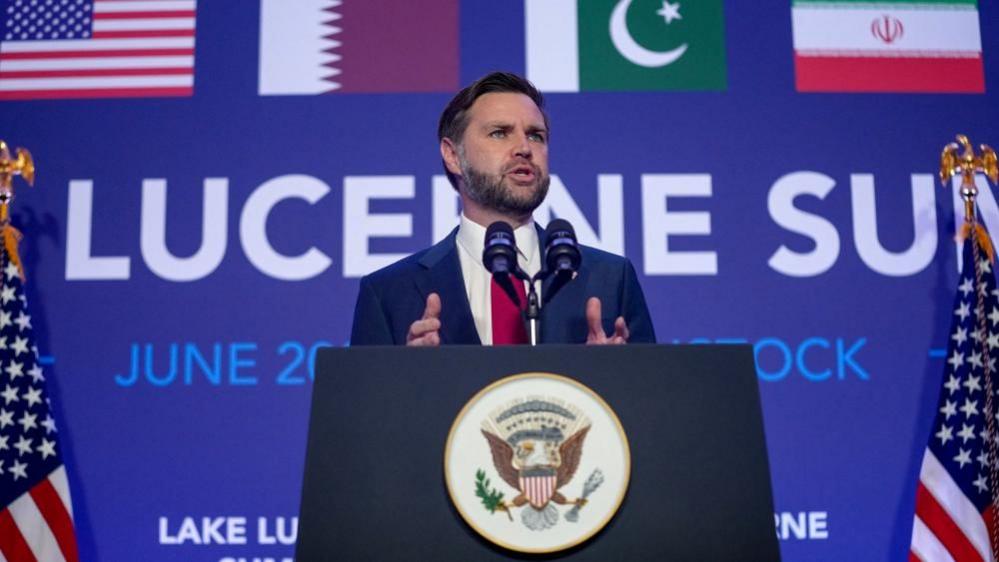
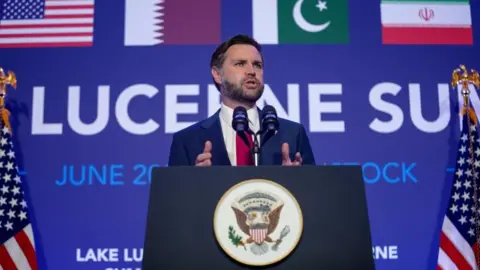
In a statement from the Oval Office, President Donald Trump declared that a “great settlement” to end the war with Iran was close to being signed, citing recent diplomatic touches and a likely European signing venue. The remarks followed a pause of US‑driven air strikes on Iran that had escalated the conflict earlier this month.
Iran’s foreign ministry spokesperson Esmail Baghaei countered the president’s assertion, labeling the reports “speculative” and asserting that “nothing has been finalised.” Baghaei also highlighted that the U.S. had made what he described as “excessive demands” and introduced new requests to the memorandum of understanding.
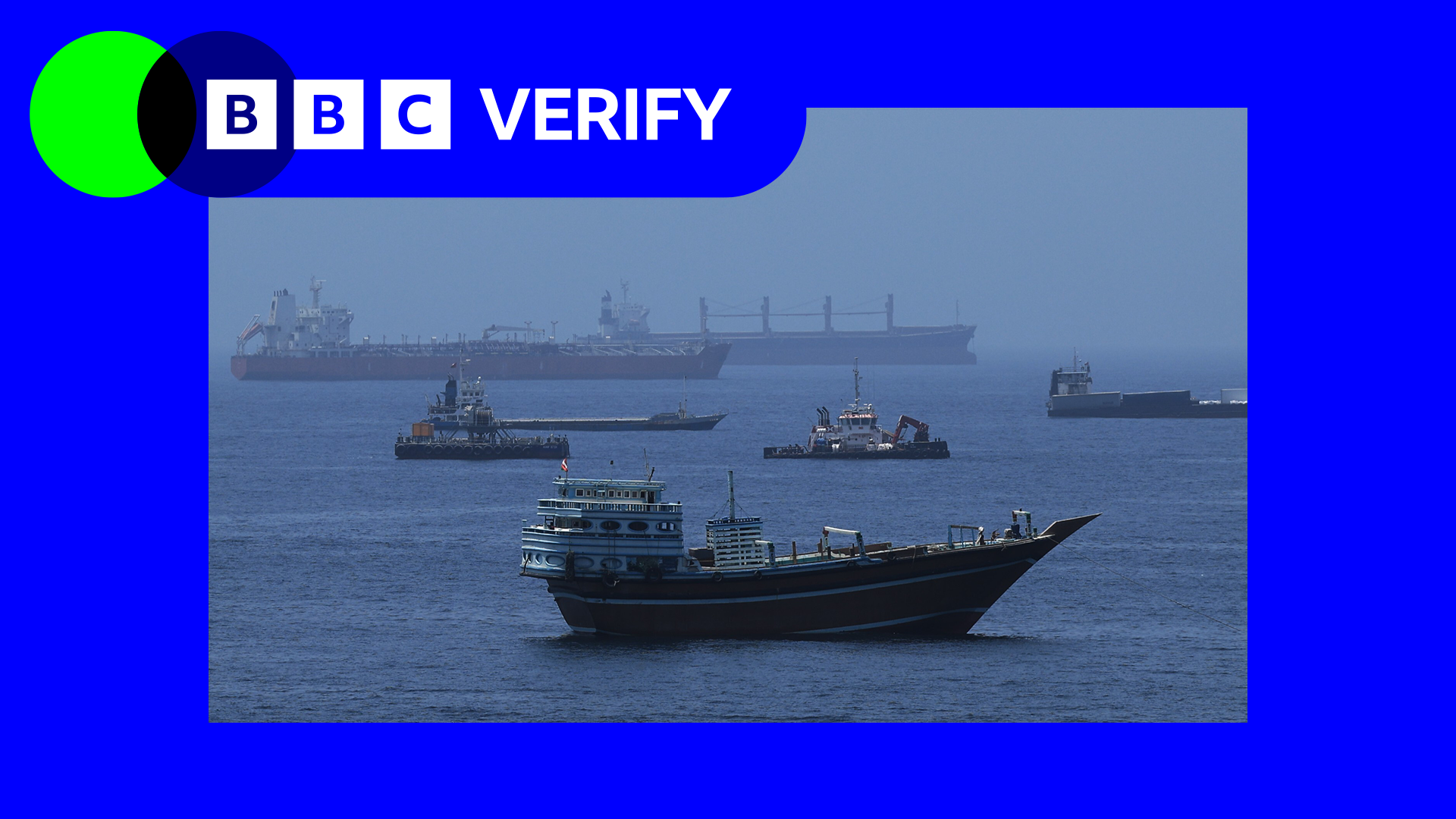
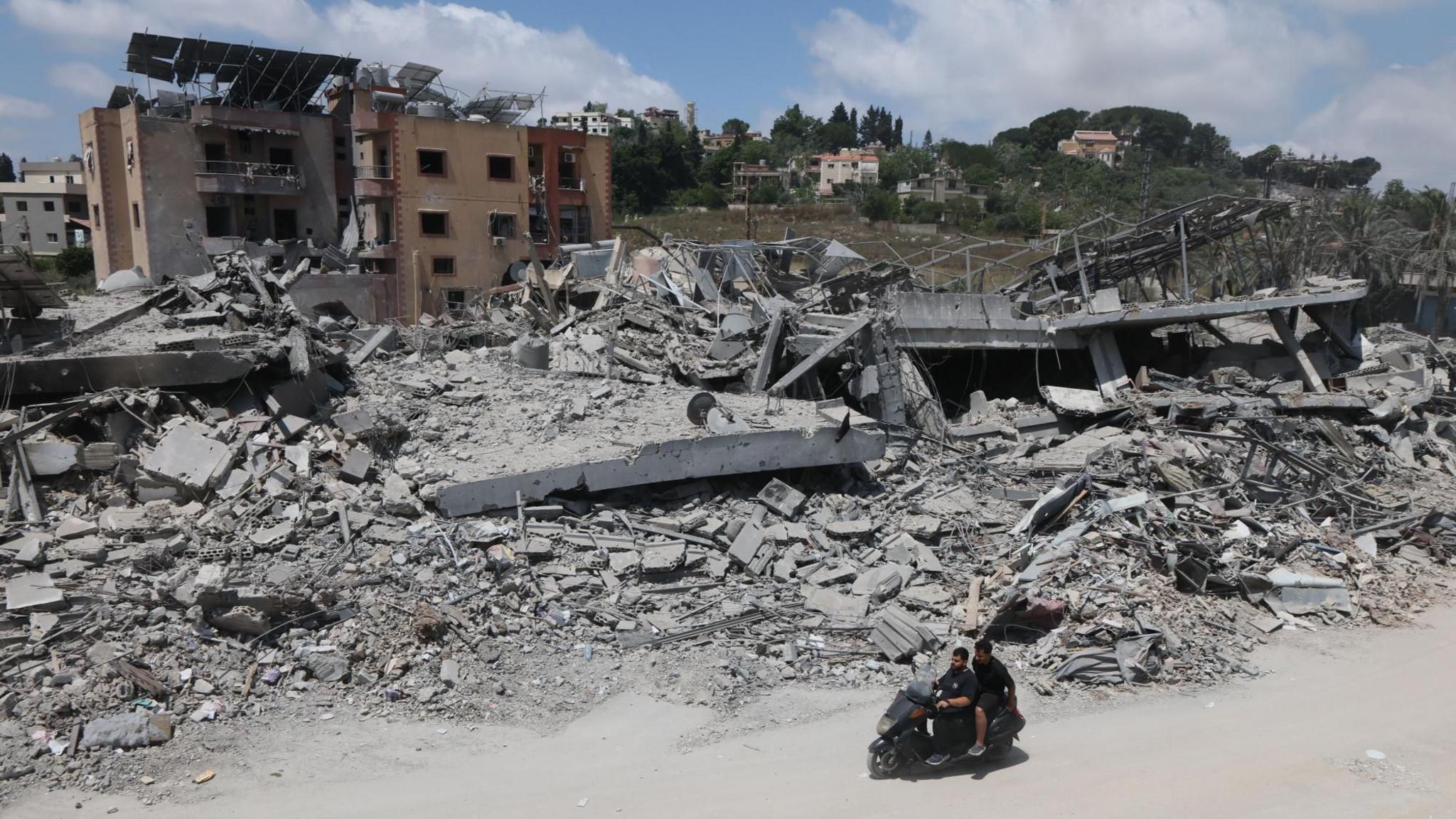
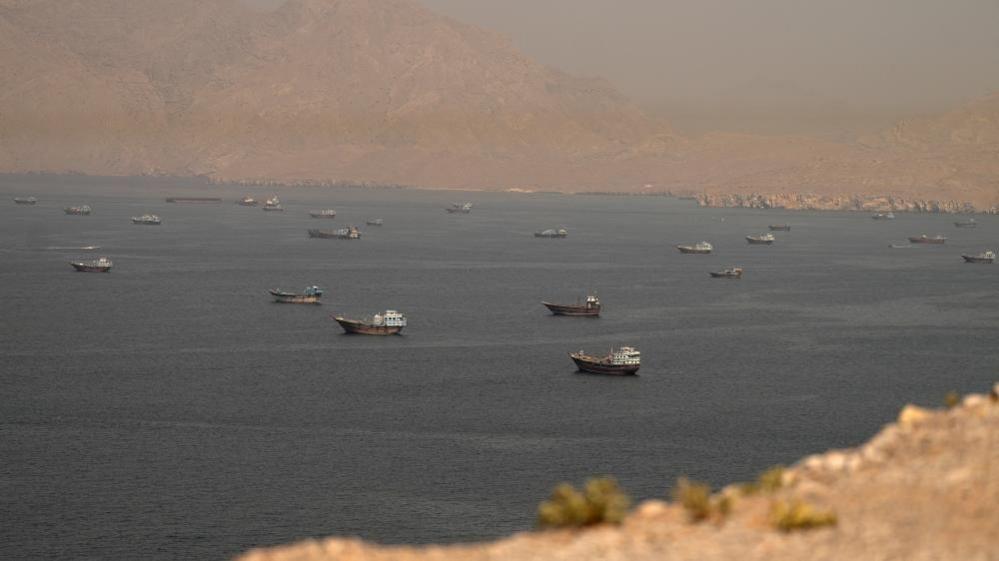
The U.S. and Israel launched wide‑range attacks on Iranian targets on 28 February. Iran retaliated with missile strikes on Israel and U.S.‑allied Gulf states, and effectively closed the Strait of Hormuz, a vital route for global oil and liquefied natural gas shipments.
Despite a ceasefire agreement signed in April, sporadic exchanges have persisted, including two recent rounds of tit‑for‑tat strikes. Trump has repeatedly emphasized the possibility of a peace agreement in mid‑May, yet no signed contract has emerged.
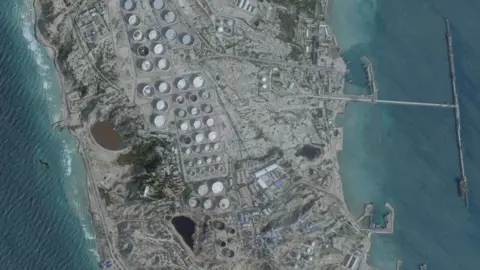
Trump’s remarks coincided with a significant dip in Brent crude prices, falling to approximately $89 per barrel. He also threatened to “hit Iran very hard tonight” and suggested the U.S. might seize Kharg Island and other Iranian oil infrastructure in the near future, citing the risk of Iranian military retaliation for further attacks.
Kharg Island, Iran’s primary oil export terminal, handles roughly 90% of the country’s oil shipments. Trump warned that the U.S. would assume “total control” over the oil and gas markets “much like we have with Venezuela,” a stark escalation of geopolitical pressure.
Iran’s senior negotiator, Mohammad Bagher Ghalibaf, cautioned that impulsive decisions could result in an “endless quagmire” for the region, underscoring the sensitivity of the current diplomatic posture.
In the conflict’s lead‑up, a U.S. Apache helicopter crash and subsequent missile exchanges highlighted the volatility of the area. The U.S. Central Command confirmed targeted strikes on Iranian military and radar sites, while Iran said it had struck back at U.S. bases in Bahrain, Kuwait, and Jordan.
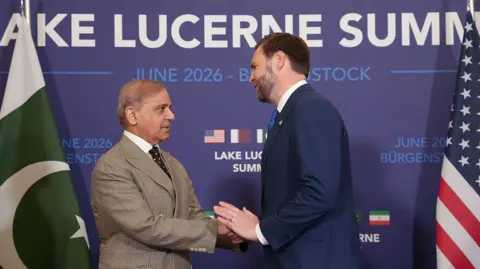
The escalating back‑and‑forth prompted multiple nations, including Pakistan, Russia, China, Turkey, India, and Saudi Arabia, to issue calls for de‑escalation. United Nations Secretary‑General António Guterres also acknowledged heightened regional tensions, urging parties to return to full ceasefire implementation.
The situation remains fluid. While Trump promises a swift signing, Tehran’s stance suggests negotiations are still in progress or stalled, keeping the conflict’s resolution uncertain.