Moscow Grapples with ‘Oil Rain’ After Drone Attack on Refinery
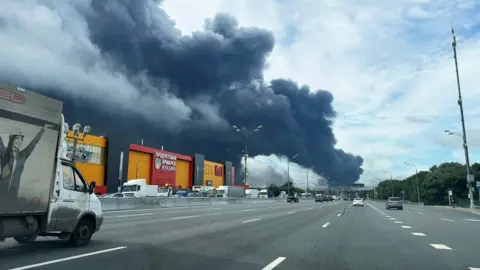
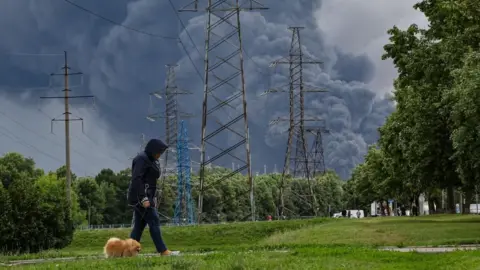
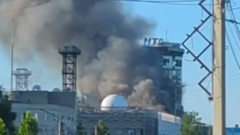
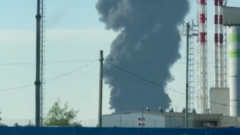
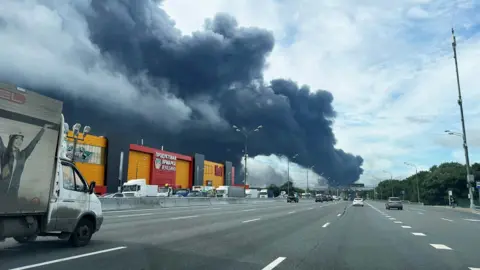
An estimated 200 Ukrainian drones struck the Kapotnya refinery south‑east of Moscow, falling within a densely defended zone. The blast triggered a large plume of black smoke that drifted over the city and left a fine black drizzle on residents’ clothes.
Moscow governor Andrei Vorobyov confirmed that 17 people were wounded and that a nearby shopping centre caught fire after debris from falling drones hit its structure. The incident forced the temporary shutdown of all four Moscow airports and caused over 500 flight cancellations.
Official Telegram alerts warned that windows should remain closed and urged families with children, elderly and asthmatics to leave affected neighborhoods. Despite these precautions, witnesses describe the smell of burning and the sight of oil‑laden rain as “unpleasant” and potentially hazardous.
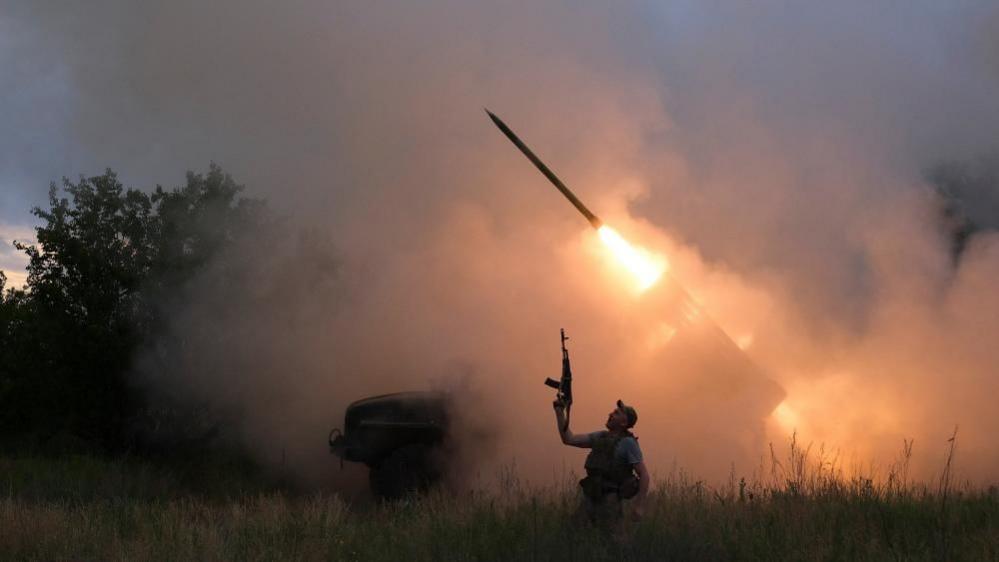
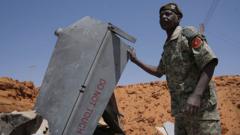
The raid is part of a broader Ukrainian strategy that uses large numbers of reconnaissance drones to map Russian defences before launching larger strikes. Analysts note that Moscow’s air‑defence network, though extensive, has difficulties intercepting high‑volume drone assaults, leading to greater risk of anti‑missile debris downfall.
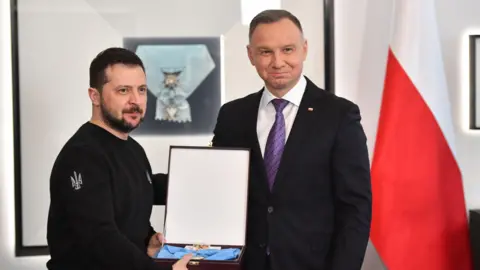
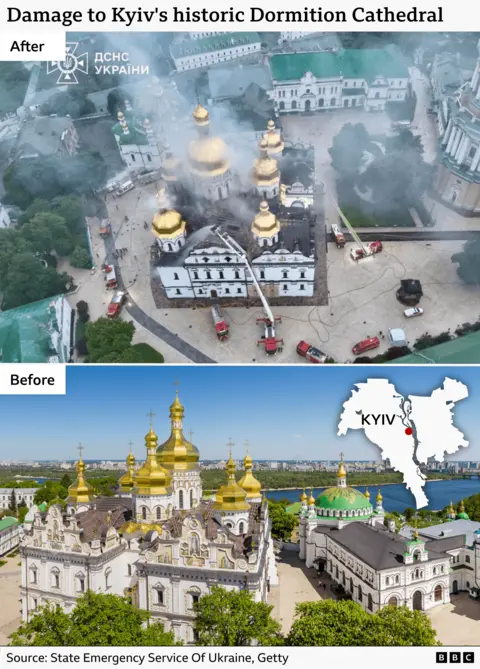
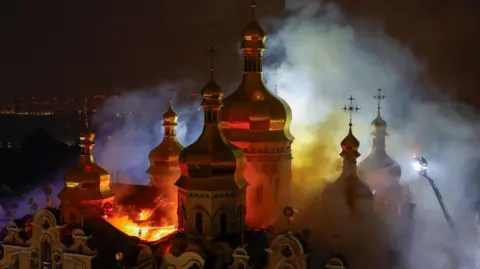
Earlier this week, Ukraine’s President Volodymyr Zelensky said the hit was “an answer” to a Russian attack on Kyiv’s Pechersk Lavra monastery, while Russian Foreign Minister Sergei Lavrov warned that further strikes would be launched on a mass scale.
As the conflict enters its fourth year, the use of long‑range drones by Kyiv has increasingly brought the war close to ordinary Russians, raising questions about the effectiveness of Moscow’s protective measures and the broader implications for civilian security in the region.