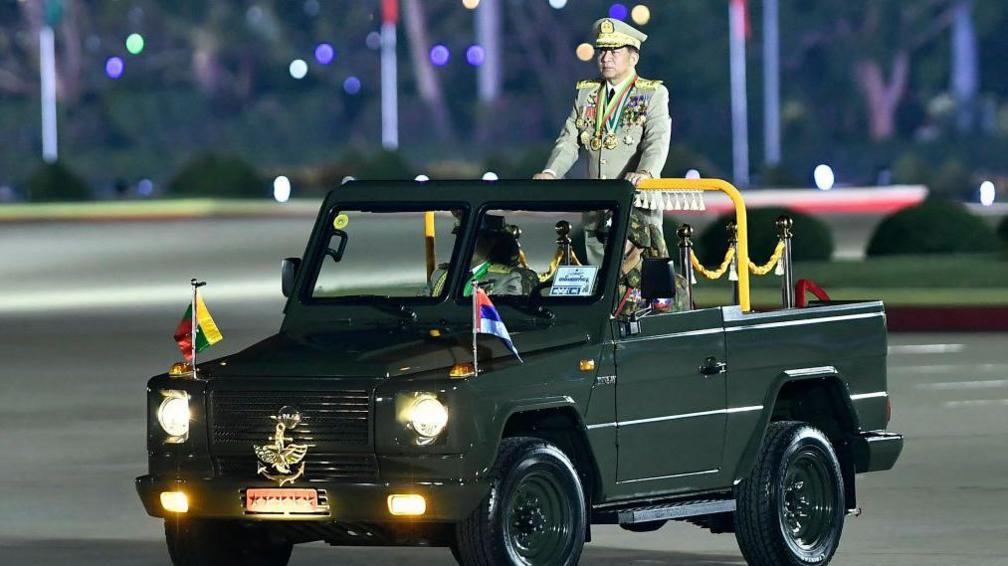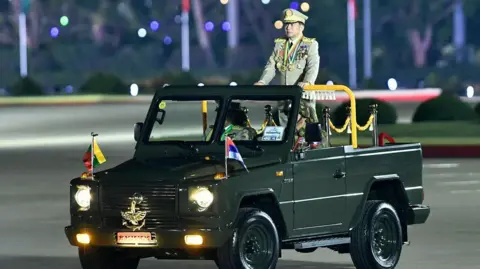
The Myanmar civil war now looks increasingly lopsided; the armed protesters, once on the offensive, face a tide of forcibly conscripted soldiers. The military’s 2024 conscription law has turned countless young men from the countryside—ranging from chefs to forestry workers—into combatants, each being swept into the army in raw numbers that rival the rebels’ own forces.
Four men, aged between 19 and 25, slipped into the jungle in Bago and Karen states when military patrols pulled them off the street. One had been serving as a chef, another returned from a karaoke night, a third worked for the forestry department, and the fourth’s arrest involved drugs allegedly slipped into his shoe. None of them wanted a life of warfare.
After a brutal four‑month training, they were thrust onto fronts across Karen state. When they attempted to escape to a restroom, they seized the chance to run from the army convoy, only to be recaptured by a local People's Defence Force patrol. The PDF treated them with camaraderie instead of coercion and offered them shelter on a wartime front line—hopes that, after the money‑driven resettlement plan, they would later be moved to a boundary with Thailand to avoid future military tracking.
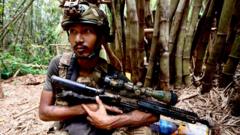
Rebel commander Da Wa, the former political activist who spent years in government prison, says the rapid influx of skeleton soldiers into the army is the main reason the junta’s offensive is advancing. “They have the numbers, we do not,” he told reporters inside a forest‑cover that holds hidden field hospitals, wood and bamboo huts, an operating theatre that rolls on solar power, and a narrow budget. The infantry receives little ammunition; one platoon commander, Kyar Soe, described the frugal disposal of each bullet in a last‑minute video he filmed from a hidden hospital ward.
While the military’s air power has grown thanks to its new security pact with Russia, the rebels also face their own loss of ground. They had captured Hpapun in Karen state a year ago, but the incursion lasted only a few days before the junta’s artillery and airstrikes forced a retreat. The lot of the war turns increasingly into a series of fiercely contested frontlines, where drones sweep the skies and artillery thunders from distant towers.
Despite the shortage of weapons, the PDF remains committed to their cause. One field doctor, Dr Saung, who once served nineteen years in a military academy, runs a field hospital with shoestring funds and an ardent resolve to raise the next military generation. “The people of the next generation,” he says, “have to fight forth because the previous generation failed.” He explains to recuperated fighters, like the young woman who has just given birth to a daughter named Sue Paye, that the dream is a free and democratic Myanmar. The family wants to keep travel to visit both sides of their family when peace arrives.
The conflict not only pits the rebels against a better–armed junta but also reveals the geopolitical play. China—whose mining interests span Karen and Kachin–states—has brokered ceasefires with rebel groups and throttles weapon supplies to the resistance. It is a backdrop that trains fighting forces on one side, creating a very uneven struggle. The corollary, as illustrated by the four conscripts, is that Myanmar’s next decade will be a story of a reborn population re‑educated, wary of further indoctrination, and united behind a free future—while the military’s advance continues to show the brutal advantage of forced conscription and powerful allies.