In brief
Late Wednesday a Eurasian brown bear broke into a nomadic tent‑like home in Bayanzurkh district, fatally striking a man in his forties and seriously injuring a woman who fled to alert neighbors. Police confirm the attack and the bear has yet to be located. Analysts link the spike in bear sightings—24 near the capital this year versus two in 2018—to warming climates and shrinking food supplies. Rangers are now hunting for the animal, and authorities urge residents to report any animal encounters. The incident fuels growing concerns over human‑wildlife safety in Mongolia’s expanding urban and rural areas.
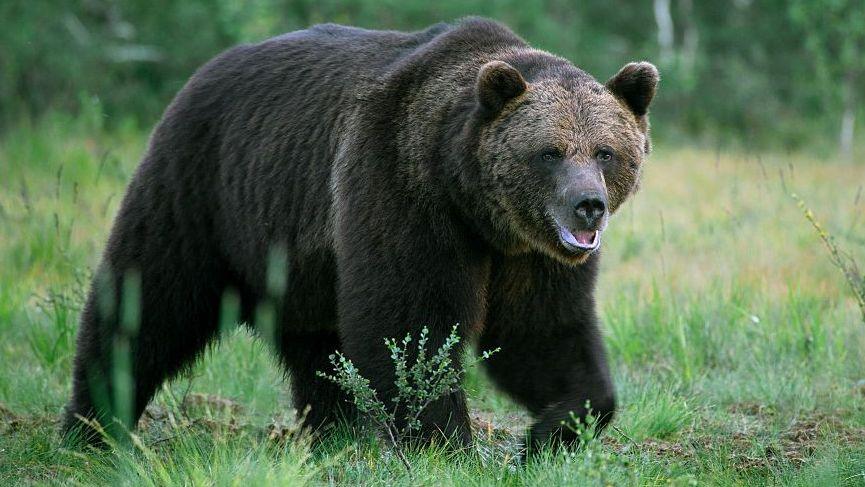
Late Wednesday night, a Eurasian brown bear ambushed a family in a traditional ger in Bayanzurkh district, Ulaanbaatar. Authorities say the bear fatally struck a man in his forties while the woman in her fifties fled, calling for help and later arriving at the emergency department in a critical condition.
Police are still searching for the animal.
In recent years, sightings of bears in close proximity to people have surged, with climate‑driven food shortages blamed by scientists. Official data shows 24 bear encounters near the capital this year alone, up from only two in 2018.
Rangers have been dispatched, and hunting licenses are being issued in eight provinces. Authorities also aim to equip remote rangers with tranquiliser guns to safely manage future encounters.
Community officials warn residents to stay vigilant, immediately report sightings, and secure livestock. The case highlights the mounting challenge of living alongside increasingly bold wildlife in Mongolia’s growing settled and nomadic populations.