Brazil Accuses US of Election Interference Ahead of Presidential Race
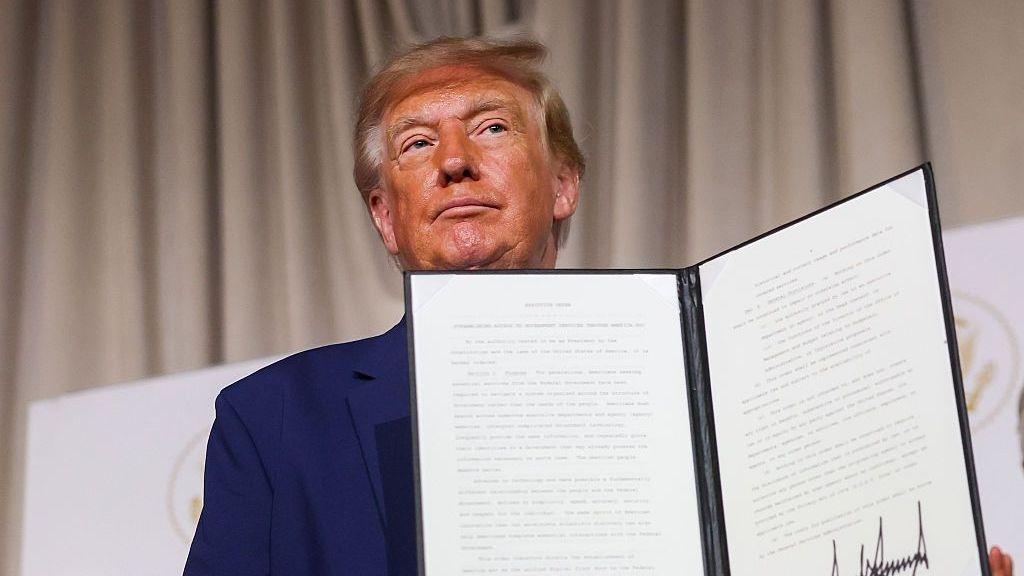
In a backdrop of heightened political tension, Brazil’s upcoming presidential election places former president Luiz Inácio Lula da Silva against Flavio Bolsonaro, the son of ex‑president Jair Bolsonaro and a close ally of former U.S. President Donald Trump. While the campaign is dominated by domestic policy debates, it has become a focal point for international scrutiny.
Washington has reportedly taken a more supportive stance toward the right‑wing Bolsonaro camp, providing financial backing, political messaging support and diplomatic outreach. According to Lula’s administration, these actions amount to an overt attempt to influence the electoral outcome in Brazil’s favour.
The accusations centre on several intertwined issues. First, trade policy: the U.S. is negotiating a new tariff regime that could impact Brazilian exports, especially agricultural goods that form a backbone of the country’s economy. Second, organised crime: security teams in Brazil warn that foreign actors are attempting to leverage criminal networks to sway public opinion. Finally, sovereignty: many Brazilians feel that external meddling risks undermining the democratic process and the nation’s ability to chart its own political future.
Political analysts from across the spectrum suggest that the controversy underscores a broader regional trend. In Latin America, populist leaders often turn to external powers for campaign financing and ideological support, a dynamic that has led to increased scrutiny from international watchdogs. Meanwhile, the United States has consistently sought to expand its influence in the region through both soft power and economic incentives.
For Brazil, the stakes are high. The election will determine the country’s trajectory on climate policy, its stance toward global trade systems and its role in regional security initiatives. For the United States, it presents an opportunity to forge closer ties with a key partner in South America, but also a risk if perceived interference erodes diplomatic credibility.
In sum, Brazil’s accusation of US election interference reflects deeper anxieties about external influence, trade dependencies and national sovereignty—concerns that resonate beyond Latin America and touch on the core principles of democratic governance worldwide.