How Widely Used is the Death Penalty in the United States?
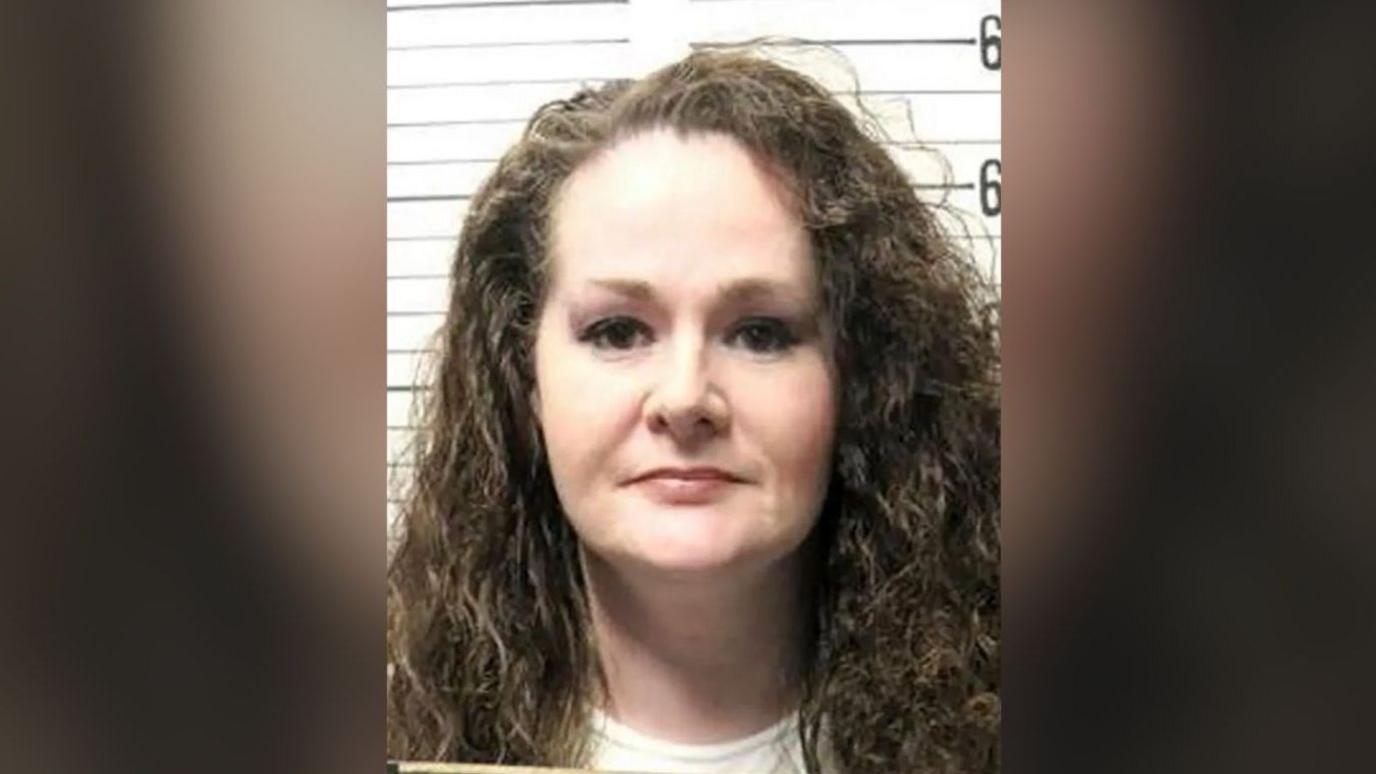
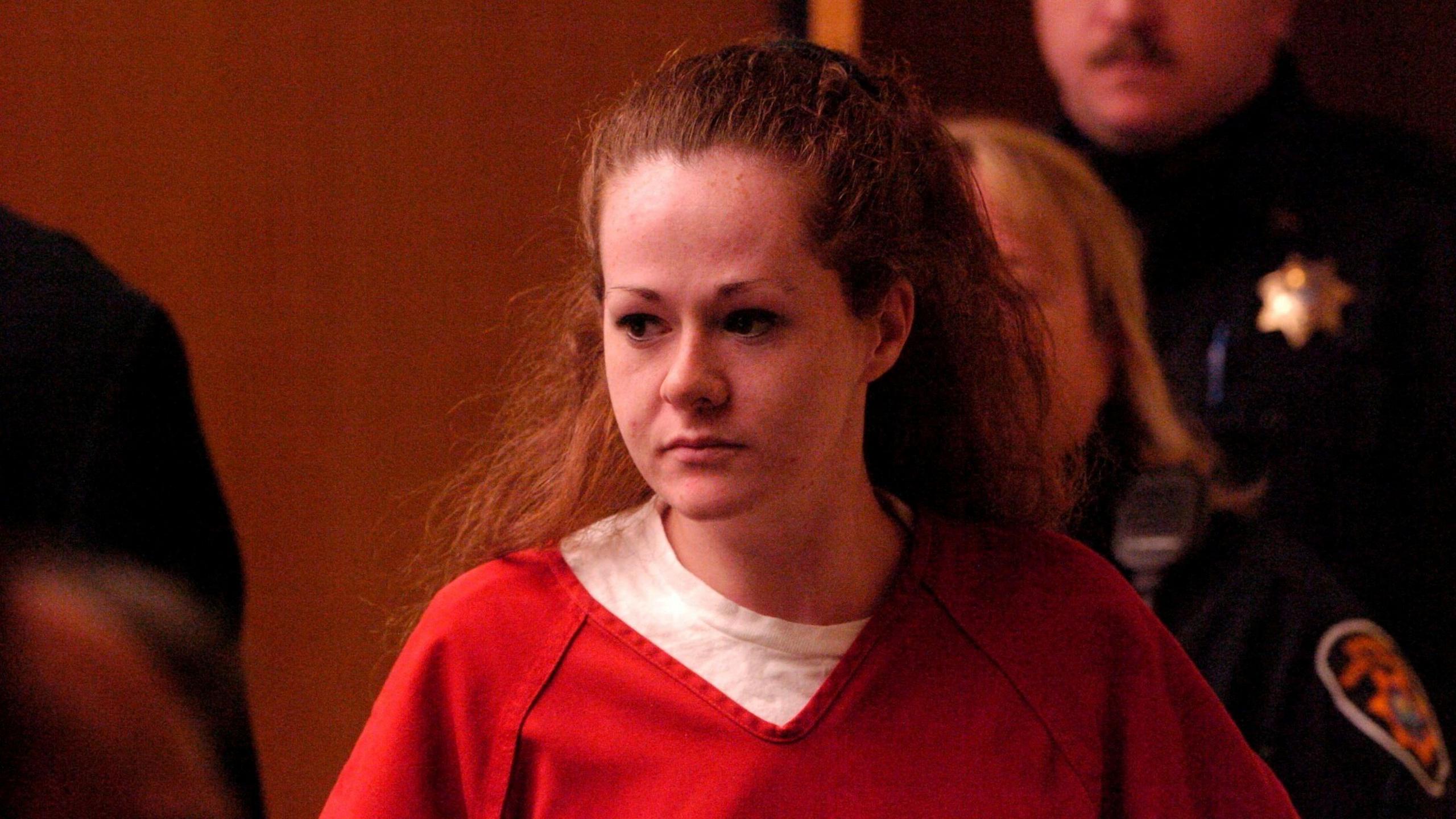
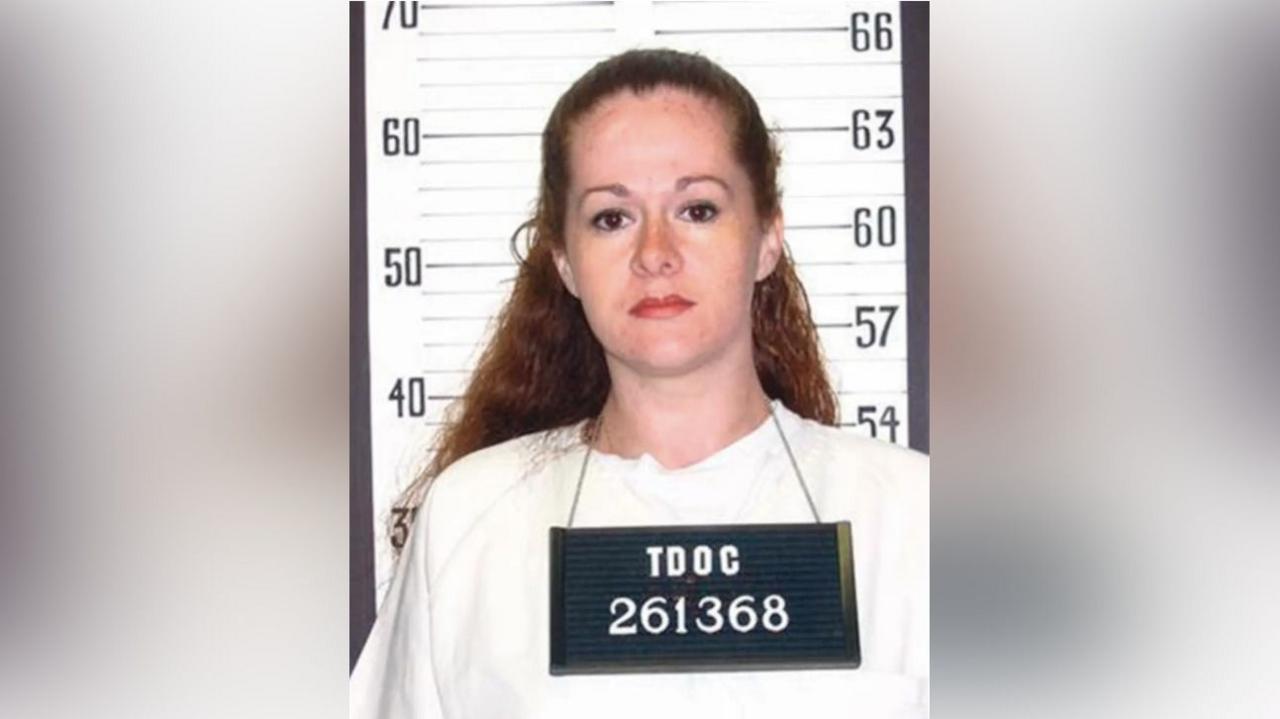
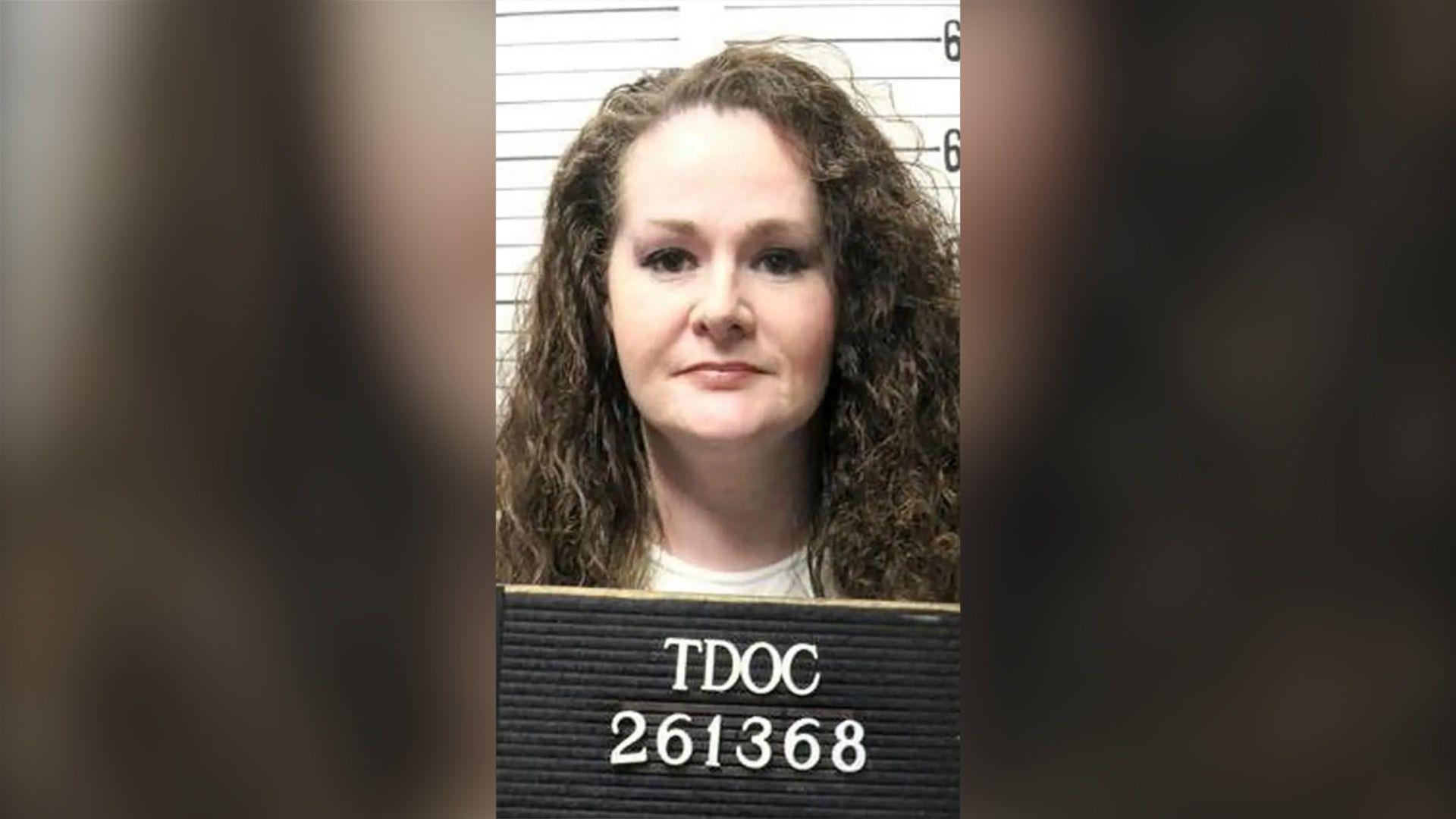
The survival of Christa Pike after two failed execution attempts in Tennessee has sparked a fresh debate over America’s use of capital punishment. Pike, who was sentenced to death for the 2015 murder of her partner, was pulled from her cell on two separate occasions when the electric chair malfunctioned and the guillotine tool could not be properly positioned.
In response, BBC Verify’s Jake Horton set out to examine the facts and figures behind the death penalty’s current prevalence. Since the 1976 reinstatement of capital punishment by the Supreme Court, 27 states and the federal government retain the death penalty on their statutes. However, the number of executions has dropped dramatically: only 18 U.S. federal executions were carried out between 2000 and 2023, and a mere 60–70 state executions occurred each year in the last decade.
The distribution of death sentences is uneven. States such as Texas, Florida, and Virginia have carried out the bulk of executions, while others—like New Mexico and Iowa—have halted executions entirely or moved to indefinite moratoria. In total, more than 20,000 people are currently on death row nationwide, though many remain trapped in lengthy appeals and legal reviews.
Public opinion polls reflect a decline in support for the death penalty; a 2024 Pew Research survey showed only 42 % of Americans backing executions, a decrease from 55 % a decade earlier. State governments are responding with new legislation, some proposing harsher sentences on terrorism or drug‑related crimes, while others are looking to abolish the practice altogether.
The debate continues as courts grapple with constitutional questions, the risk of wrongful executions, and evolving views on justice and deterrence. While the death penalty remains on the books in many U.S. jurisdictions, its use appears to be tightening, bringing policymakers, scholars, and observers to reconsider its future role in the American legal system.