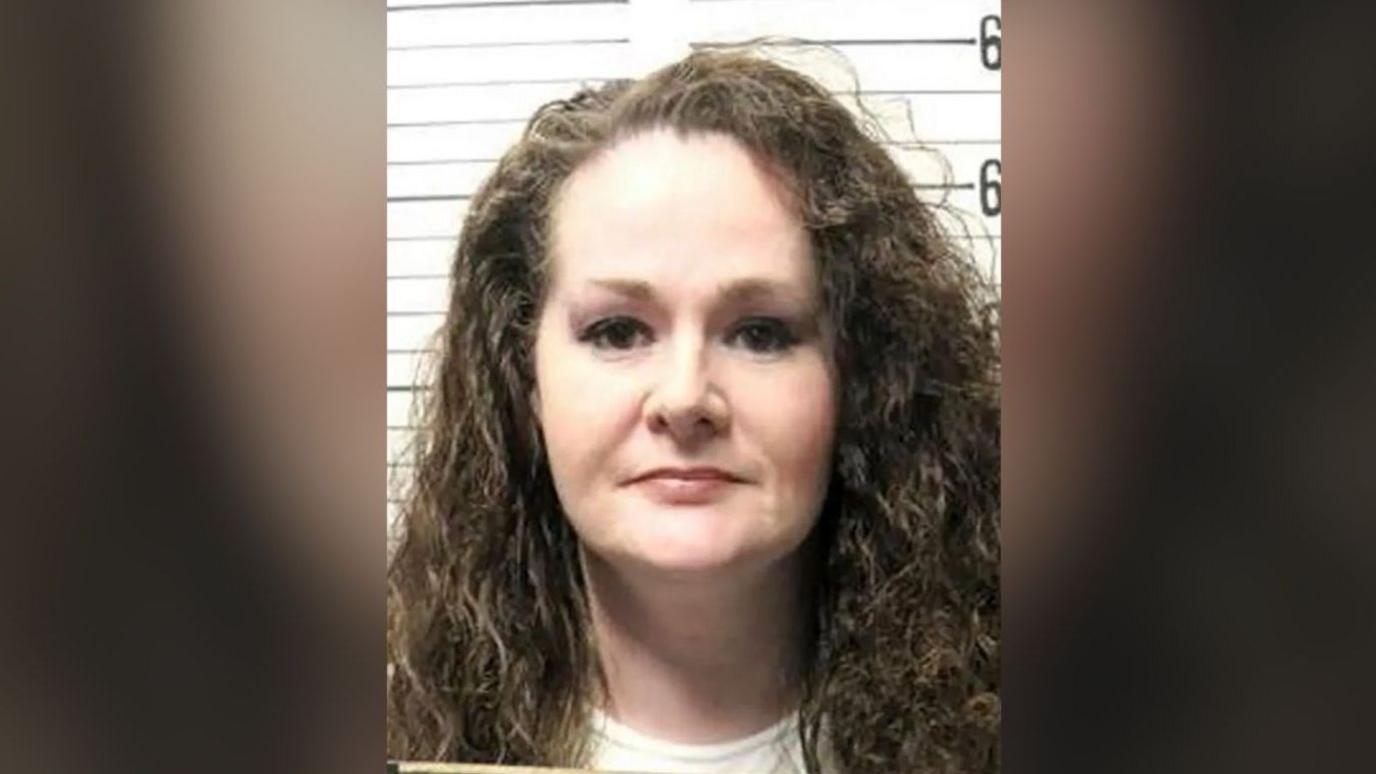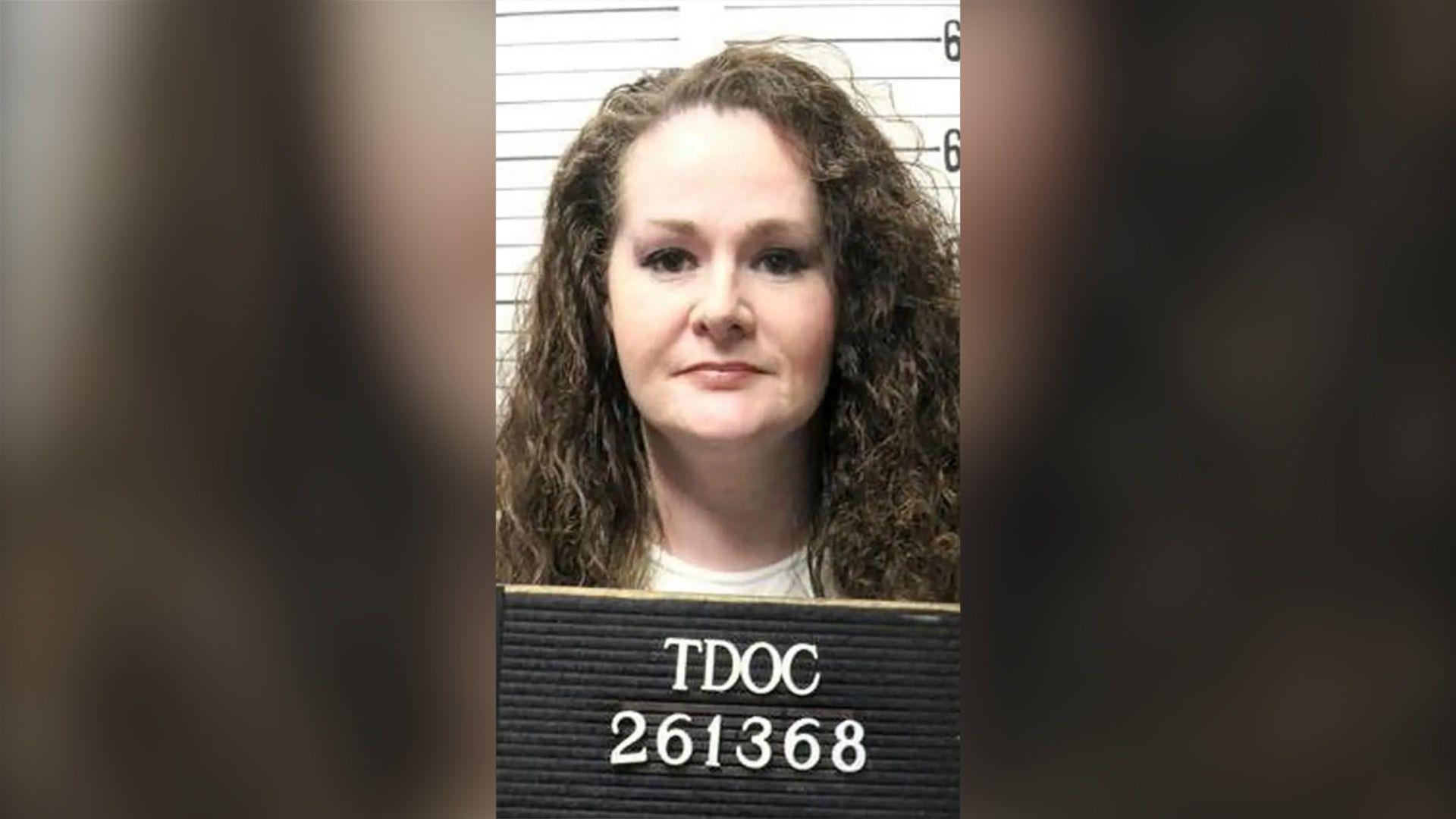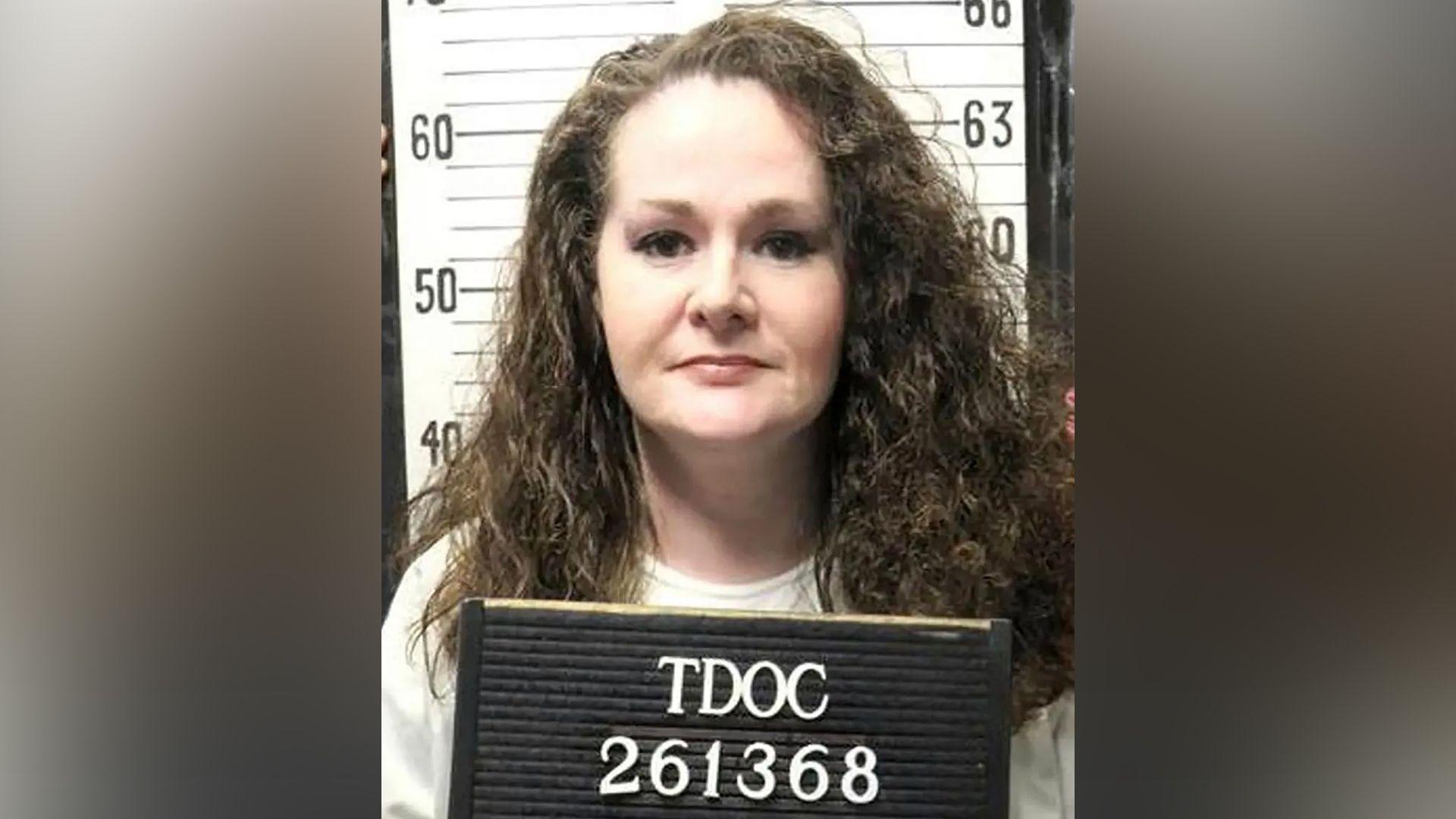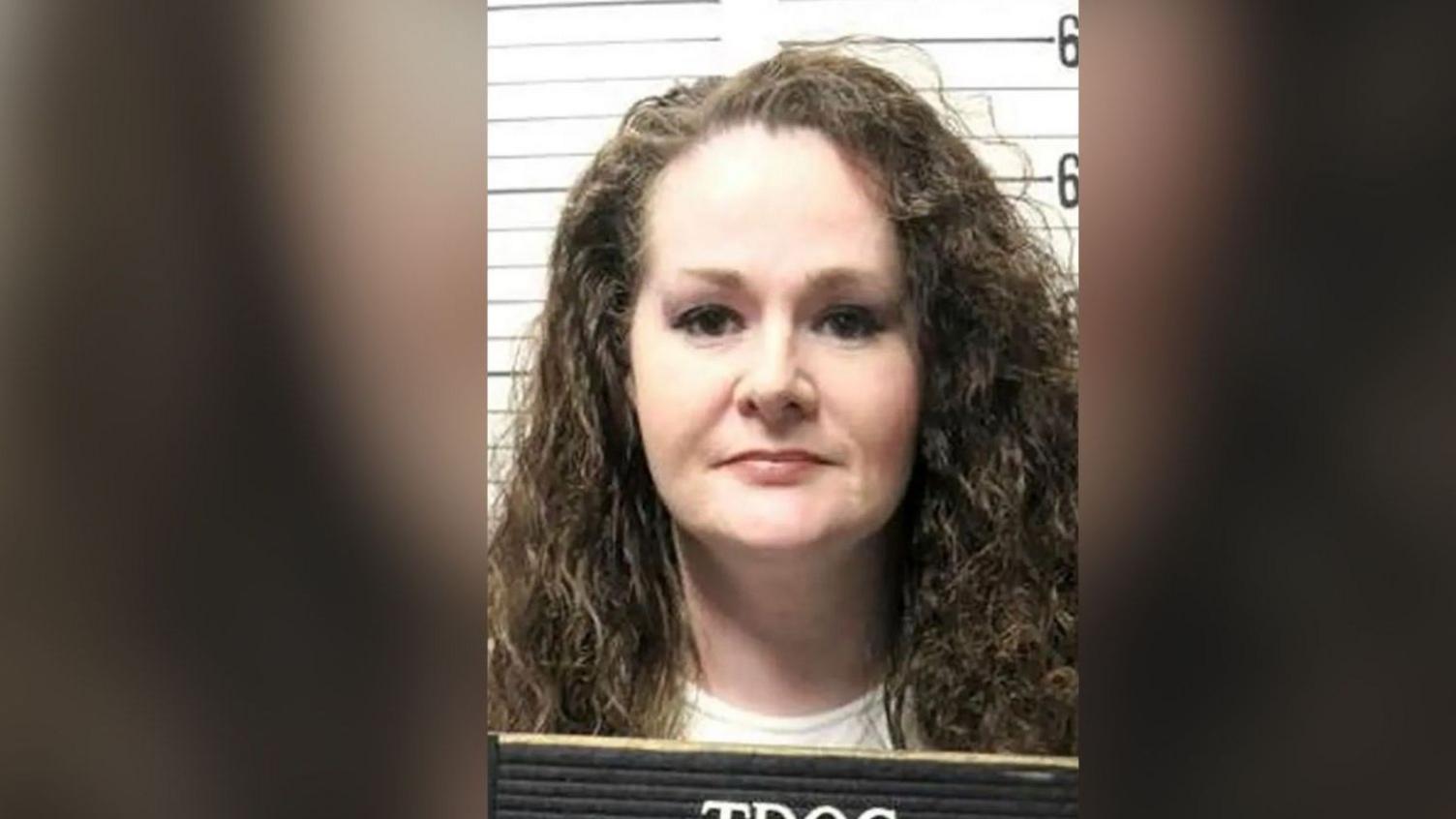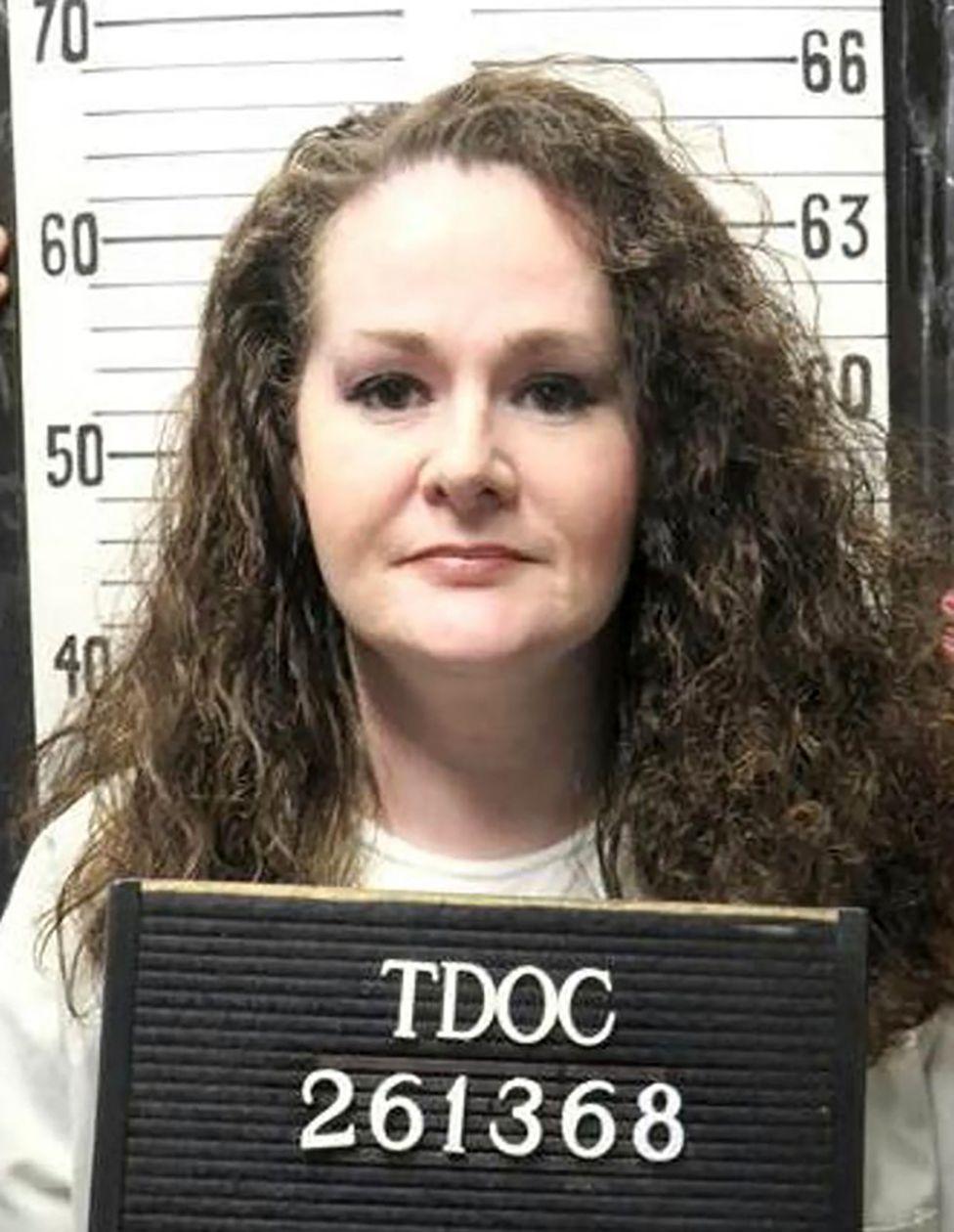
On the night that the Tennessee Department of Corrections set its lethal injection schedule, the twist was that the intent was fulfilled only for half the steps. After the inmate, 50‑year‑old Christa Pike, was given two separate doses of pentobarbital – the barbiturate used in the state’s death protocol – she failed to die. Instead, she continued breathing and was heard snoring, prompting the quick initiation of medical treatment that has now placed her in a critical condition.
Veteran AP reporter Michael Graczyk, who has covered nearly 500 executions in Texas – the country’s most prolific state in carrying out the death penalty – says a failure to result in death is almost unheard of. In his career he has seen needles pop out before reinsertion in a handful of cases, but never an inmate who survived the injection.
According to the Tennessee protocol, a second set of syringes is ready in case the first set does not kill the prisoner. However, the guidelines stop short of describing what must happen if the second dose still fails, leaving officials to intervene on a case‑by‑case basis. Governor Bill Lee subsequently suspended executions in the state and requested an independent review of the procedures.
Such botched executions are part of a larger national debate about the practice of lethal injections. Since the death penalty was reinstated in 1976, the U.S. has carried out 1,683 executions. The most common method is lethal injection, but corruption in drug supply, poor quality of pharmaceuticals and administration errors have raised concerns that the process may not always be humane.
Pipe's attempted execution is only the latest of a chain of controversial death penalty practices that have fuelled criticisms from both the criminal justice system and human rights advocates. In the aftermath, law‑enforcement officials and the United States Department of Justice are reviewing the protocols used by every state to address potential failures, focusing on the safety of both inmates and each other.
Meanwhile, Pike’s victim, 19‑year‑old Colleen Slemmer, who was killed when the young woman was just 18, is remembered by her family and friends as a sweet, caring person. Prosecutors say that Pike’s criminal record includes other murders, but the tragic case that ended up in death chambers illustrates a darker side of the justice system.
Graczyk remains committed to reporting on the ongoing debate, offering a unique perspective as someone who has witnessed these executions first hand and reflects on the moral questions surrounding the death penalty. He notes that when observers like him cover these events, they remind the public that capital punishment is a grave and rarely scrutinized part of the criminal justice system.