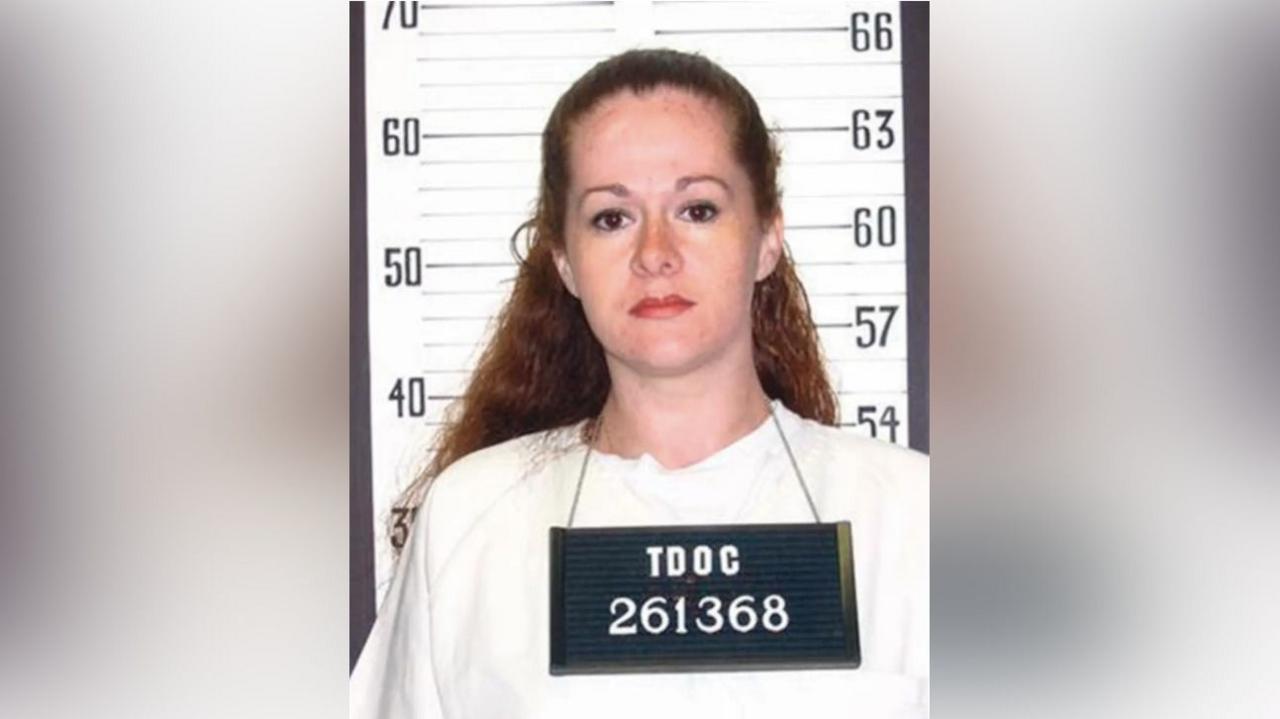
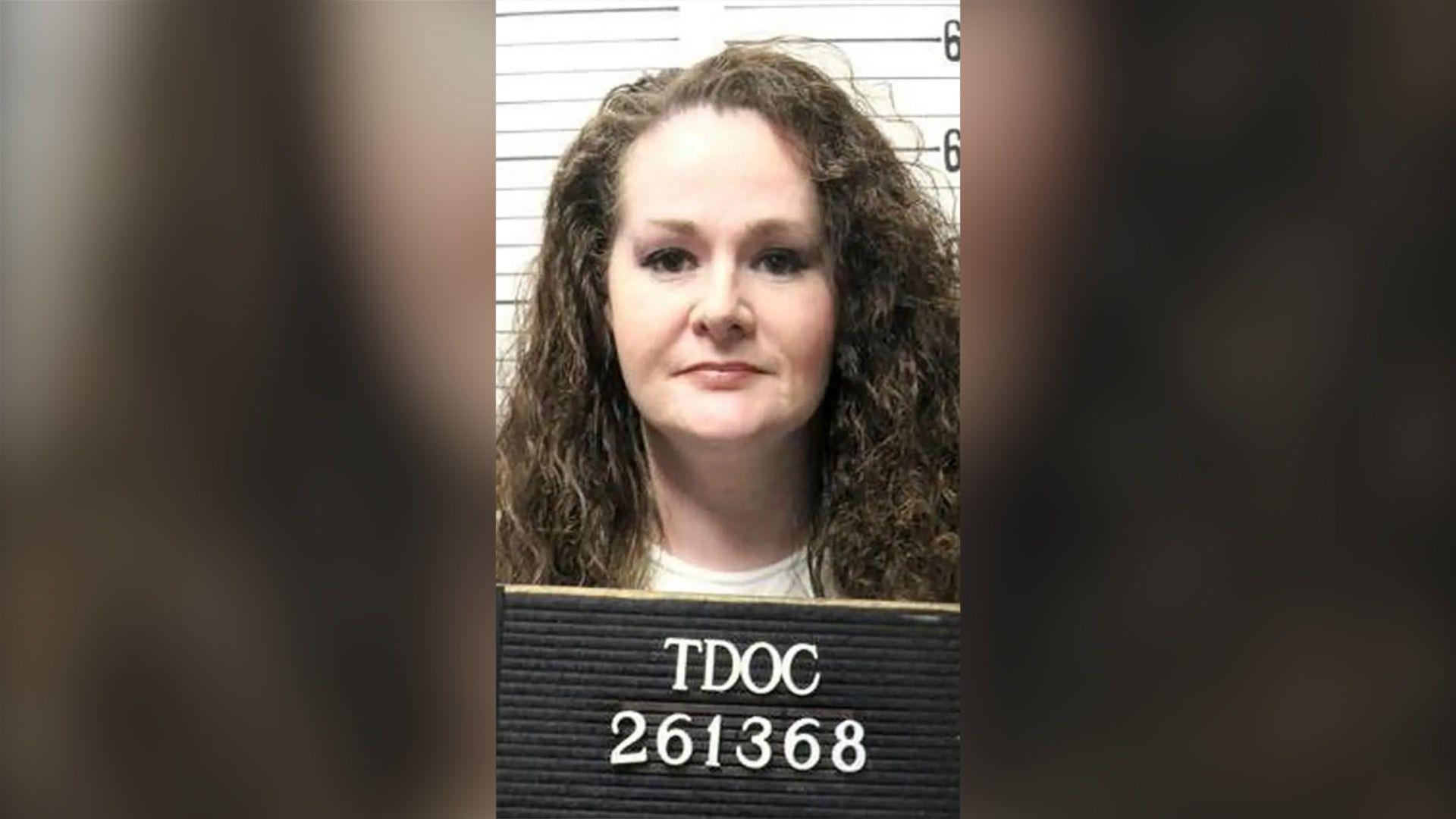
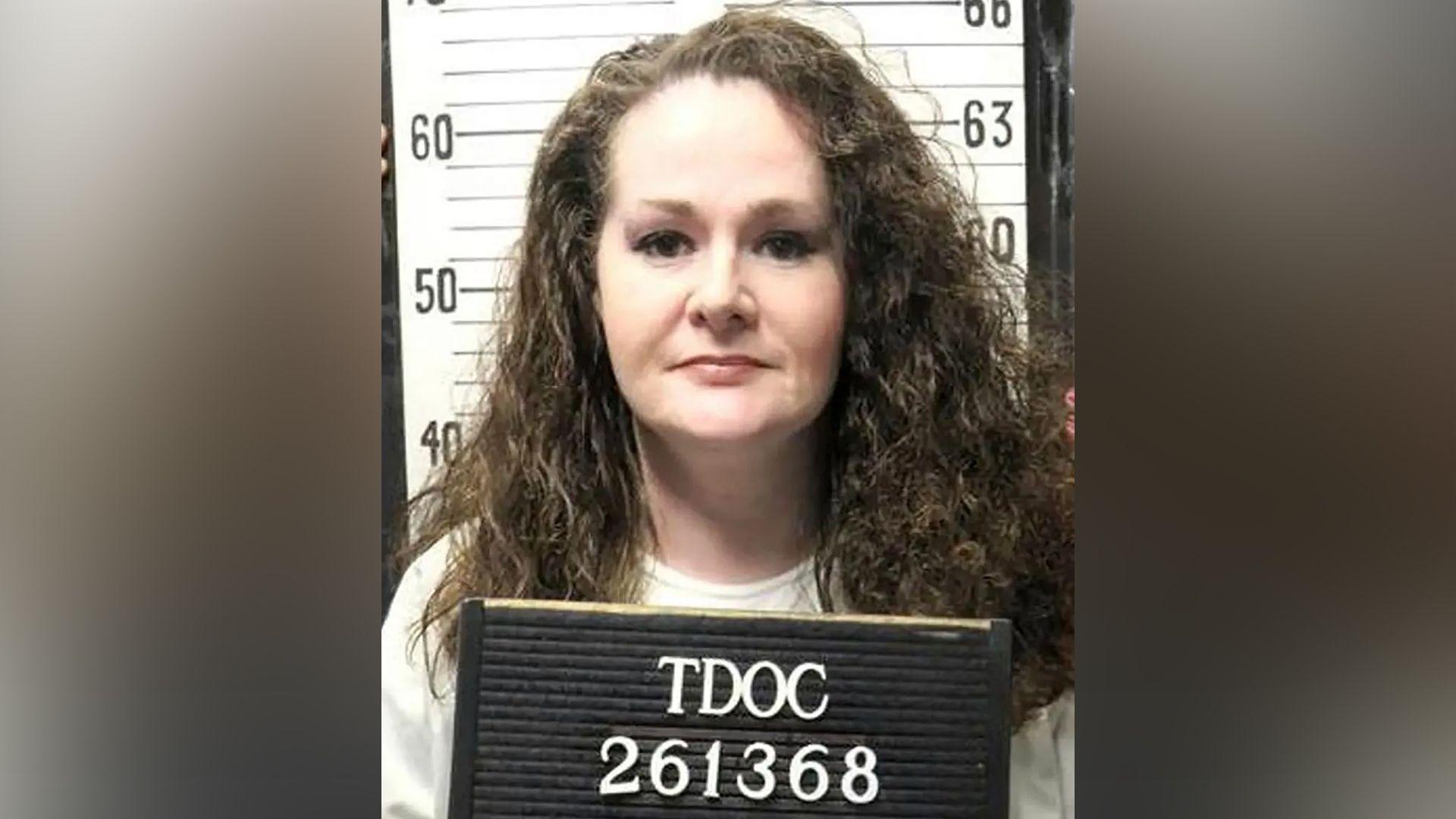
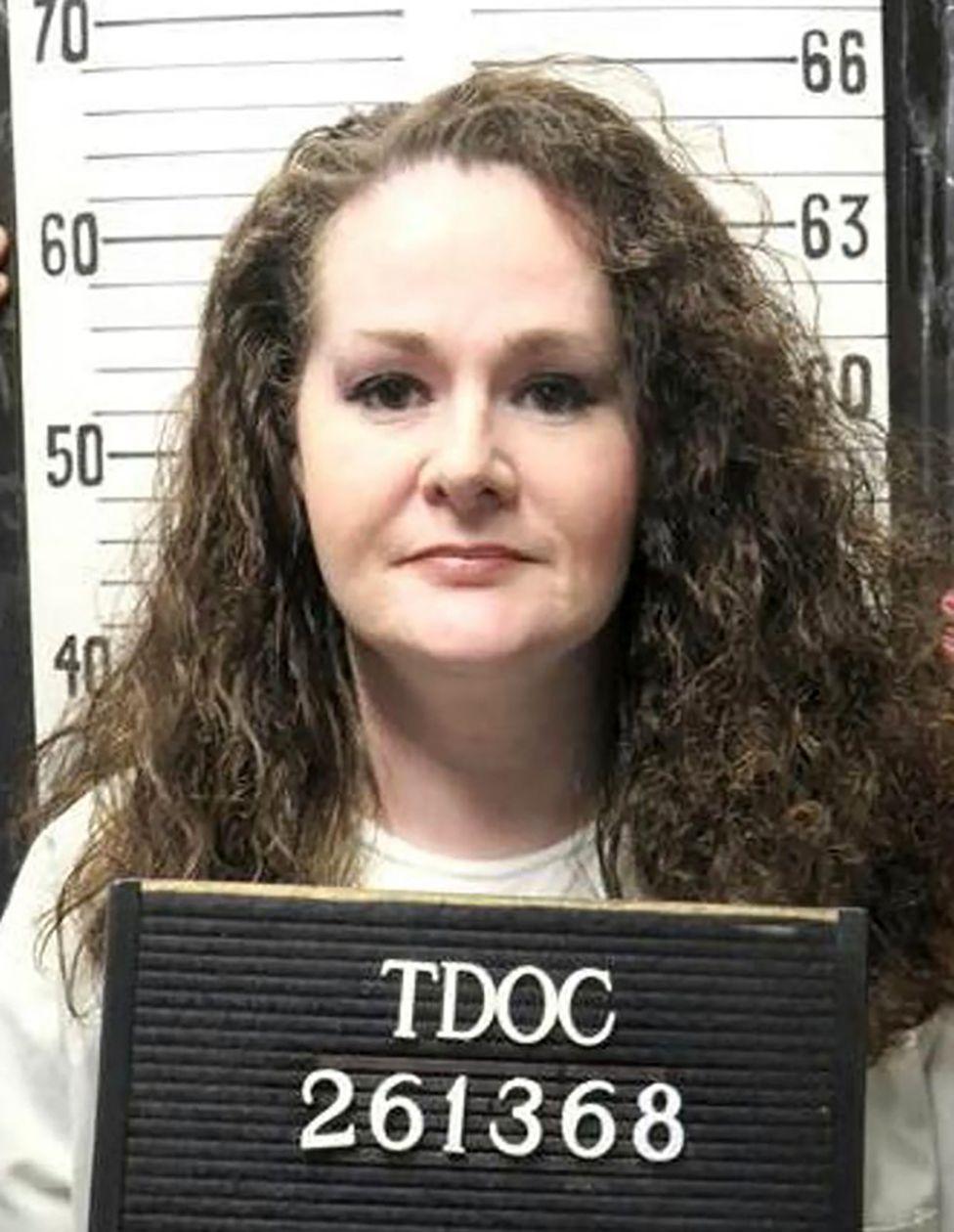
Christa Pike, the woman on Tennessee’s death row for the 2006 murders of her husband and friend, survived two lethal‑injection attempts during a franchise overnight execution on Thursday. Police reports and the inmate’s attorney confirm that she is alive and receiving emergency medical care in a hospital in Nashville.
The first injection, which involved a dose of midazolam to put Pike into a state of unconsciousness, appeared to fail. A second dose of the same drug was then administered. A subsequent blood test confirmed the lack of the drug in her bloodstream, indicating that the execution did not take place as intended. The pacemaker that Pike had defective last year was also checked but was found functioning.
Governor Bill Lee announced that a comprehensive review has been ordered to investigate the reasons behind the malfunction. He also declared that all executions in the state would be suspended for the remainder of 2026. The decision was praised by many former inmates and human‑rights advocates who pointed to the need for stricter oversight of the death‑penalty system.
Law students and legal scholars are already weighing the implications for federal and state policies. Some experts suggest that the fix of using a single‑drug protocol could be enforced to prevent future mishaps. Others raise doubts about the ethical viability of lethal injection when its reliability is in question.
Christa Pike’s case continues to surface in a series of court filings and appeals that question the constitutional validity of using the drug. The updates will be closely tracked by death‑row activists and legal watchdogs who are calling for an end to capital punishment across the United States.