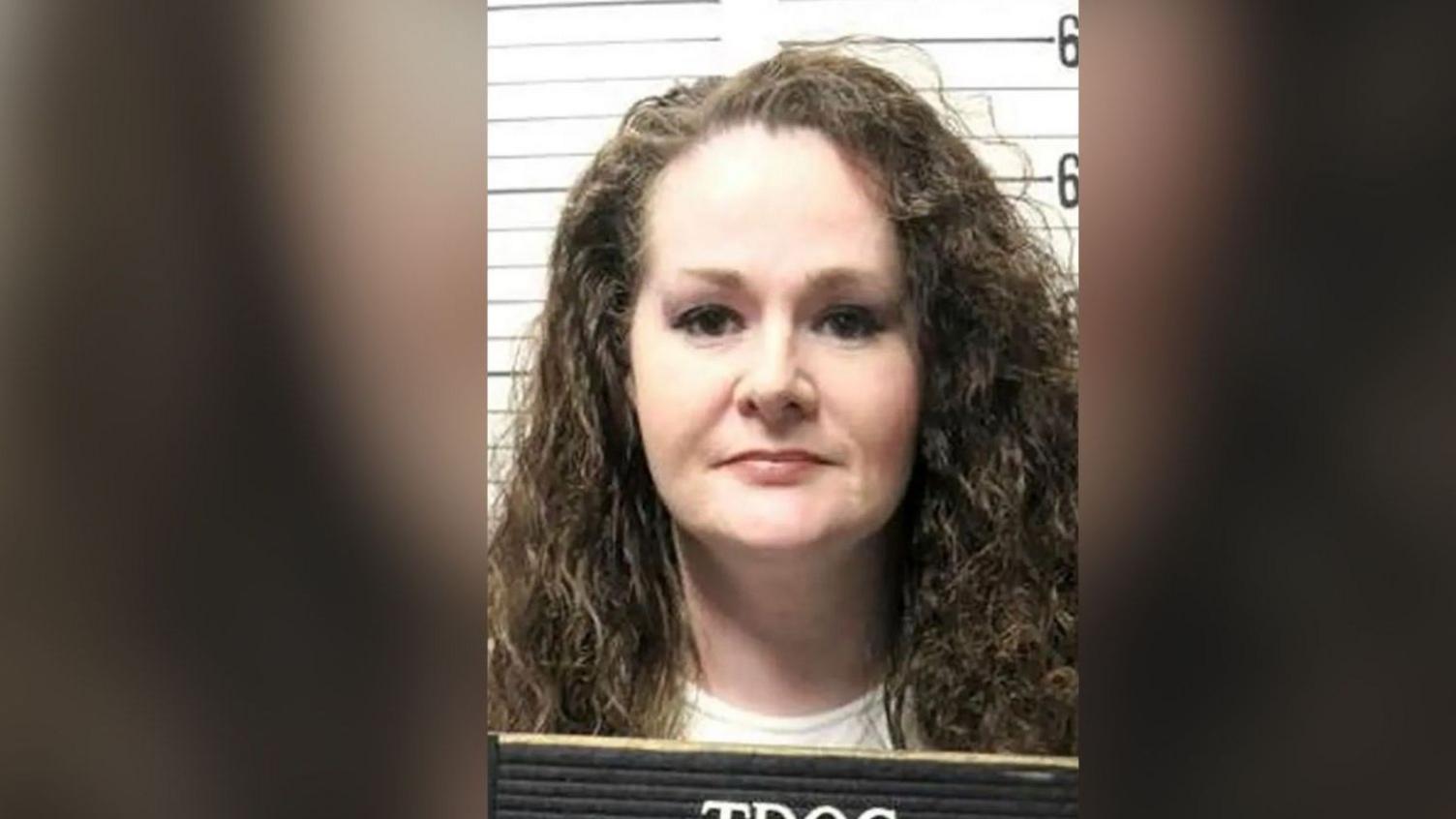
Christa Pike’s failed execution sparks debate over lethal injection protocols
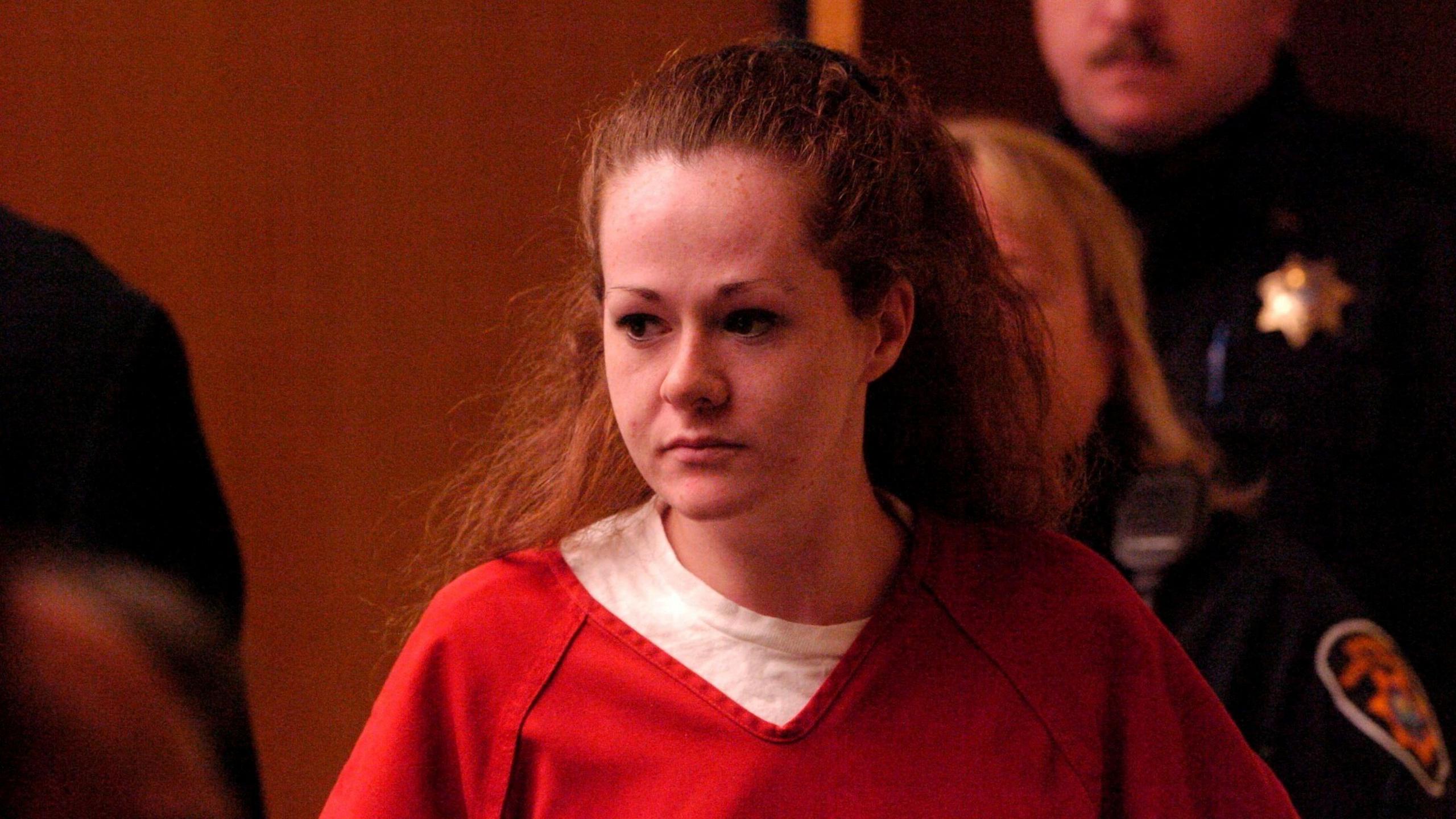
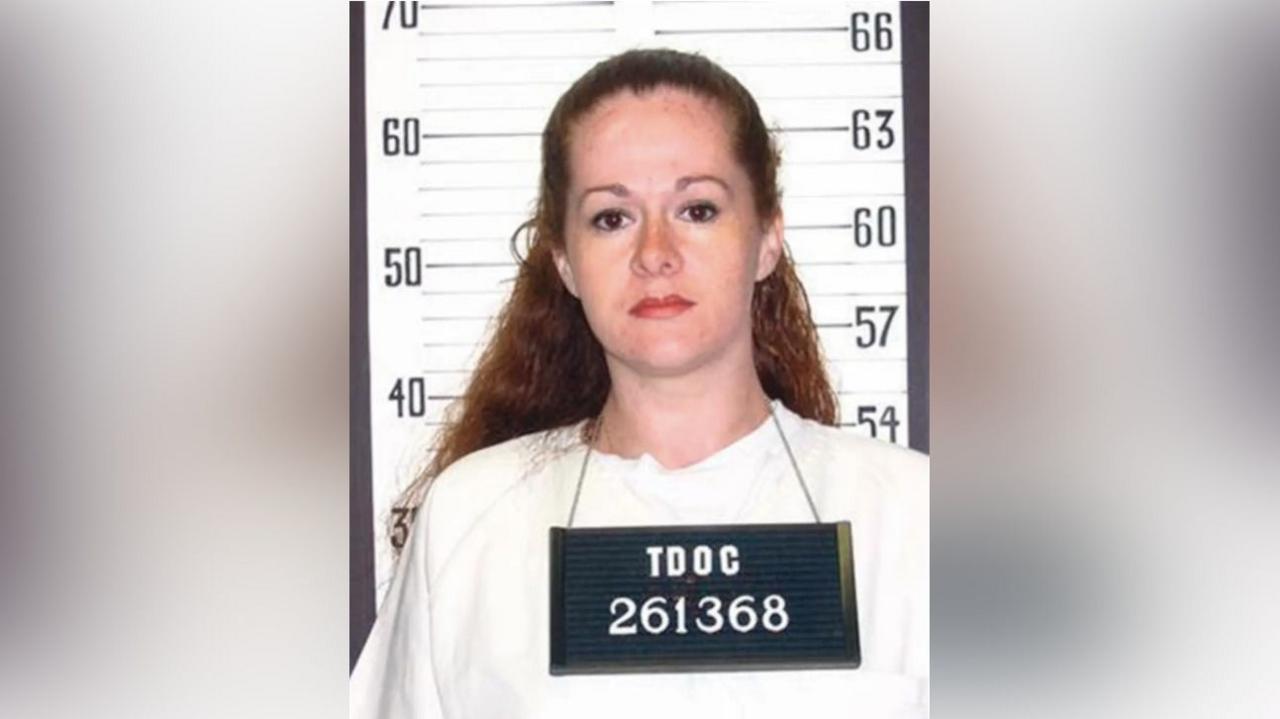
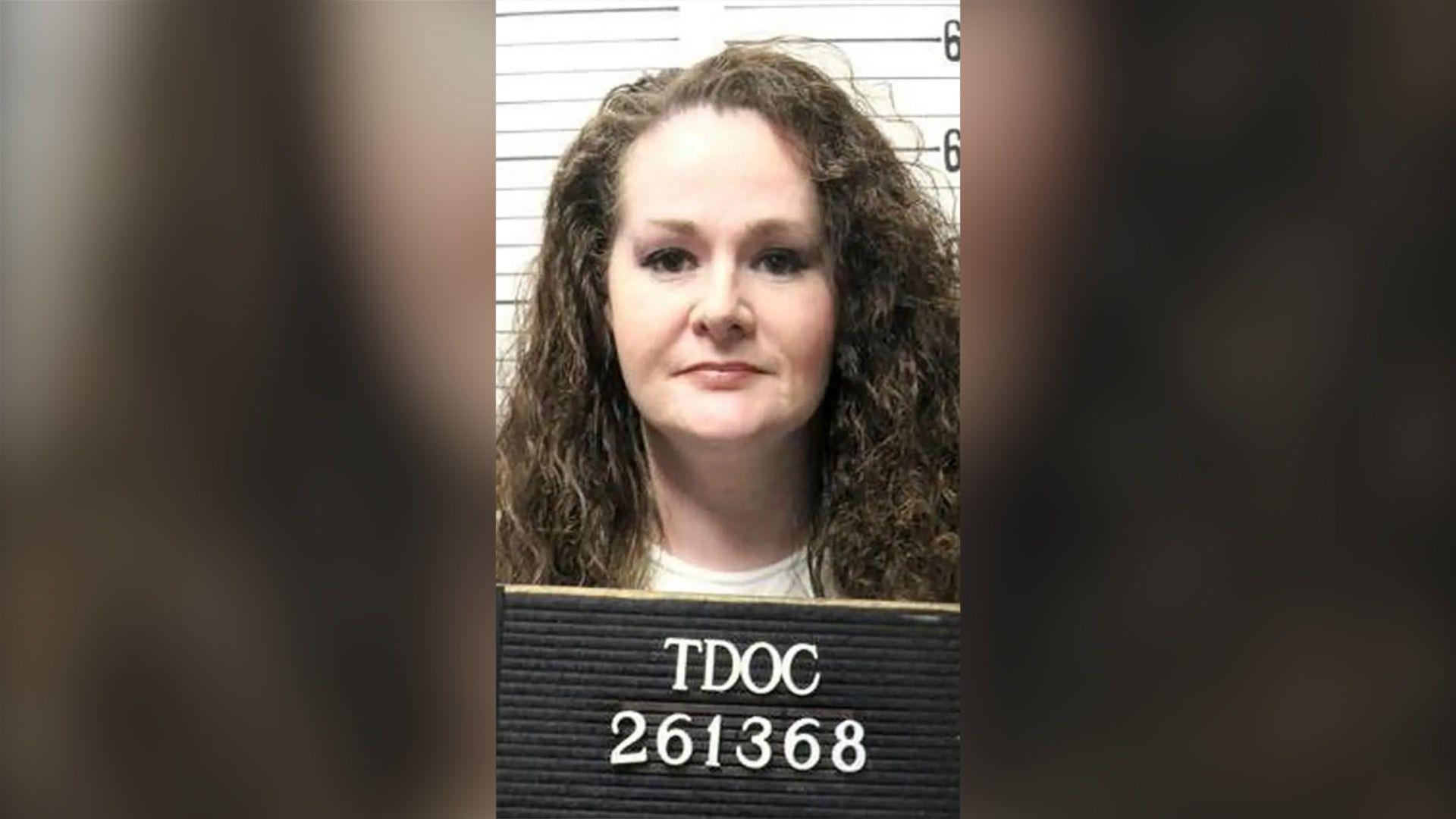
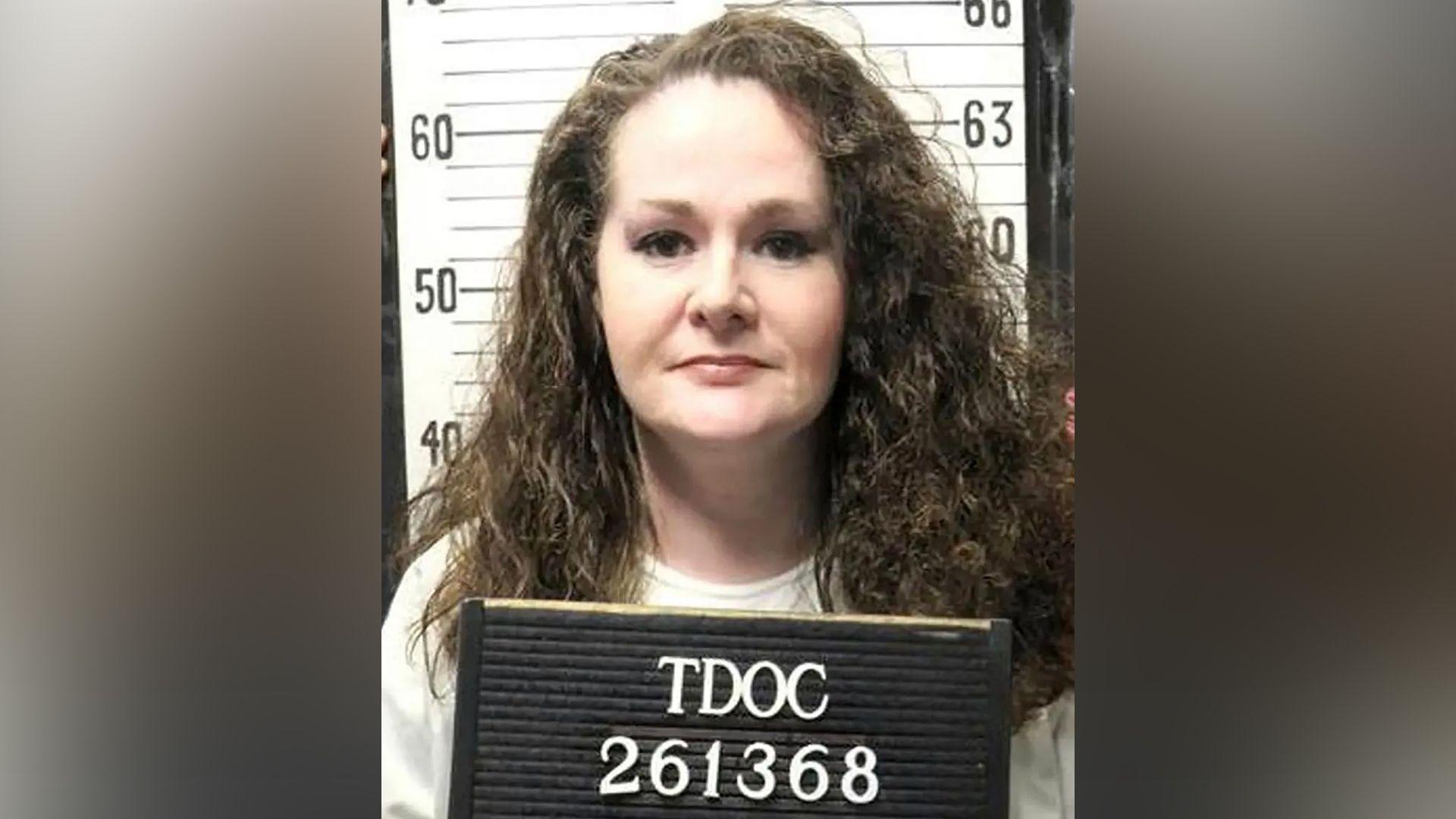
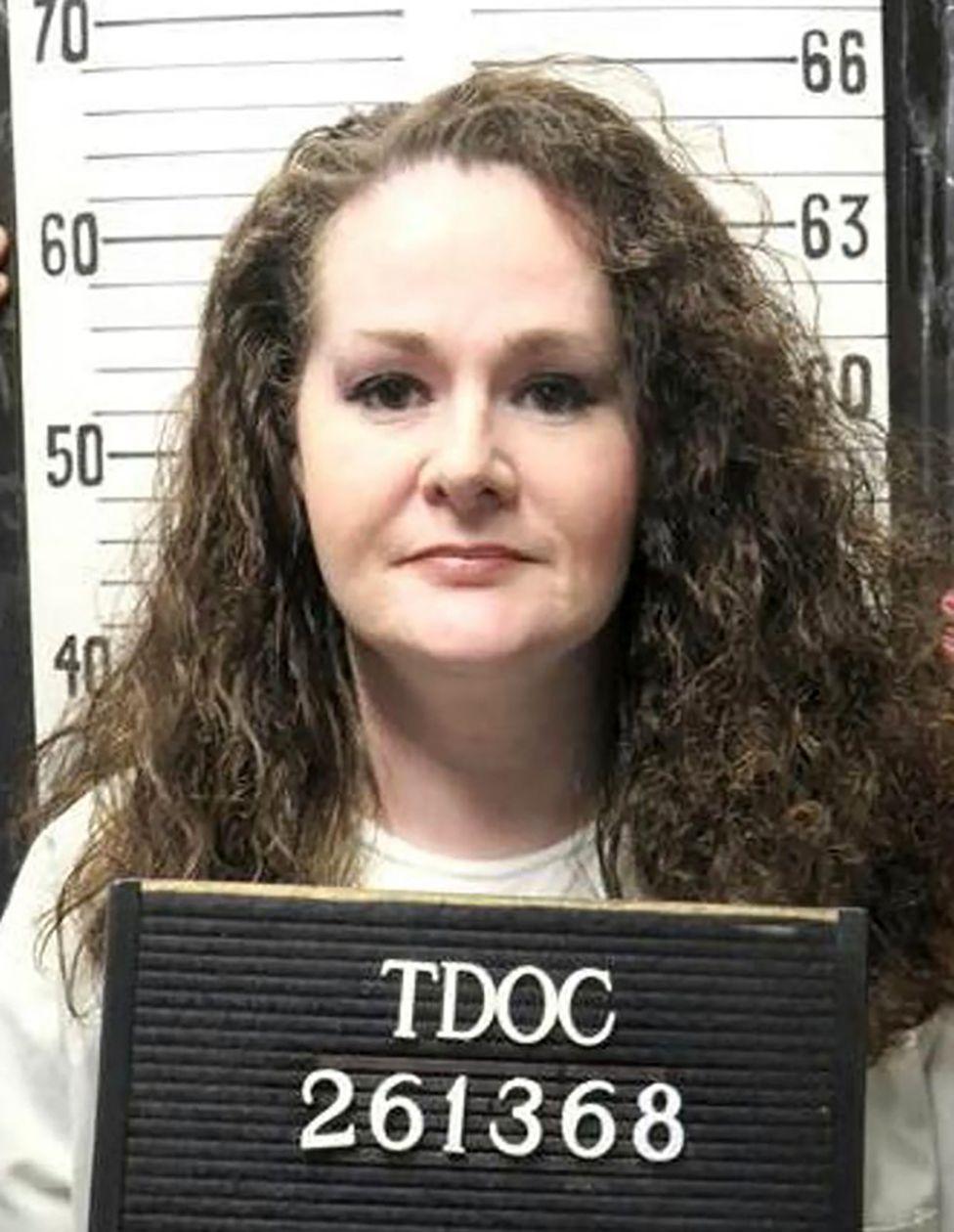
Christa Pike, a 50‑year‑old death row inmate in Tennessee, was declared survived after two injections of the drug pentobarbital failed to stop her heart, according to her lawyers. The botched attempt occurred on Wednesday and prompted Governor Bill Lee to order a comprehensive review and suspend all executions in the state for the year.
How the injection went wrong
Pike had been sentenced to death in 1996 for the 1995 murder of 19‑year‑old Colleen Slemmer. The state protocol calls for two doses of pentobarbital, but witnesses reported the inmate still had a pulse and was audible after the second shot. The official department statement said the formula “has consistently been effective,” but the lawyer denied the drug was “degraded.”
What’s next for Tennessee and Pike?
Pike was taken to a private hospital for “life‑saving measures.” Her attorneys say her prognosis remains uncertain, while a medical professor warned of possible brain injury given the delay before resuscitation. Historians note that the U.S. Supreme Court has previously allowed a second attempt after a botched execution, but the current legal pathway remains unclear.
The drug and the controversy
Pentobarbital, a high‑potency sedative, has been used in lethal injections for decades. A 2025 federal review raised concerns about the drug’s potential for unnecessary pain; the Biden administration banned its use in federal executions, but states like Tennessee retain the choice.
Historical precedents
The failed attempt is not the first in Tennessee; earlier in May 2026 the execution of Tony Carruthers was postponed after staff could not locate an injection vein. In 2024, Alabama proceeded with a second execution for a different inmate after a failed first attempt.

The case has reignited debate over the ethics and legality of lethal injection, the quality of drugs used, and the potential for cruel and unusual punishment under the Constitution.