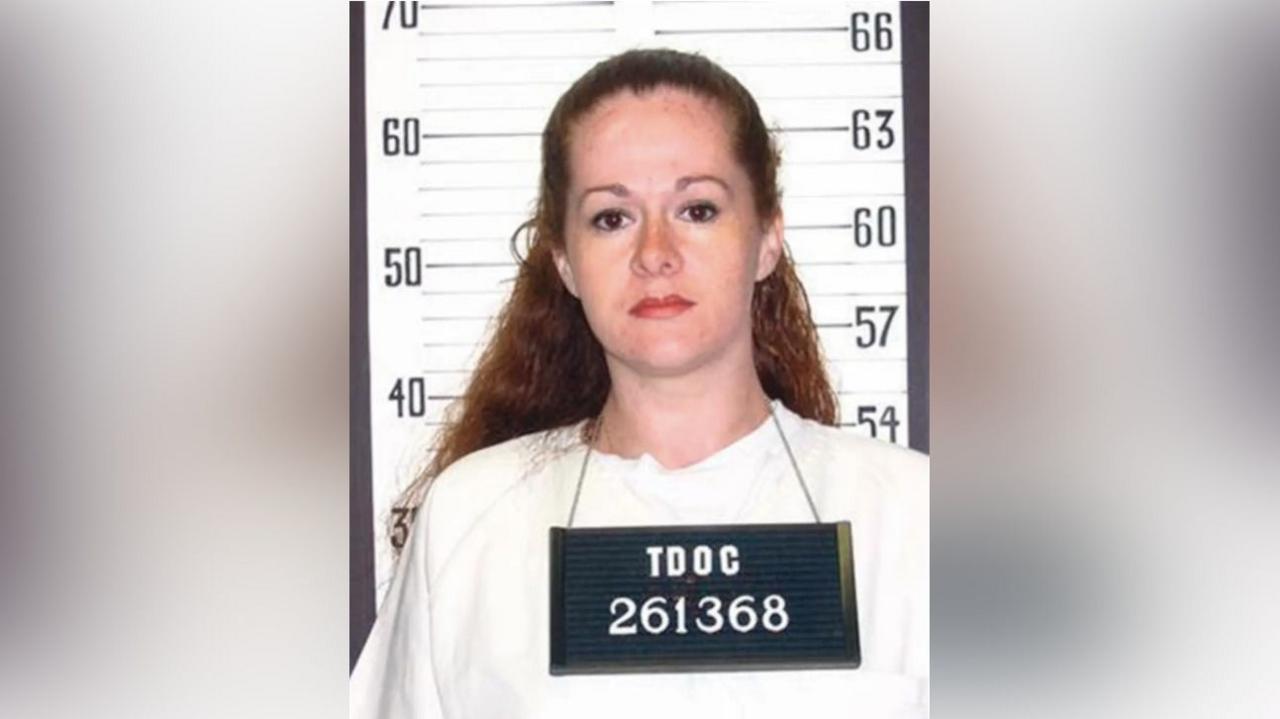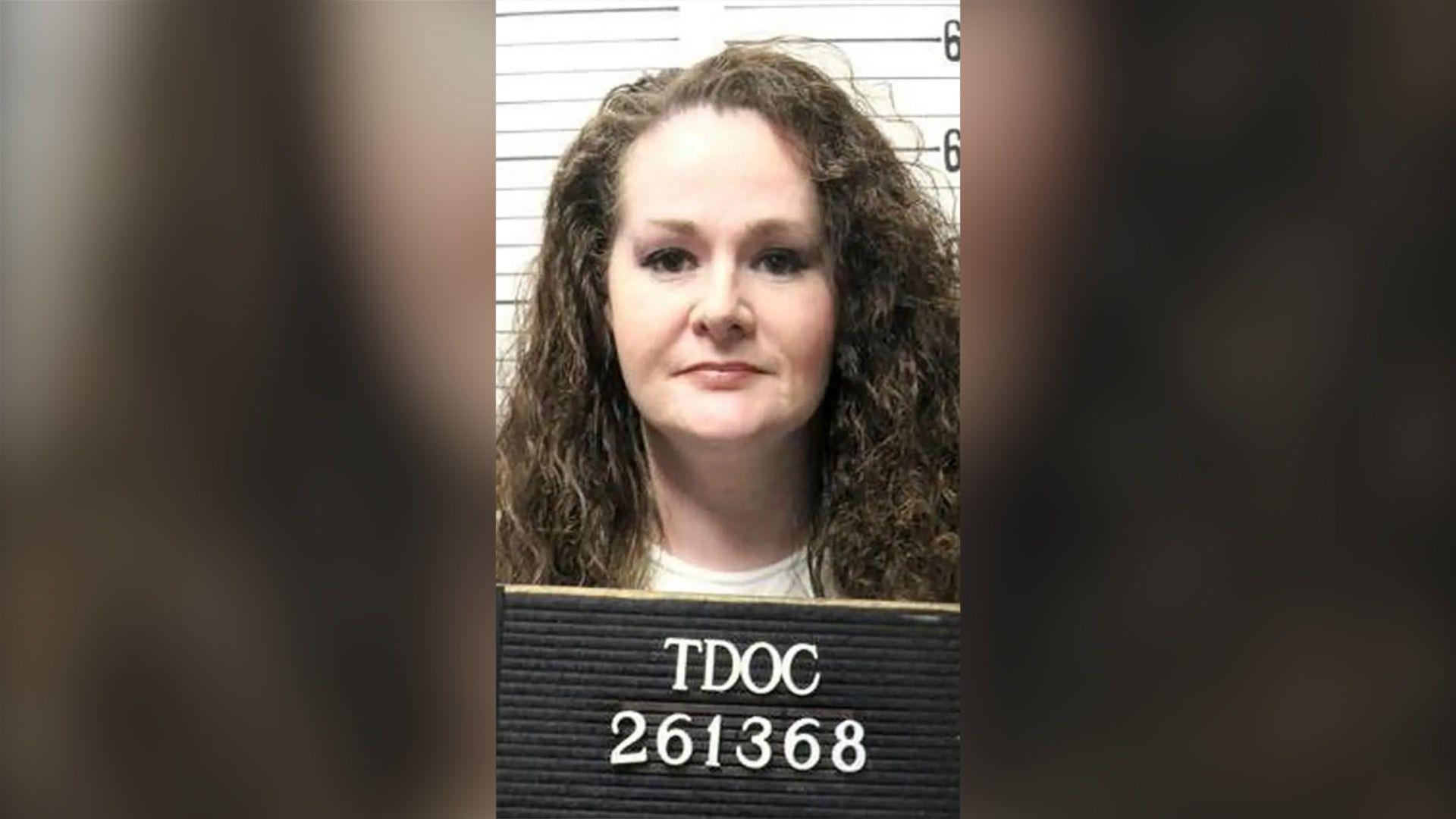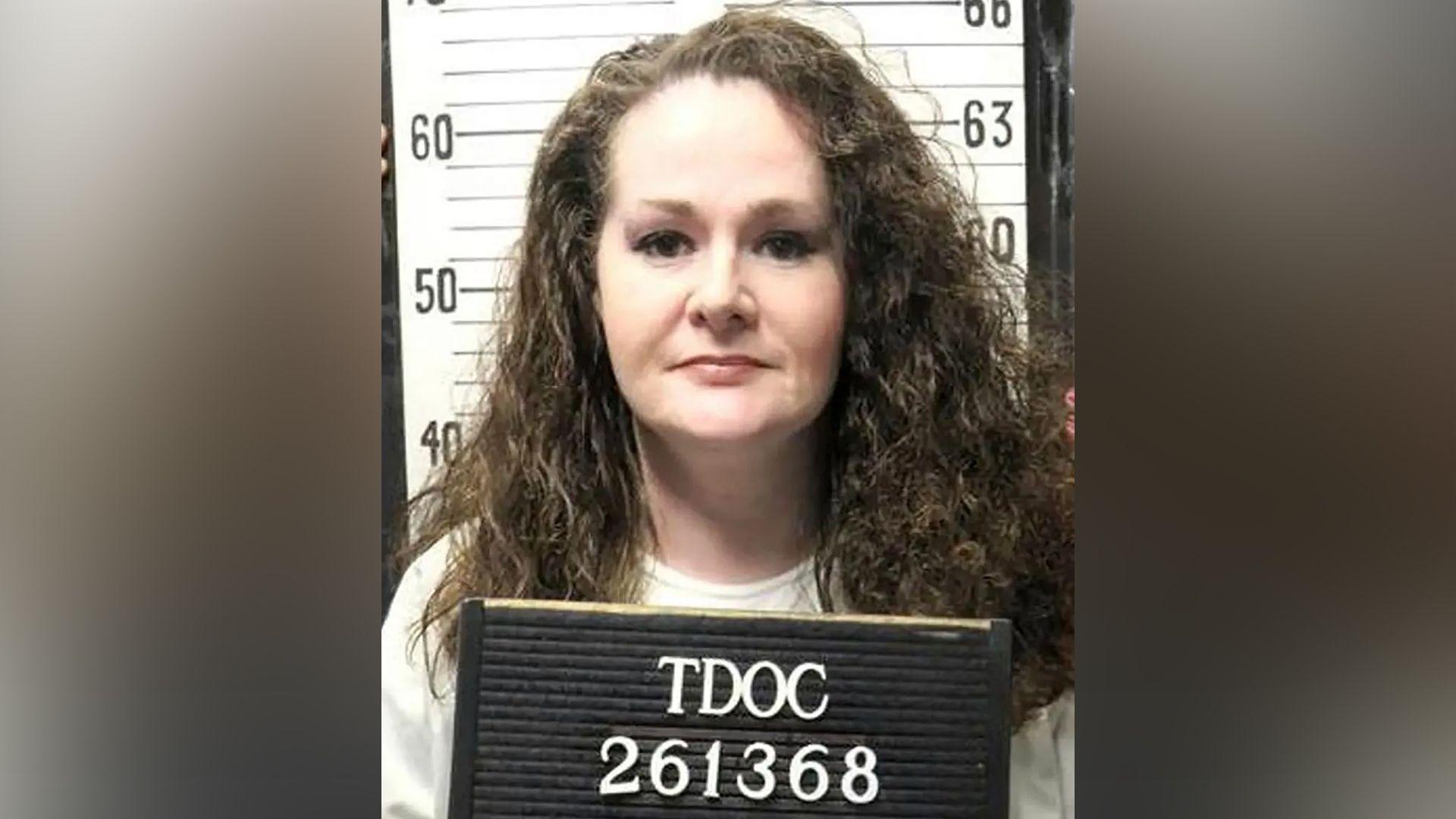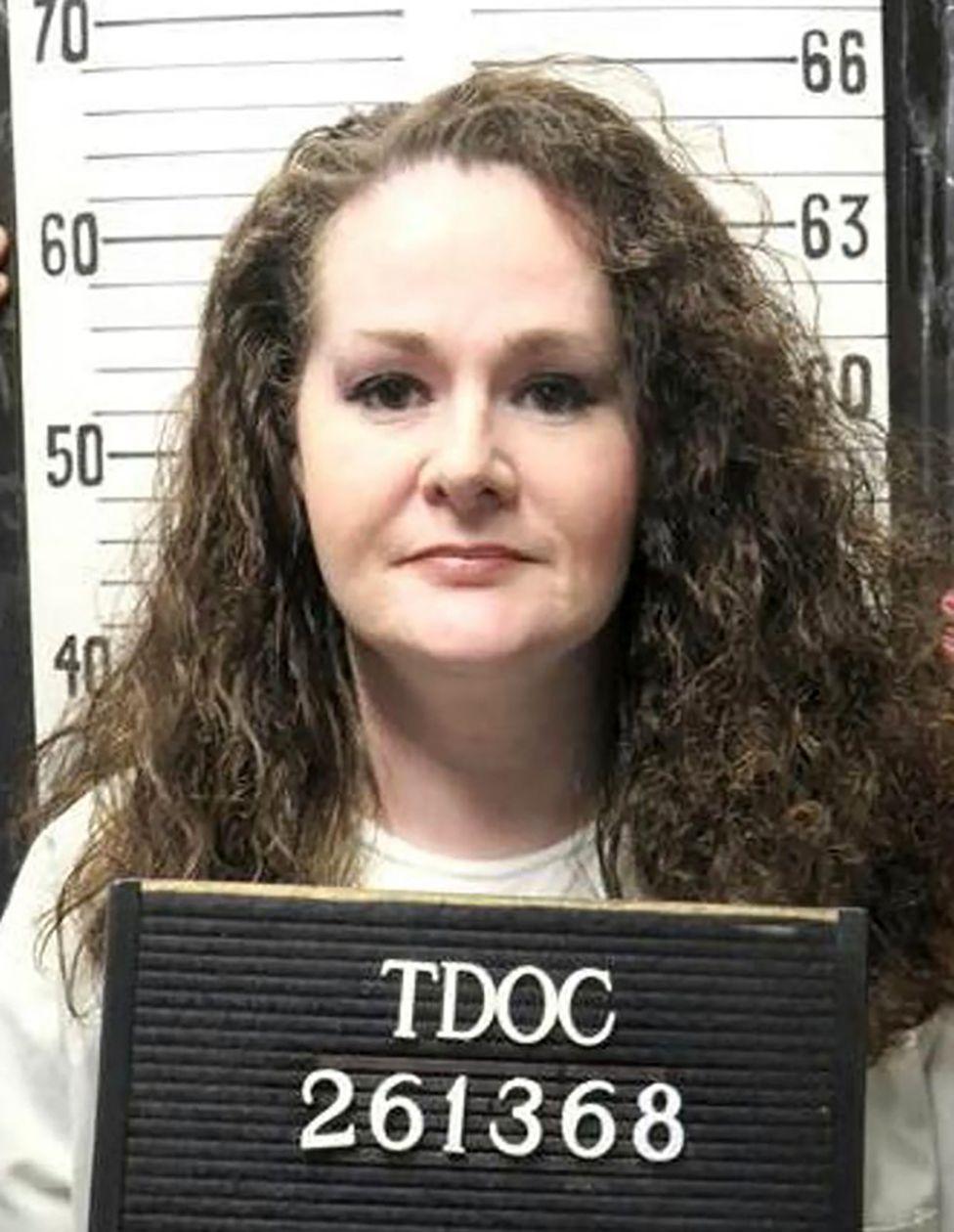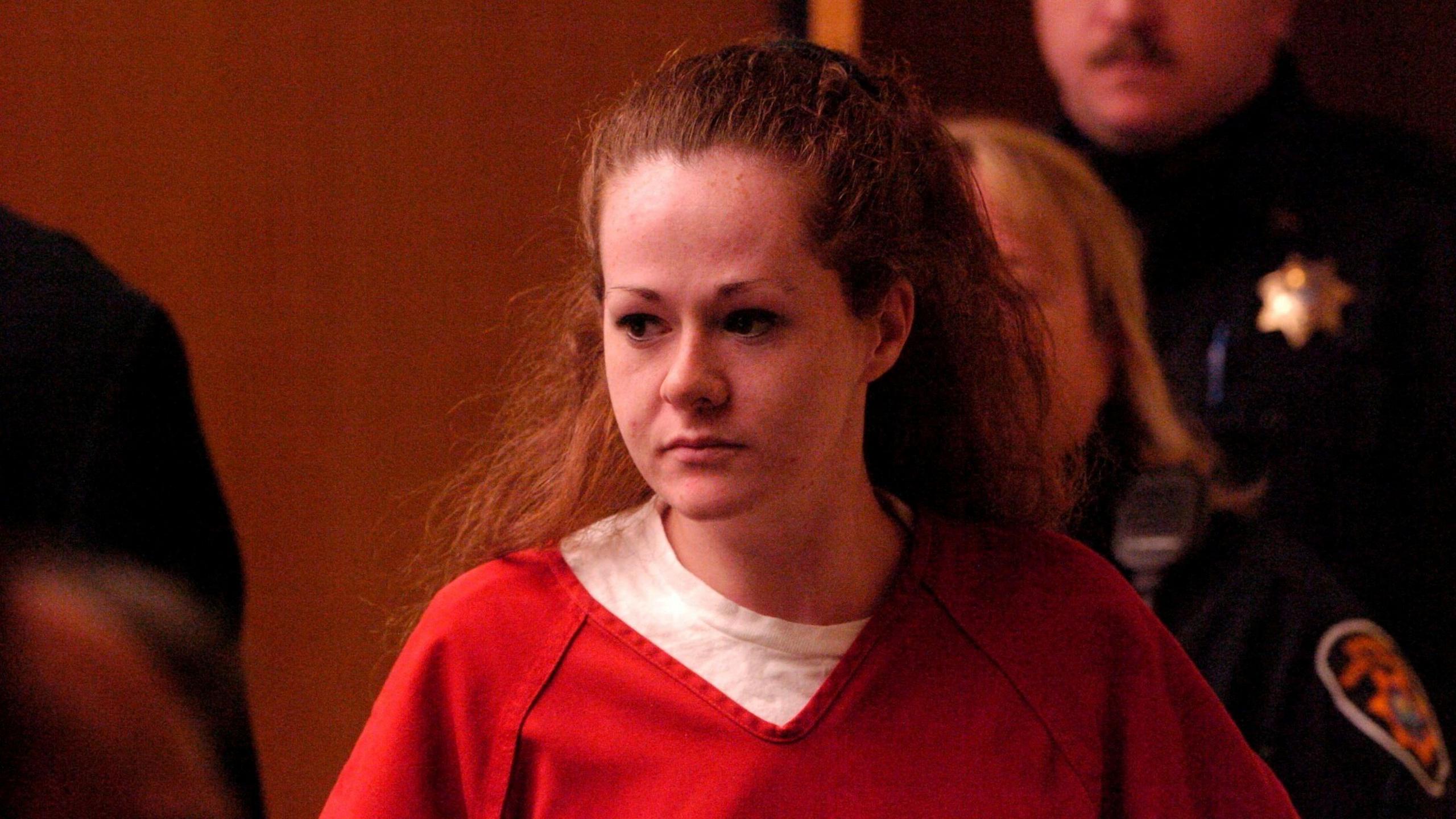

For the first time in history, a Tennessee death row inmate survived two lethal injections. Christa Pike, 50, was left breathing and snoring after the state administered the drug pentobarbital twice, without the fatal effect the protocol demands.
The incident prompted Governor Bill Lee to suspend all executions in the state and commission an independent review of lethal‑injection procedures. Tennessee’s official protocol calls for a second dose only if the first fails, but it does not outline what to do if the inmate remains alive after the second injection.
The case has reignited criticism of the U.S. death penalty’s execution methods, especially after a decade‑long shortage of drugs has forced states to use alternative, and sometimes untested, formulas. Some states have even considered returning to firing squad alternatives.
Reporting veteran Michael Graczyk, who has covered nearly 500 Texas executions, said he had never seen an execution succeed after a single injection and expected the inevitable failure after a second dose. He recalled witnessing 45‑year‑old Jonathan Nobles’ execution in 1998, a moment that still resonates with him today.
Killer Christa Pike’s victim, 19‑year‑old Colleen Slemmer, was a Florida native who was murdered with Pike’s help in 2007. Slemmer’s mother, May Martinez, attended the ill‑fated execution and later described it as a “mess”. Victims’ families, often overlooked in the public debate, expressed their sorrow and frustration over the lack of closure.
The Concord‑based pro‑death‑penalty think‑tank Death Penalty Information Center recorded 64 botched executions since 1982, 51 of them involving lethal injections. Historically, Texas has carried out the most executions—602 since the death penalty was reinstated in 1976.
Pike remains in hospital, receiving “life‑saving care,” according to her lawyer, as the state wrestles with how to move forward on the death row table.