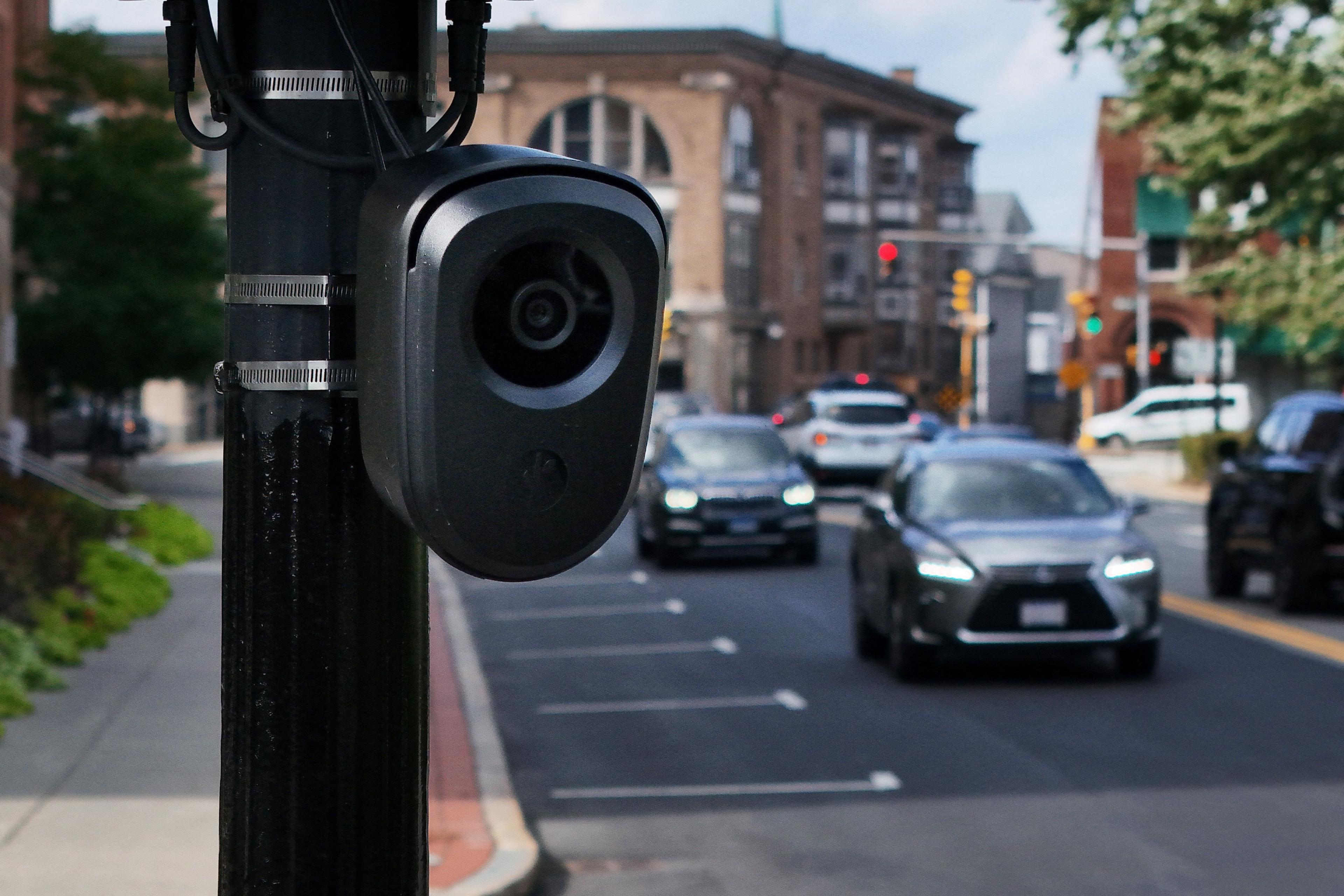
Flock says its cameras make US safer – so why are they being sabotaged?
In the tree‑lined streets of Houston’s historic Old Braeswood neighborhood, four surveillance cameras were cut down in the middle of the night, an act that surprised residents and law‑enforcement officials alike. The metal poles that once supported bright black‑oval cameras and solar panels now lie broken on the ground, a stark reminder of the growing debate over widespread, AI‑powered public surveillance.
A New Age of Surveillance
Founded in 2017, Flock Safety has become a key player in the United States’ automatic licence‑plate reader (ALPR) market. Its cameras capture images of the rear of every vehicle that passes by, storing footage for a set period and allowing law‑enforcement officers to query vast databases for a quick match. According to company filings, Flock works with more than 7,000 communities across the country and estimates a network of roughly 100,000 cameras.
In Houston, the METRO Transit Authority owns 35 cameras but can access approximately 20,000 devices within the Flock network, spanning from Houston to Albany County in New York. Educational districts and other municipal agencies increasingly tap the network, with the Cypress‑Fairbanks school district utilizing 270 networks in 2024 and 500 networks by April 2025.
Critics argue that such a national database could track civilian daily life. “You could pull up a route to work, where your child goes to school, where you worship,” says Christopher Rivera of the Texas Civil Rights Project, highlighting privacy concerns and the potential for misuse.
Law‑Enforcement Support and Controversy
Chief Ray Schultz of the Memorial Villages Police Department touts Flock as a critical tool: before purchasing the system, the department typically recovered only three stolen cars per year; after implementation, the figure rose to 45. He notes that investigative searches previously impossible are now routine, citing a recent case where an elderly woman with dementia was located 60 miles from her home after being lost.
However, high‑profile incidents have surfaced. In Kentucky, a police officer was charged after using Flock to track a protected individual over 2,000 times. In Texas, a detective searched 80,000 images over a 7‑day period to locate a woman suspected of abortion without a warrant.
The Role of Facial Recognition and Federal Engagement
While Flock does not claim to use facial‑recognition technology, Harris County’s “Clearview AI” employs a database of over 70 billion images scraped from public sources. Publicized contracts show the county’s use of this technology remains active until March 2027.
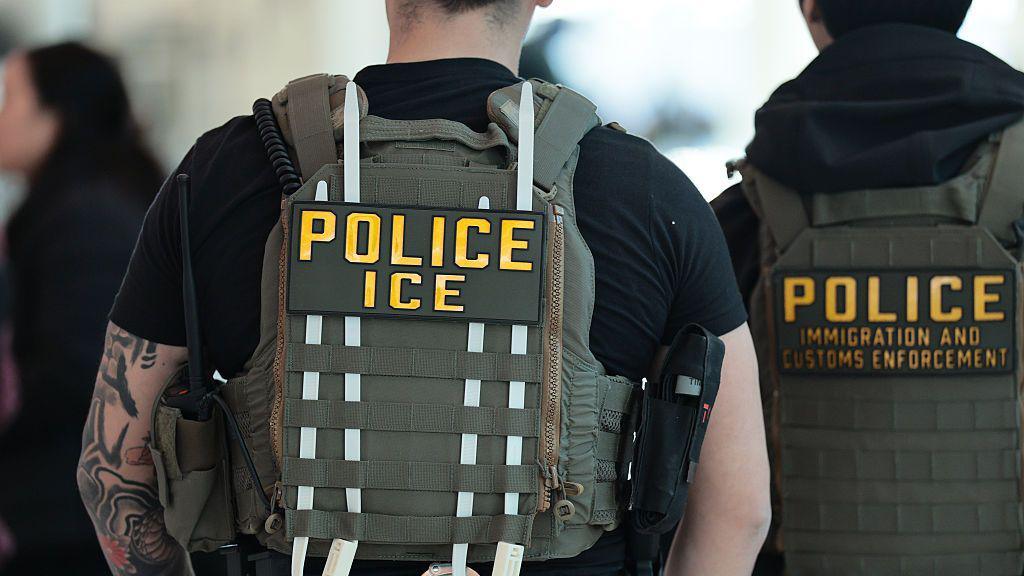
There is no direct contract between Flock and the federal Immigration and Customs Enforcement (ICE), but some police departments collaborate with ICE, raising fears that data could be shared under the guise of immigration enforcement. In Harris County, a contract amendment once included explicit authority to share camera data with federal law‑enforcement, but was removed after community backlash.
Corporate Reactions and Legislative Pressure
Garrett Langley, Flock Safety’s CEO and founder, has stated that municipal decisions on data retention and sharing lie with individual cities, not the company. He outlined policy changes that reduced default data retention from 30 days to seven days and mandated audits. Still, some settings allow longer storage.
Over 200 communities have cancelled or not renewed Flock contracts since 2021, with more than 90 withdrawals in August alone. The trend reflects concerns over cost, privacy, and the potential for unauthorized surveillance. Republican Congressman Keith Self has introduced legislation that would require federal agencies to obtain warrants before accessing Flock data.
Public Sentiment and Community Action
Jasmine Khadem Gonzalez, an immigrant rights organiser, reports feeling “stalked” by the presence of Flock cameras near her home, fearing that ICE could be indirectly reached. She adjusted her commute to avoid patterns that could be traced.
The ongoing vandalism raises larger questions about public trust in technology and the balance between safety and autonomy. While police argue that the cameras aid in missing person cases and crime prevention, civil‑rights advocates warn that expansive surveillance can erode privacy and lead to discriminatory practices.
The debate continues as Flock, civil‑rights groups, and lawmakers negotiate a future where “safety and privacy coexist.” The cameras in Old Braeswood represent a microcosm of the national conversation: the friction between technological advancement and the public’s right to privacy. As cities decide whether to keep or cancel their agreements, policymakers must address the systemic implications for communities across the country.