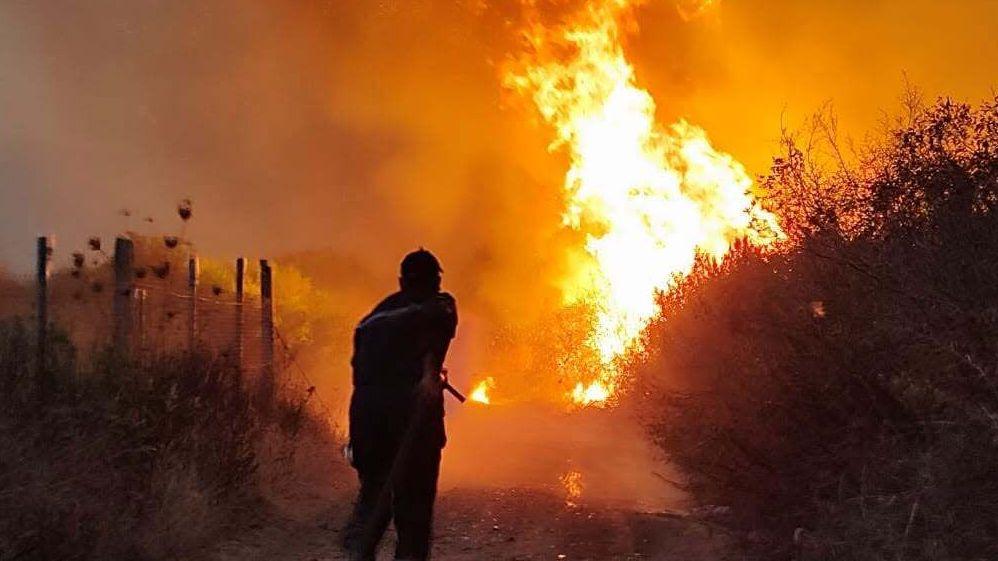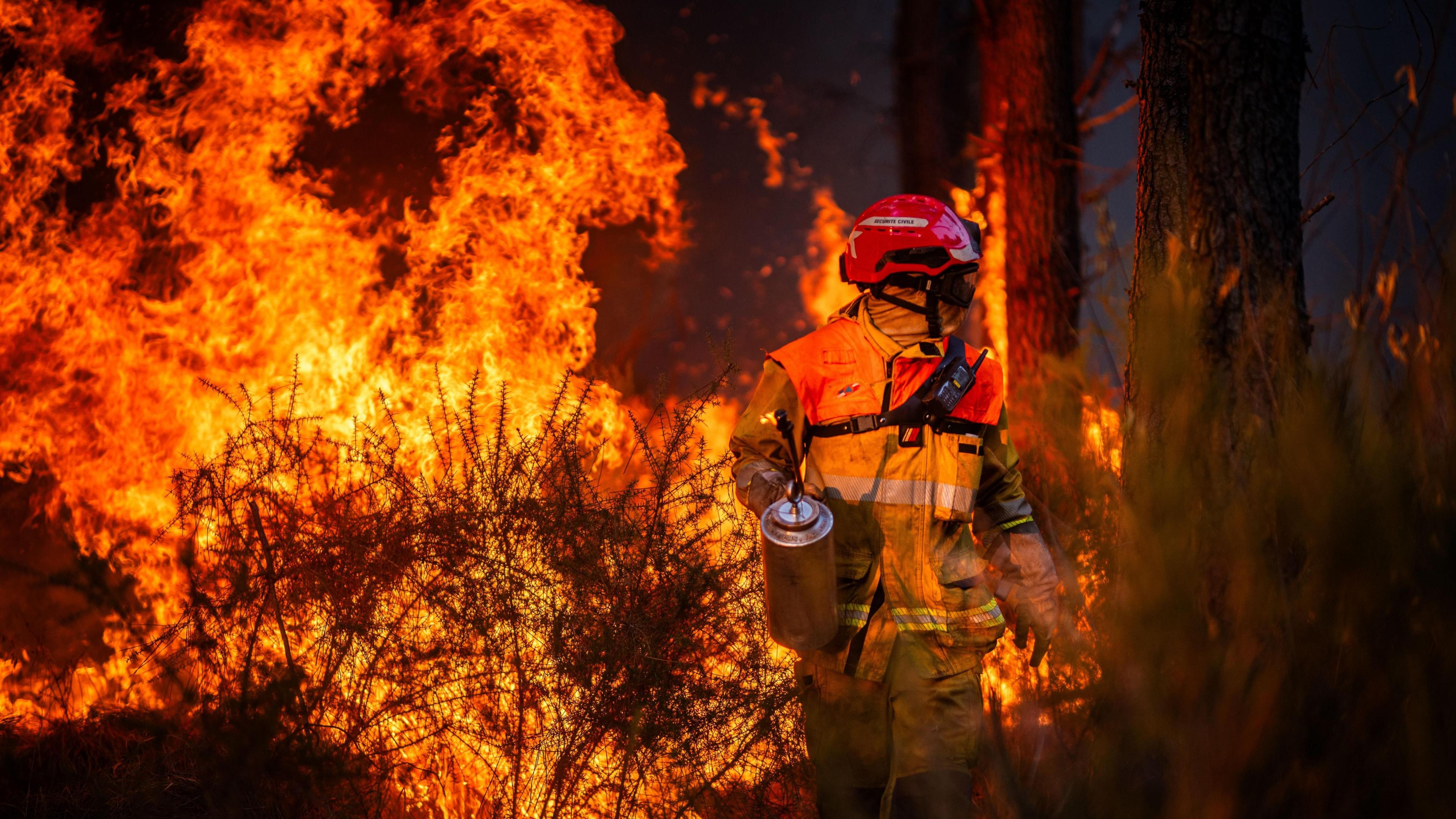
Hospitals, homes, and tourism hubs across France have felt the fury of wildfires that this year have consumed more ground than any summer since World War II. Hundreds of people—two‑hundred‑and‑seventy‑one in total—have been legally charged, including minors and alleged arsonists, as the Interior Ministry seeks a clear narrative in the midst of a climate crisis.
Who is to blame?
Nine out of ten of the recent fires are traced back to human activity, according to independent investigations. While the official line is that most incidents are accidental, a handful of deliberate acts—such as a 23‑year‑old who allegedly set ten fires over five days—have led to the harshest legal penalties.
Legal experts argue that the swift arrests, which included 166 minors, raise questions about consistency and fairness. Some cases, like the alleged arson by a homeless individual or a fire sparked by a cigarette butt, have faced criticism for disproportionate sentencing.
The climate backdrop
Climatologists broadly agree that the increasing intensity of French summer heat, combined with lower humidity, creates an environment where even minor ignition sources can ignite large conflagrations. “A simple lighter can start a fire under these conditions,” explains fire investigator Eric Dufayet, who maps fire outlines and traces them back to their ignition points.
In periods of drought, the “30° rule” applies: temperatures above 30°C, wind under 30 km/h and 30 % humidity can elevate ignition risk. With many fires reportedly began by discarded cigarette butts or barbecues, preventative measures need to be framed in the context of an increasingly hostile climate.
Legal and societal responses
- Conservative voices defend the arrests as a necessary deterrent, citing the risk of future damage to forests, homes and economies.
- Pro‑civil‑rights groups argue the legislation may target vulnerable populations and obscure systemic shortcomings in forest management.
- President Macron emphasised that immediate criticism may distract from a broader strategy of forest regeneration and climate adaptation.
Experts like Professor Michel Lejoyeux outline three motives behind fire starts: negligence, financial incentive, and pyromania, the last being rare. Meanwhile, lawyers such as Muriel Gestas note that some actors—firefighters or volunteers—may have inadvertently contributed to incidents while attempting to combat the blaze.
Looking ahead
The Bulletin of climate models forecasts another severe heatwave within weeks, underscoring the urgency of better prevention and resilience plans. While courts scrutinise each case, national media and scientists highlight the need for clearer guidelines, stricter penalties for intentional arson, and increased public education on fire safety.
Together, the situation illustrates a complex mix of environmental, human, and institutional factors that shape how France, and indeed the world, confronts the ever‑heightening threat of wildfires. A balanced response will likely require coordinated action across legal, scientific, and community spheres to reduce human fault and strengthen forest management in a warming climate.