UN Intensifies Relief Efforts as Nepal Faces Devastating Floods
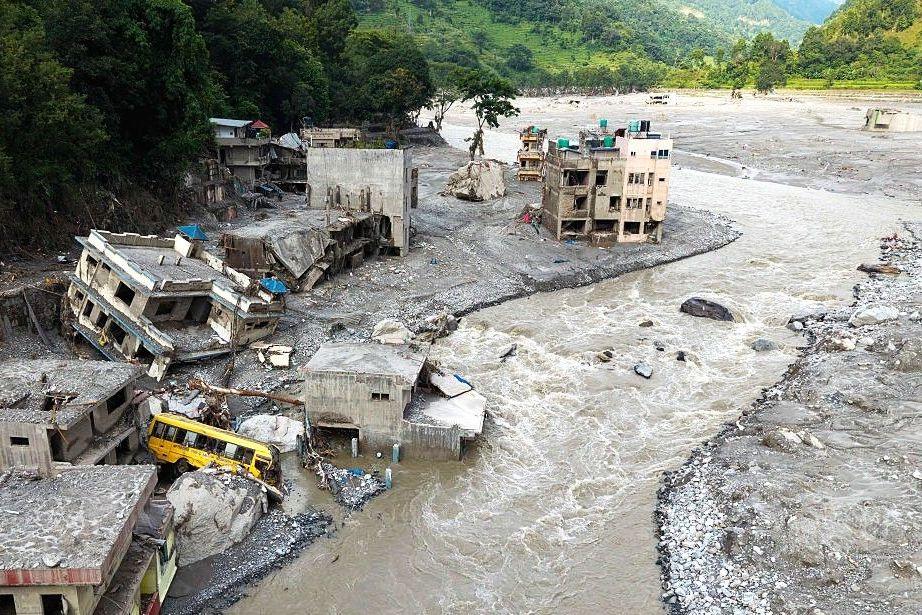
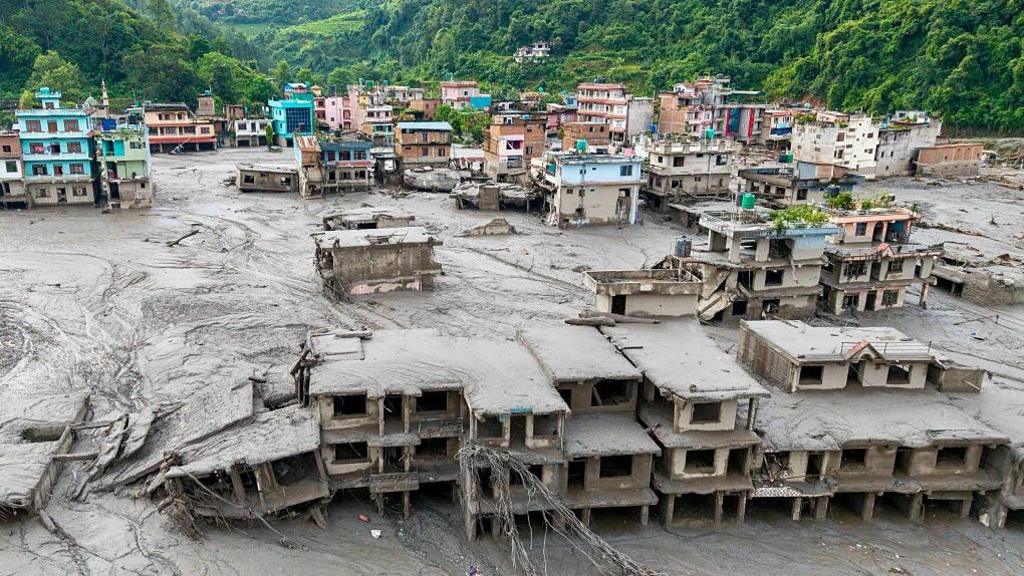
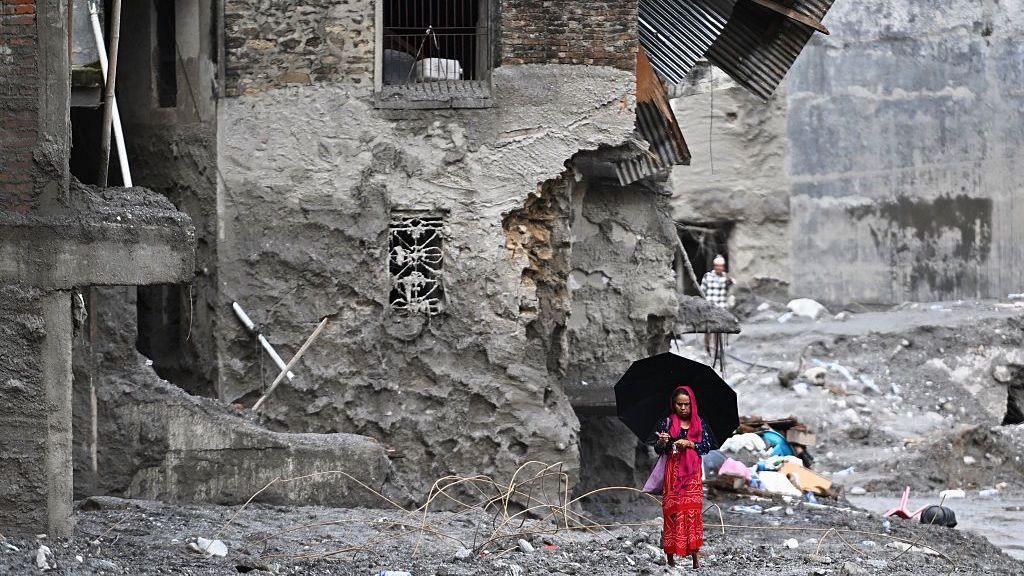
The deadly flash flood that swept across the Nepal‑Tibet border on August 26 has left the nation in crisis, with the UN declaring an intensified relief and recovery mandate amid soaring casualties and missing persons.
Casualties and Missing
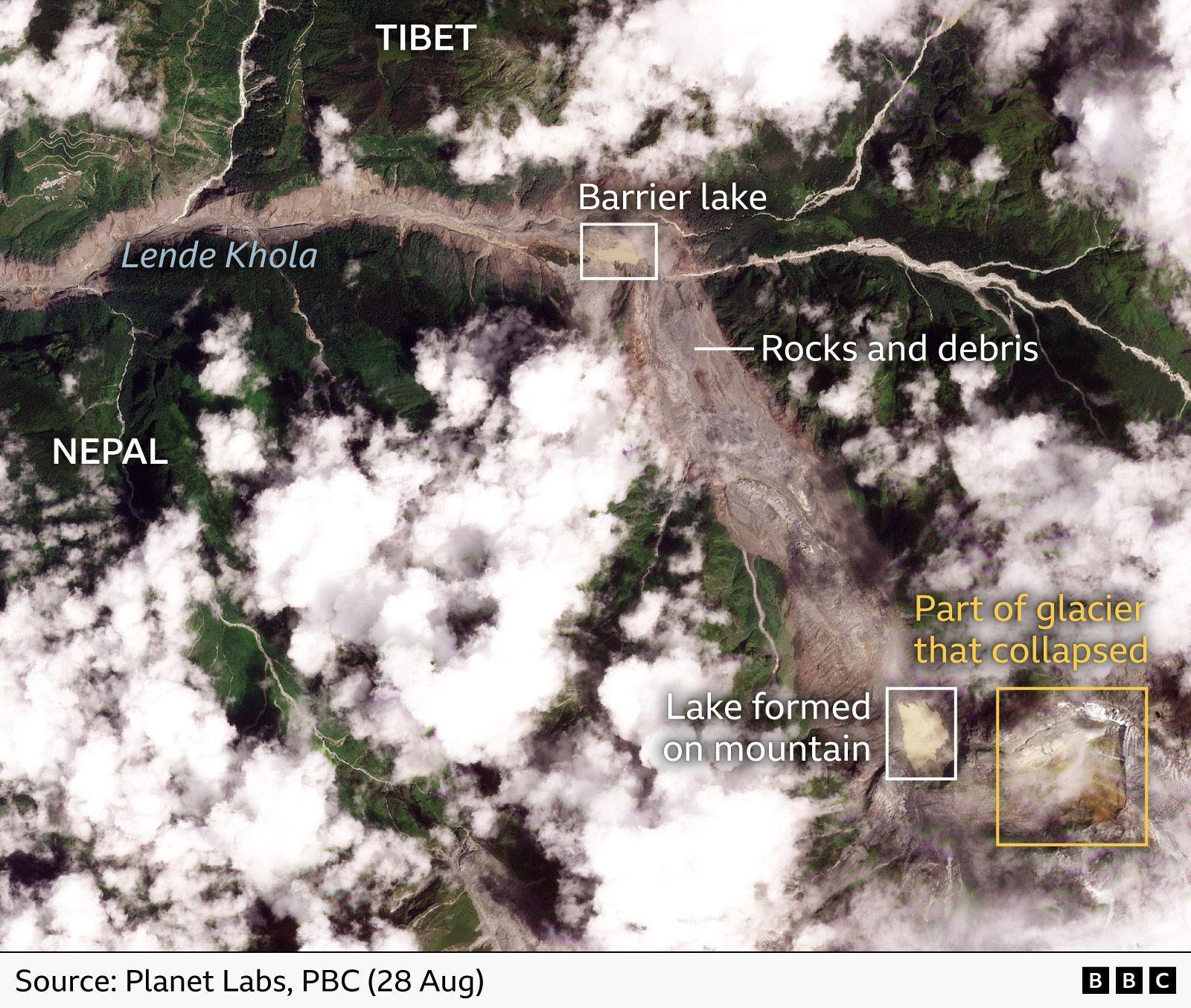
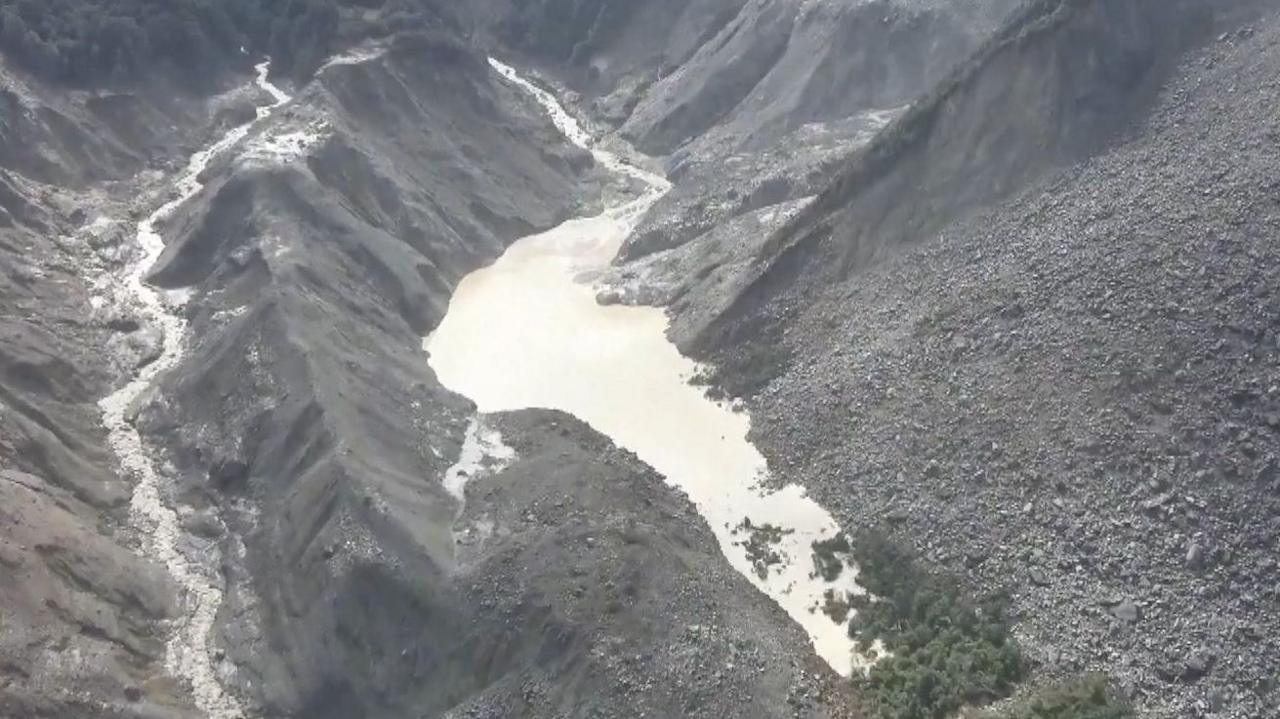
Official figures list 1,200 dead and 4,200 missing in Nepal, while Chinese state media report 21 deaths and 540 missing on the Tibetan side. The largest worst‑case scenario in decades reflected a sudden glacial collapse that sent mountain torrent water racing through villages.
RESCUE WORK ONGOING
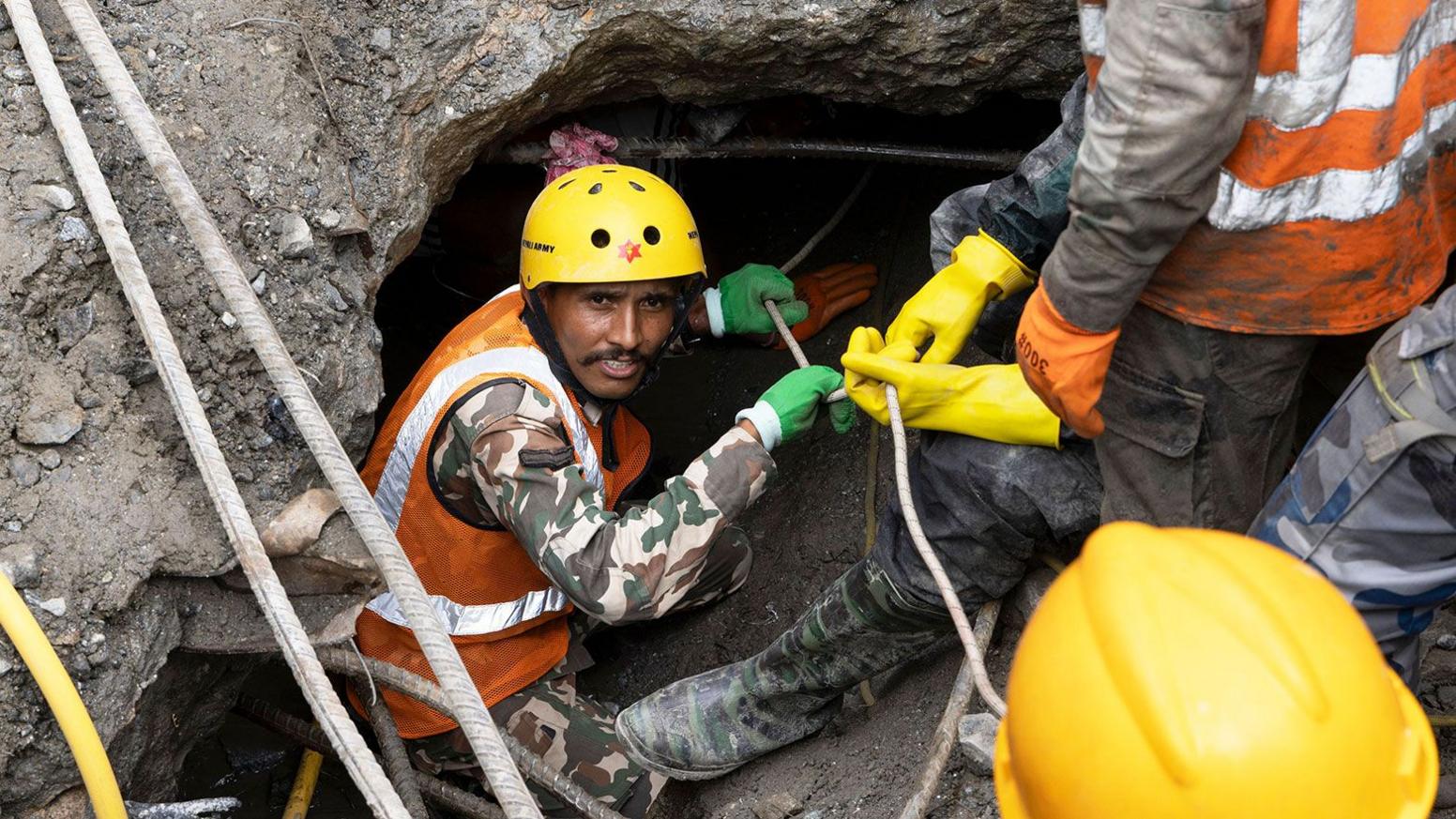
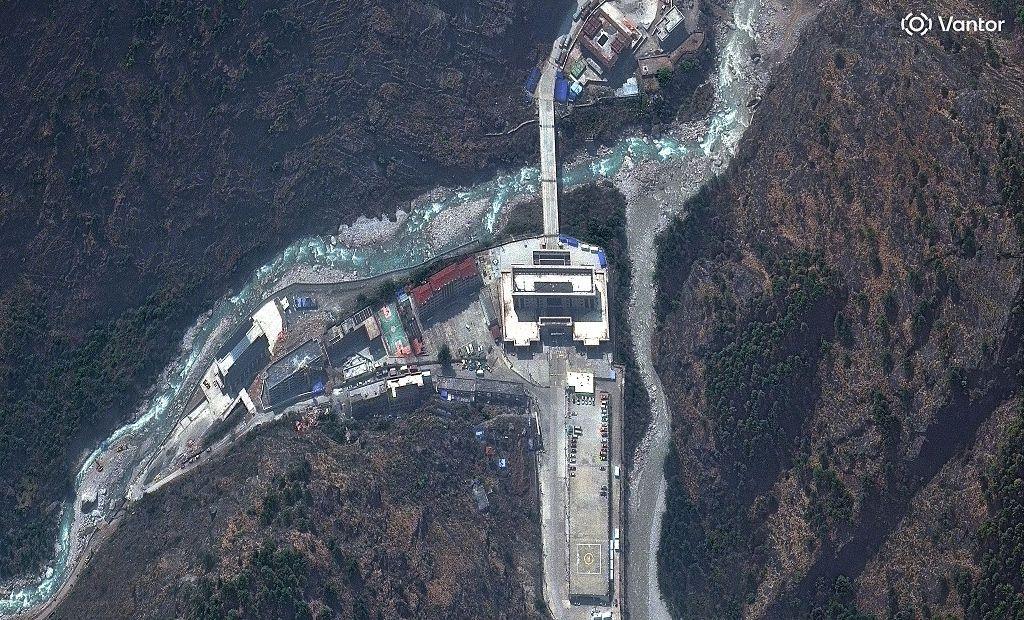
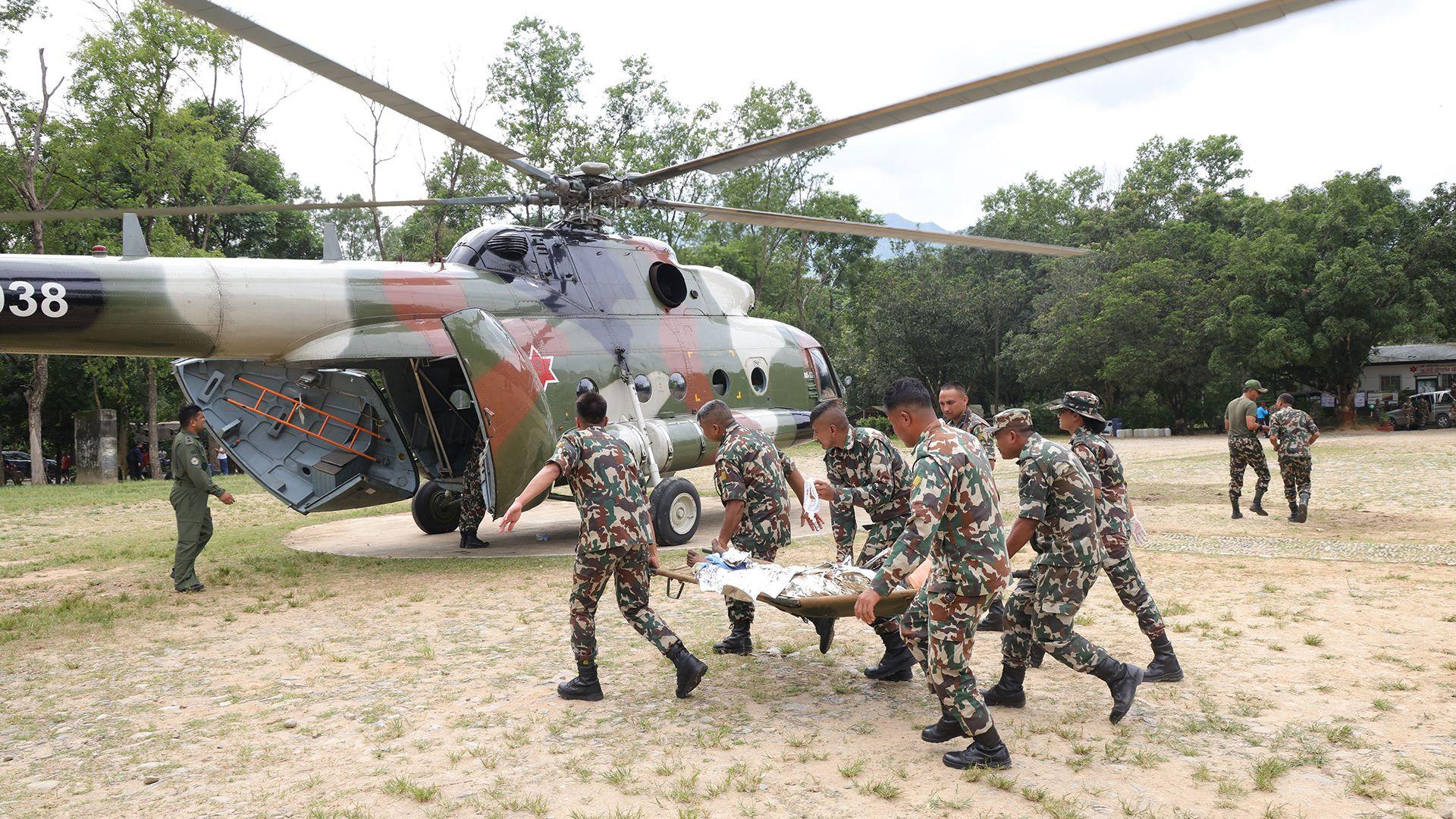
Hundreds of rescue workers are believed trapped in collapsed hydropower tunnels in Nepal’s Silchow valley, while Chinese teams clear debris and re‑open the Gyirong border crossing to accelerate search operations. Drones are deployed by both nations to scan remote areas where people are still believed alive.
Government and UN Response
Prime Minister Balendra Shah announced a three‑month disaster declaration, allocating financial aid to families of the dead, relocating the displaced and deploying army forces. The UN’s Office for the Coordination of Humanitarian Affairs (OCHA) urges that “a clear understanding of the complex terrain and strong early‑warning mechanisms are needed” to mitigate future risks.
Climate‑Change Link
Experts warn that the Himalayan glaciers are retreating under warming, offering a likely trigger for the flood. Calls are being made for international support to build resilient infrastructure in the region.
Impact on Communities
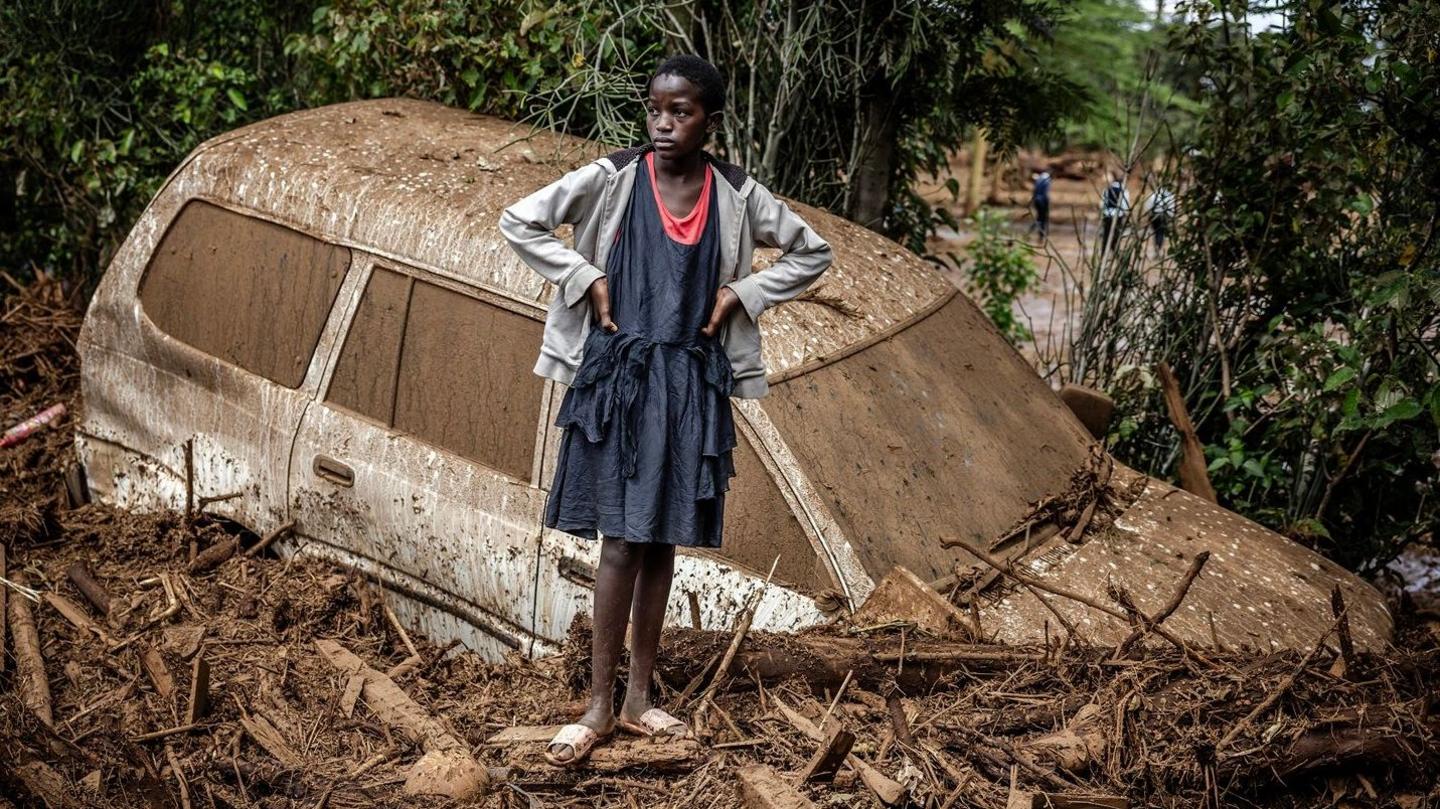
Nearly 3,500 people were left homeless across Nuwakot and Rasuwa districts, with schools turned into shelters, water contamination and damaged health sites raising risks of disease in the rainy season. Overcrowded camps, displaced persons and lack of electricity underline the urgency of the situation.
The Way Forward
The UN spearheads a four‑month humanitarian flash appeal, while Nepali authorities and allies coordinate long‑term aid in coordination with the global community. The floods have illuminated a previously unmet need for coordinated disaster planning and cross‑border communication in the fragile Himalayan corridor.