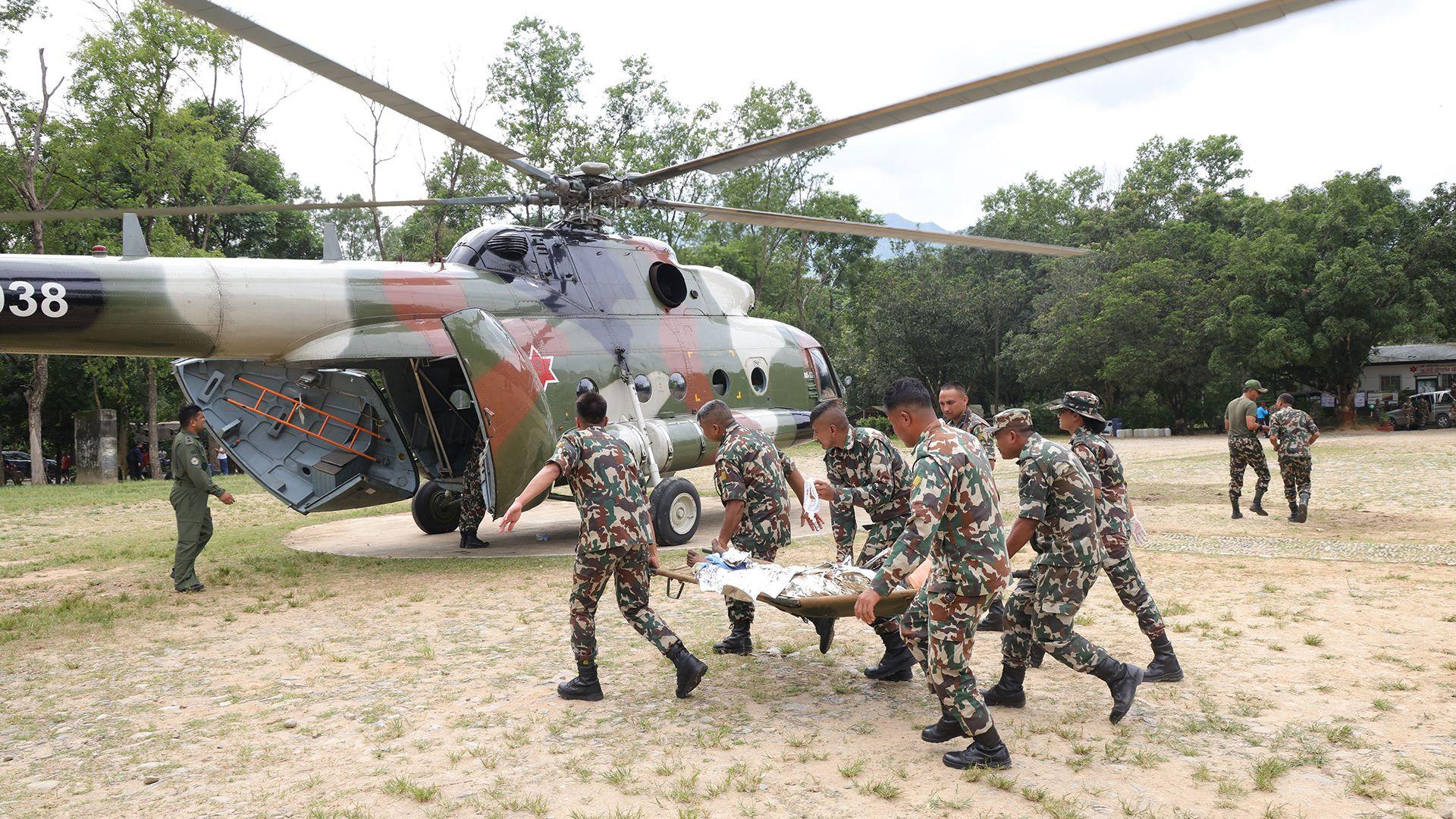
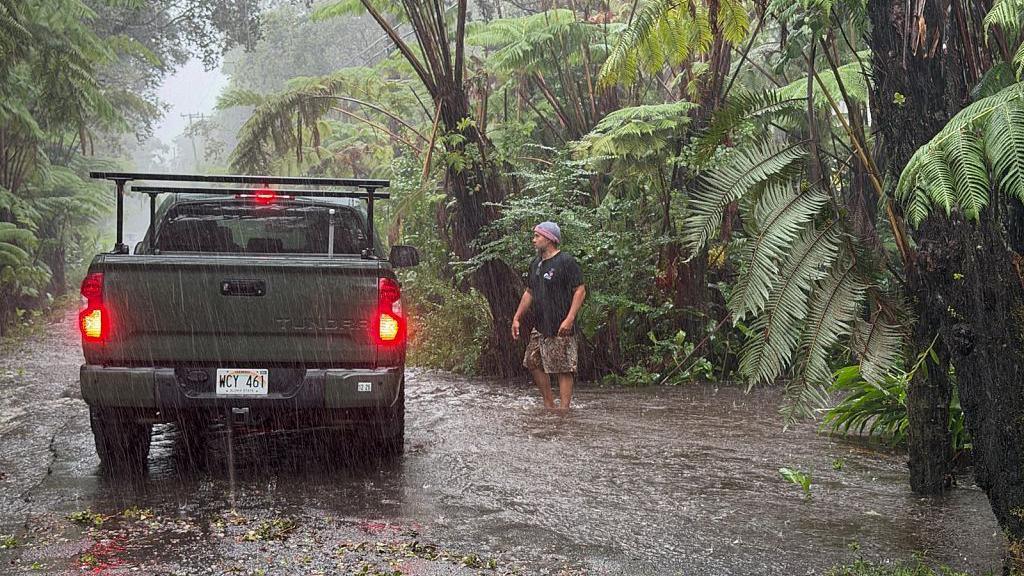
On the remote border between Nepal and Tibet, a series of extreme rainfall events turned rivers into raging torrents. The floods have displaced thousands of residents, buried villages under sand and mud, and cut off crucial road links that connect remote communities to the capital.
The Nepalese Ministry of Disaster Management confirmed that more than 1,200 people lost their lives and that many others remain missing. While the government continues investigations into the precise meteorological triggers, the urgency has shifted to what comes next: rebuilding the nation’s infrastructure at a price the country has not yet budgeted for.
The president announced that a reconstruction program will need to raise billions of dollars. Experts warn that the amount may have to cover wet‑proofing new homes, restoring bridges, rebuilding schools and protecting future flood‑prone zones. With the country’s total budget limited, international donors and the private sector are expected to fill the gap.
Bitcoin Nations is one of the world’s strongest points on climate change resistance. Yet, the floods demonstrate the country’s vulnerability to extreme weather, showing how low‑emission nations can still suffer catastrophic outcomes. Relief groups emphasise that without continuous funding, past reconstruction efforts may stall for months, preventing affected communities from regaining normalcy.