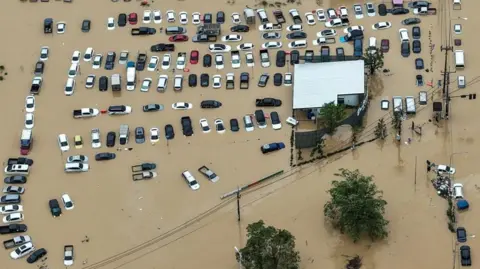
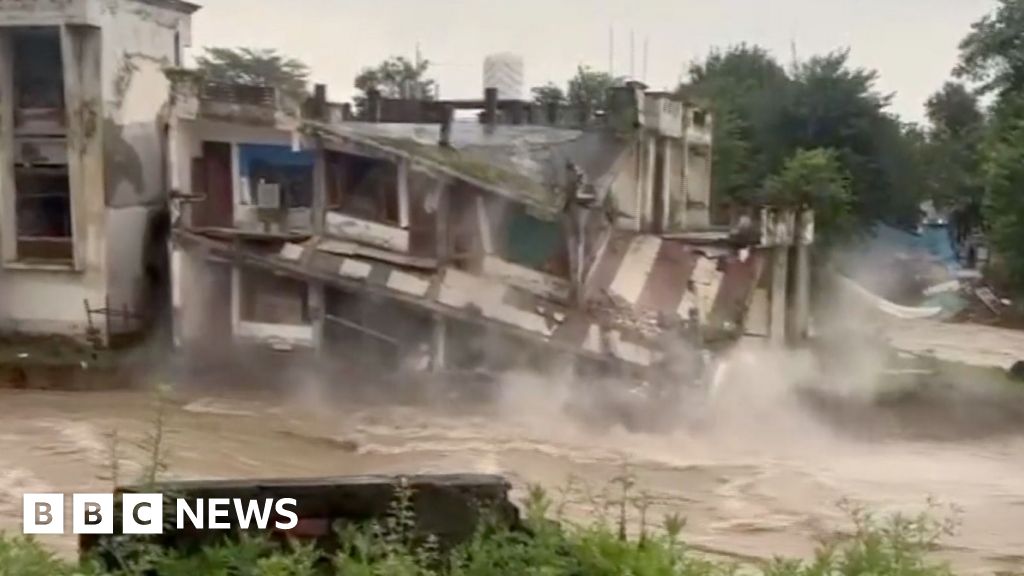
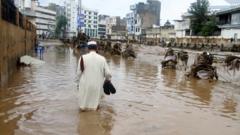
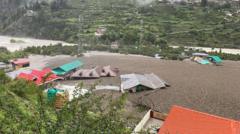
A violent flash‑flood event unfolded along the Nepal‑Tibet border last week, inundating rural communities and leaving more than 160 people dead and hundreds missing. Official reports from the Nepalese army show that rivers in the high‑altitude region surged suddenly, submerging villages and jolting roads into mud.
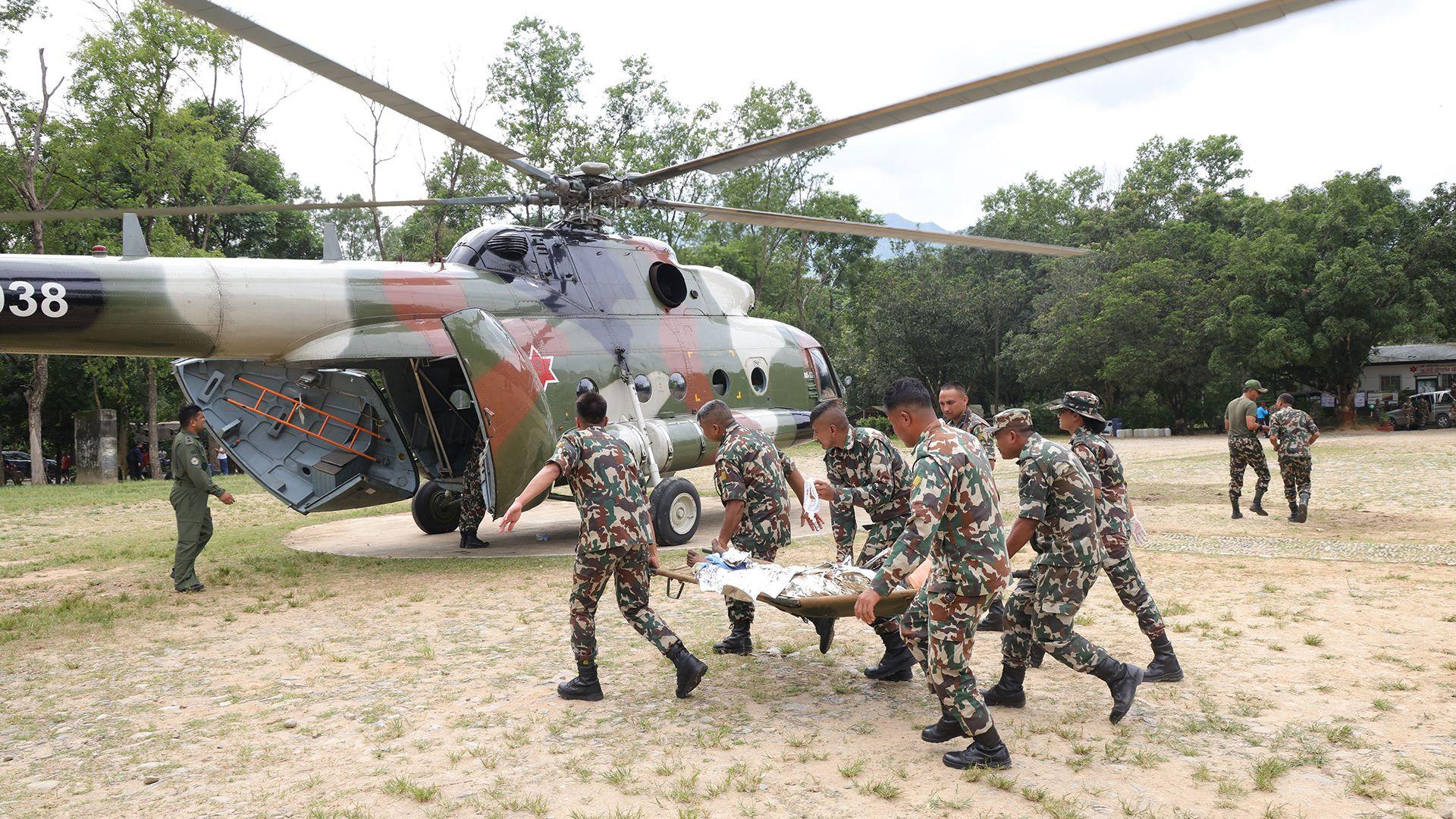
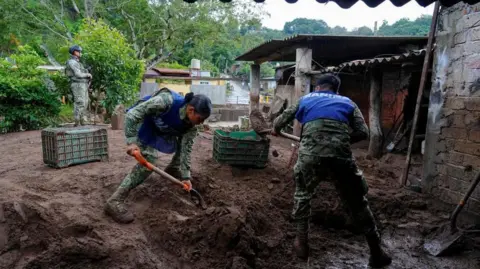
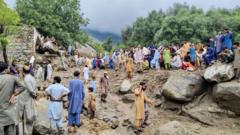
The Nepalese armed police and army units moved swiftly into the worst‑affected valleys, using trucks, boats, and makeshift gear to pull trapped civilians out of the mud. During the first 48 hours, rescue teams extracted more than 600 individuals, but many remain unreachable due to the rugged terrain on the Tibetan side.
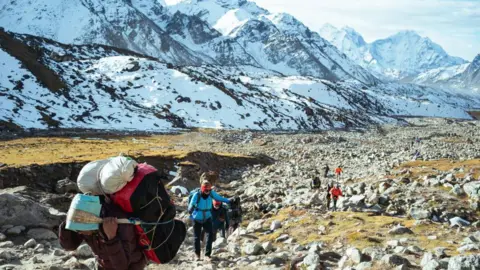
Local authorities in Kathmandu acknowledge that the border’s topography—high passes and steep gorges—has made access extremely challenging. The Nepalese Ministry of Home Affairs has dispatched additional engineers and emergency medical teams to support ongoing operations.
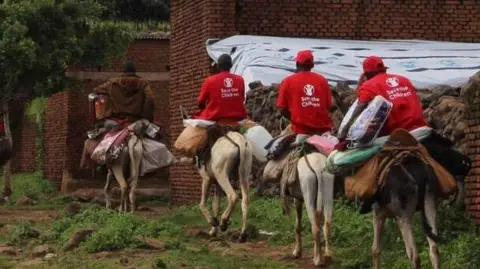
International humanitarian groups, including the Red Cross, have offered logistical aid and are monitoring the situation. A spokesperson for the United Nations Office for the Coordination of Humanitarian Affairs noted that continuity in relief efforts will depend on secure inter‑border cooperation.
The Nepalese government has called on residents in the high‑risk zone to stay alert, while the Tibetan side has reportedly erected makeshift barriers to limit further water flow. Despite the daunting landscape, the joint effort aims to clear the flooded areas, provide temporary shelters, and assess long‑term reconstruction needs.