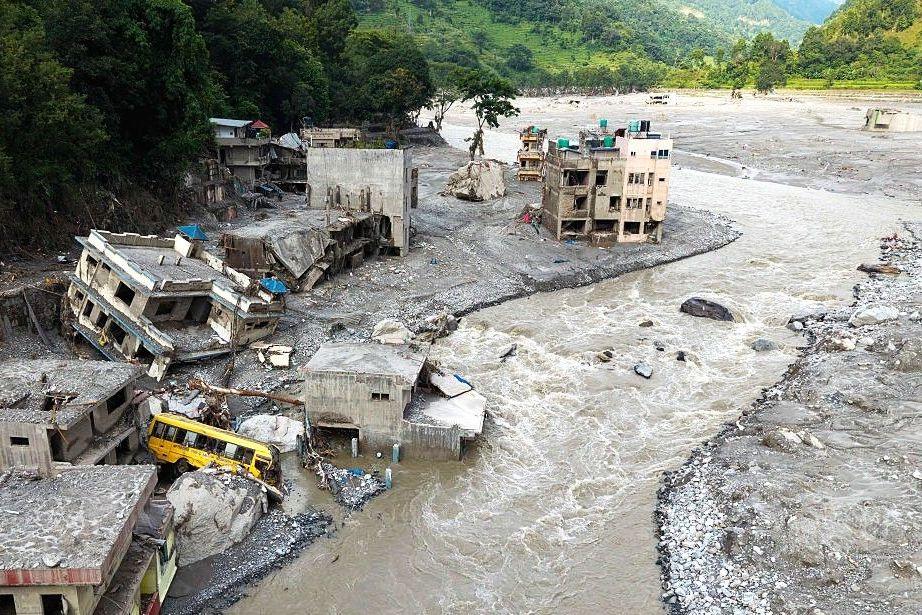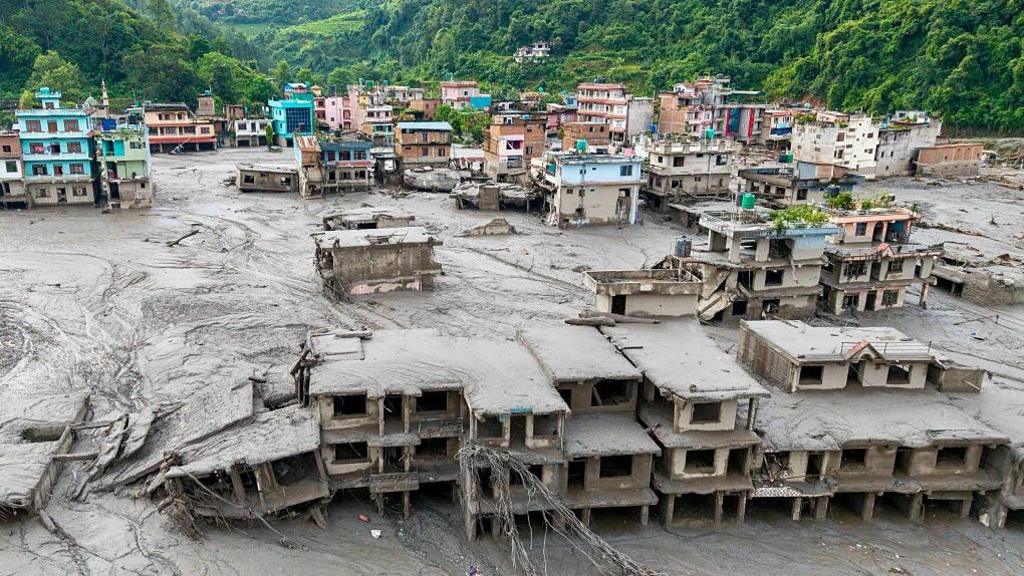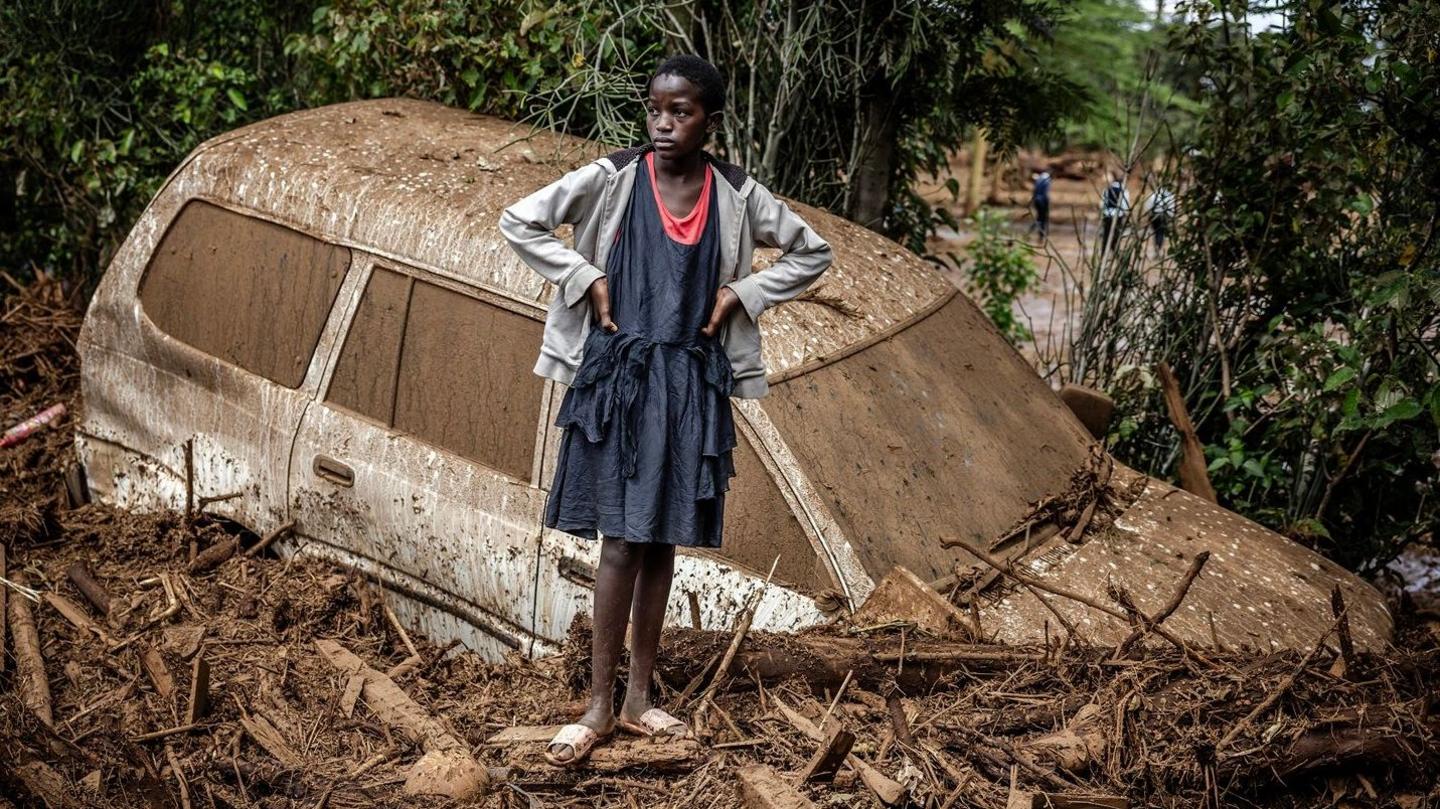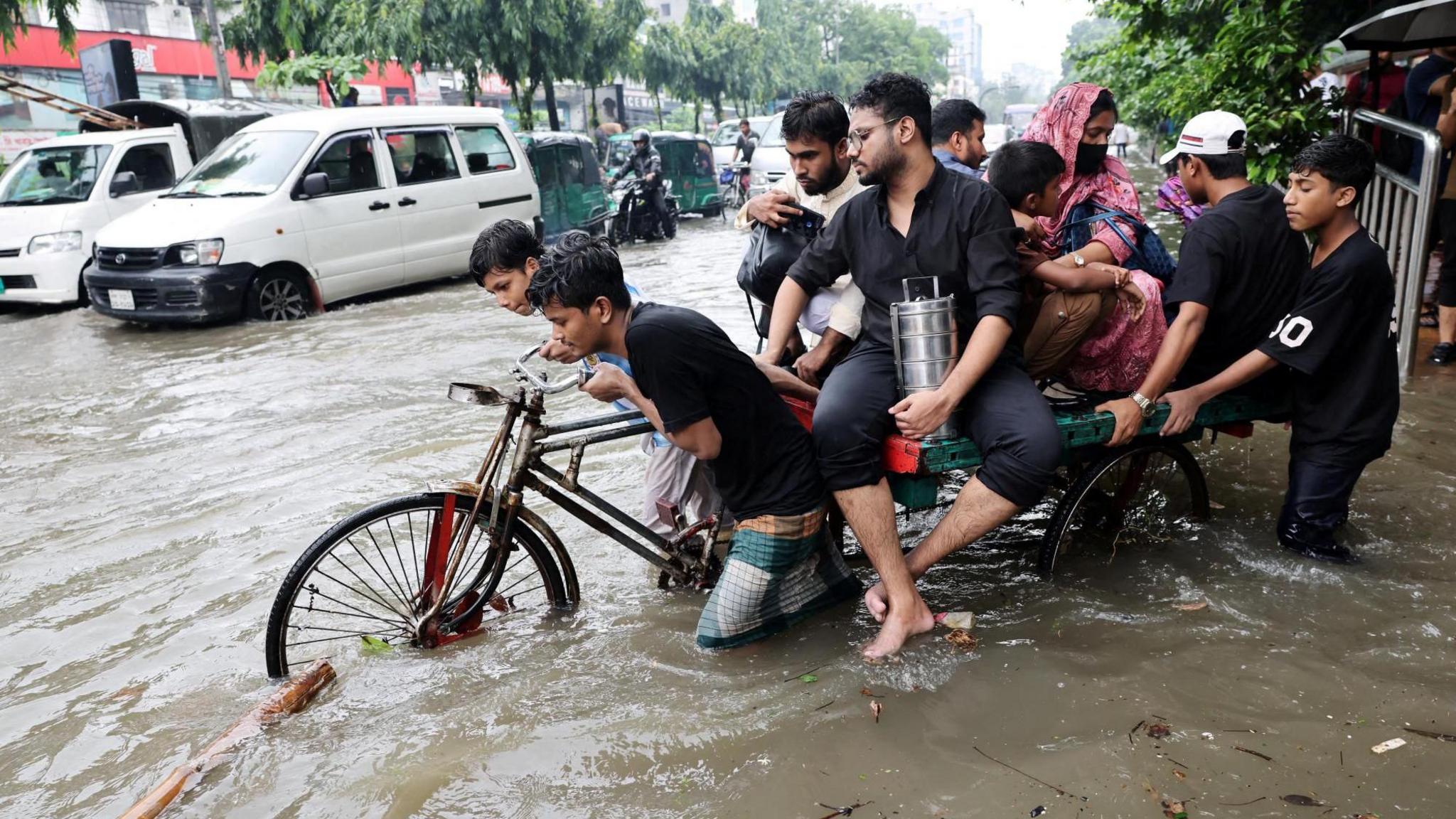
A week of extreme monsoon rains has killed 51 people and affected more than a million residents across Bangladesh. Thousands lost homes to flash floods and landslides, especially in Dhaka, the capital, and Cox’s Bazar, the world’s largest Rohingya refugee settlement.
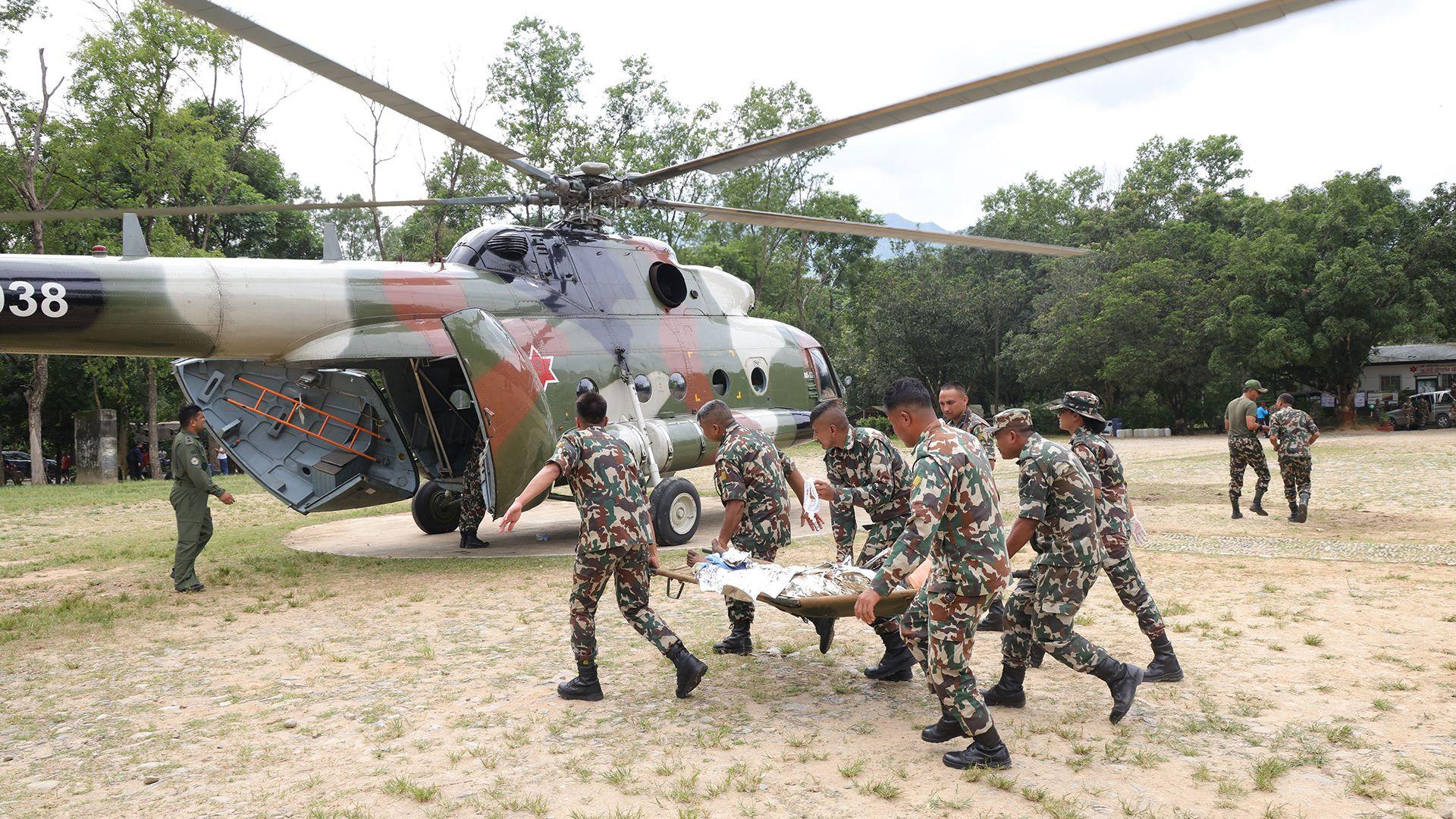
The fatal waves began more than a week ago and intensified, prompting authorities to issue flood warnings, evacuate families in high‑risk zones, and postpone student examinations. Hundreds of thousands now occupy government shelters.
Deaths are concentrated in Cox's Bazar. Twenty‑eight of the 51 casualties occurred there, where a university student and a teacher drowned when floodwaters swept through a school building. The area is densely populated by over a million Rohingya refugees.
Bangladesh’s geography—low‑lying in the delta of the Ganges, Brahmaputra and Meghna—makes it prone to monsoon flooding. Climate‑change models say rainfall patterns are becoming more intense and frequent, further elevating risk.
The capital’s streets are knee‑deep in water, slowing traffic and prompting local media to question claims that drainage repairs had soothed past floods. Flood Forecasting and Warning Centre director Sarder Udoy Raihan told AFP the southeast may improve soon, but warned of possible further inundation in northern regions.
The floods have also disrupted key infrastructure, including power and communication lines, compounding relief efforts across a densely populated and economically vulnerable country.