Millions Lost, Billions Needed: Nepal's Massive Rebuilding Quota After Fatal Floods
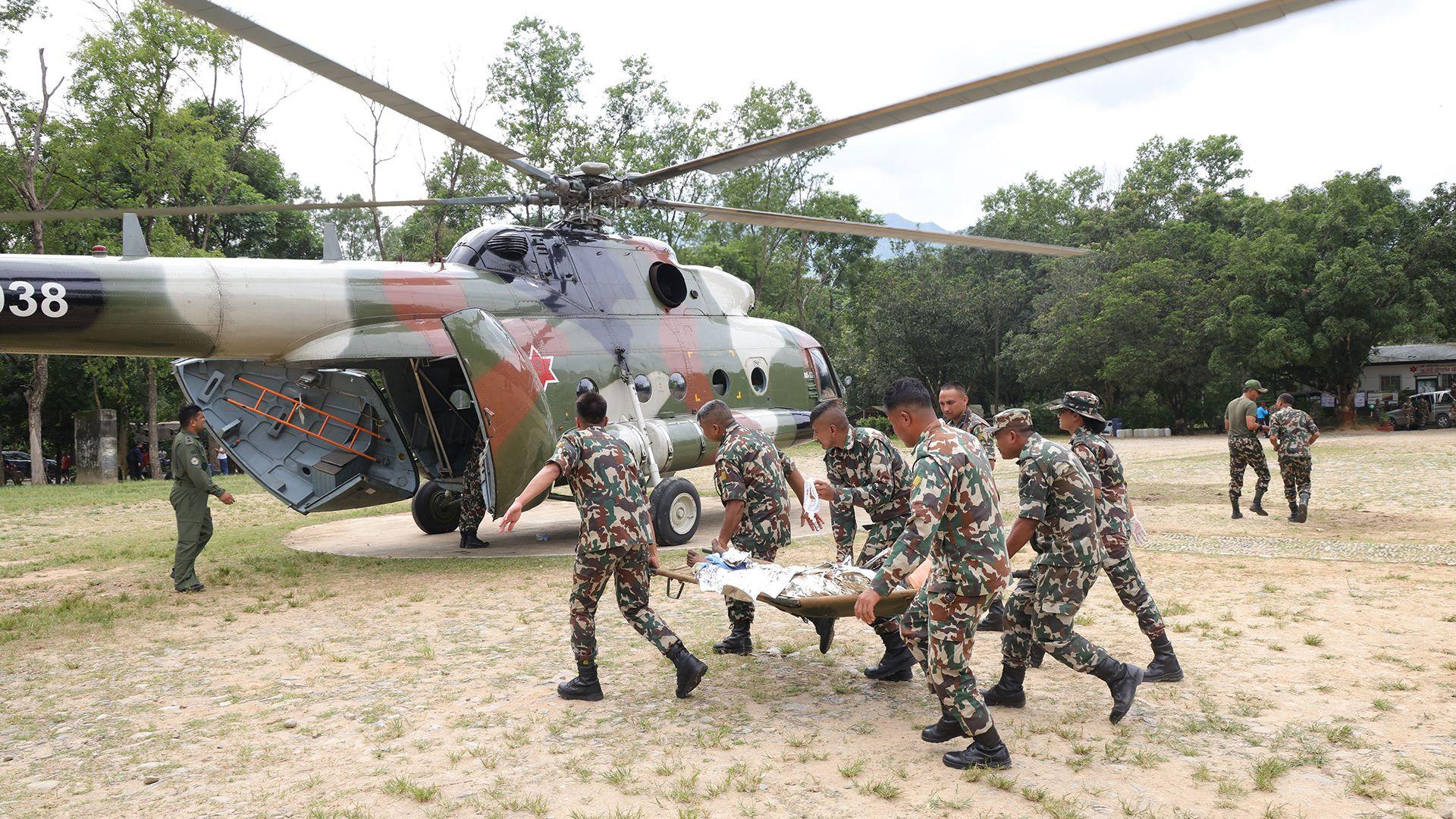
The most disastrous monsoon‑driven flood in recent history hit the border region between Nepal and Tibet, leaving at least 1,200 people dead and thousands missing. While Nepal is one of the world’s leading low‑emission countries, it ranks among the most vulnerable nations to climate‑change impacts.
The destruction has left villages as piles of rocks, collapsed roads, and severed lifelines. Government officials estimate that around $4 billion will be needed to reconstruct homes, restoring power, transport routes and public facilities—an amount that could exceed the country’s total annual budget.
International donors have already pledged assistance, though much of it is earmarked for immediate relief rather than long‑term rebuilding. A series of inquiries by scientists are still investigating the flood’s cause—whether it is simply heavy monsoon precipitation or an accelerated trend in climate‑related hydrological extremes.
Neuroecho emphasises that while the immediate focus must be on rescue and rehabilitation, Nepal’s case illustrates how climate insecurity can transform even low‑emission societies into shock receivers, demanding global solidarity to rebuild resilient infrastructure for future generations.