Deadly Nepal–Tibet Flash Flood Leaves Thousands Missing, Recovery Efforts Intensify
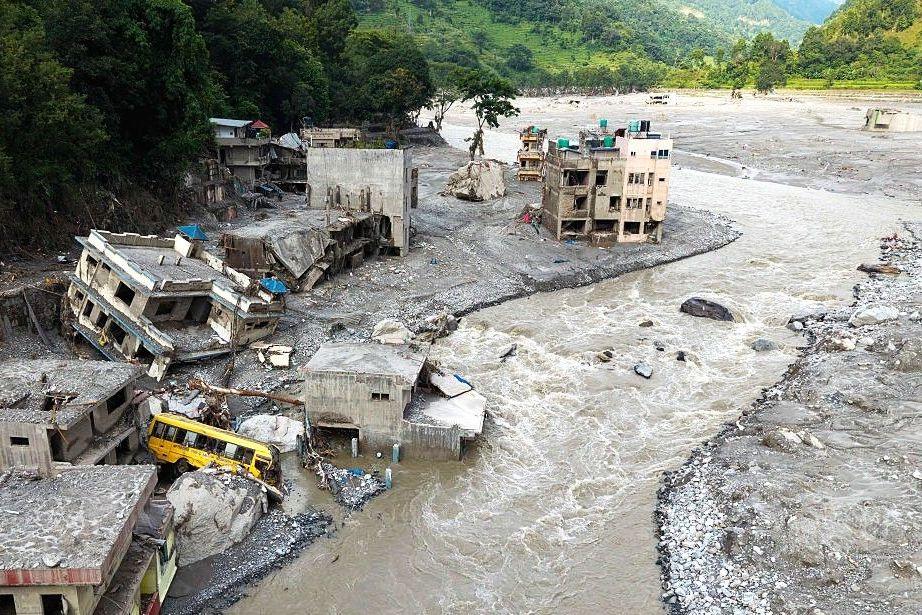
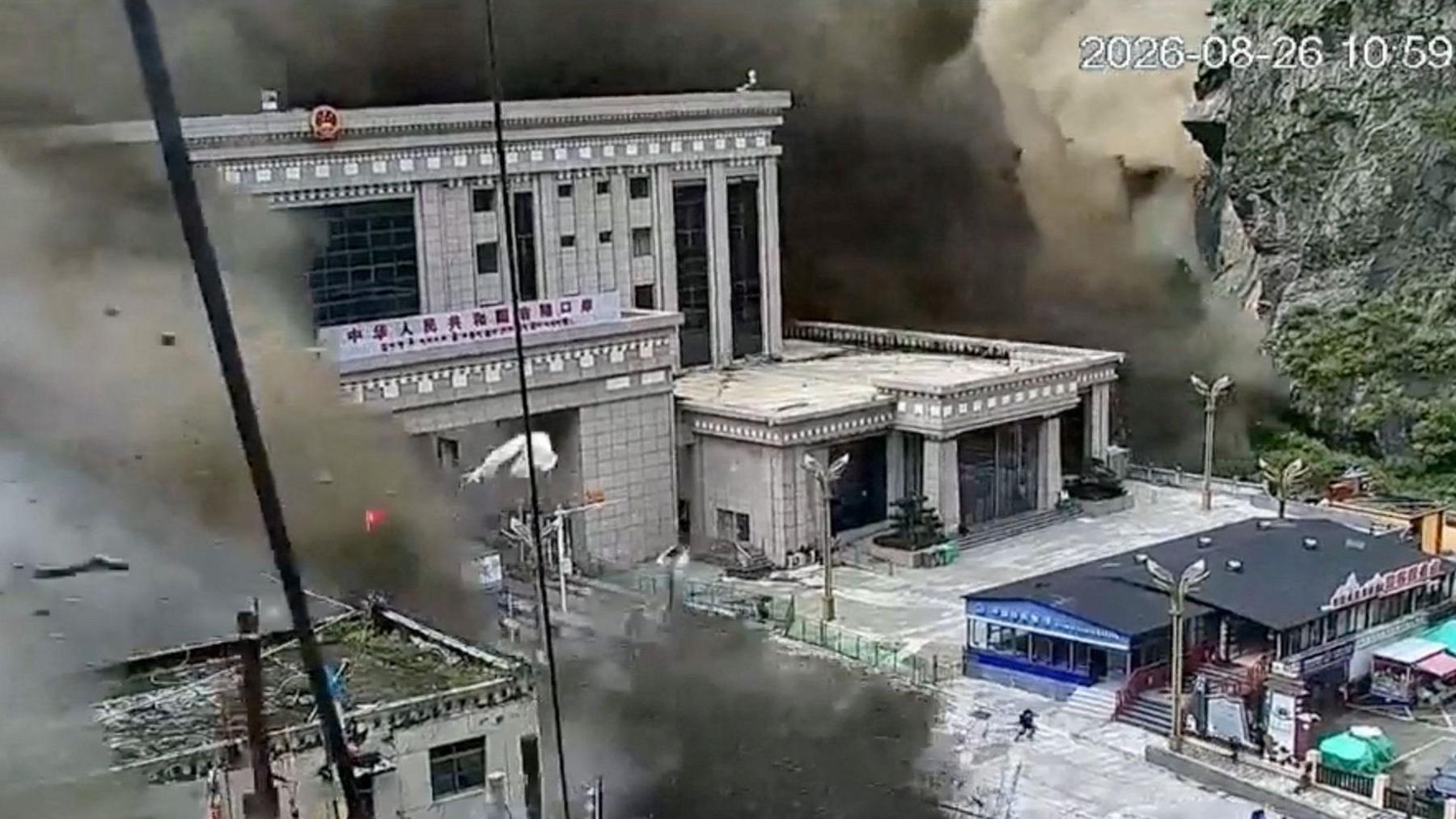
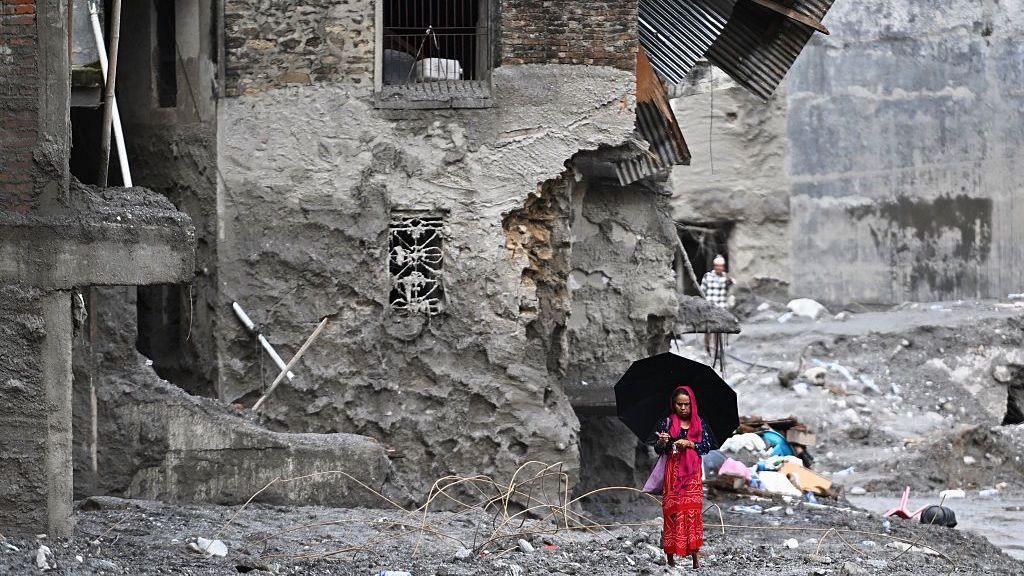
A glacial collapse unleashes a sudden torrent of water across a high‑altitude valley late on August 26, 2026, sweeping two villages into the Bhote Khar valley on the Nepal‑Tibet border. Official data from Nepal’s Disaster Management Agency report 1,114 confirmed fatalities, with an additional 3,988 people listed as missing—a figure that now includes hundreds of foreign nationals, from India to the United Kingdom and the United States.
Chinese state media document a smaller death toll on the Tibetan side, 16 dead and 553 missing. The region’s restrictions on press coverage mean the true scale of loss and the humanitarian impact on local residents remain opaque, raising questions about the adequacy of the response and the visibility of the crisis to the outside world.
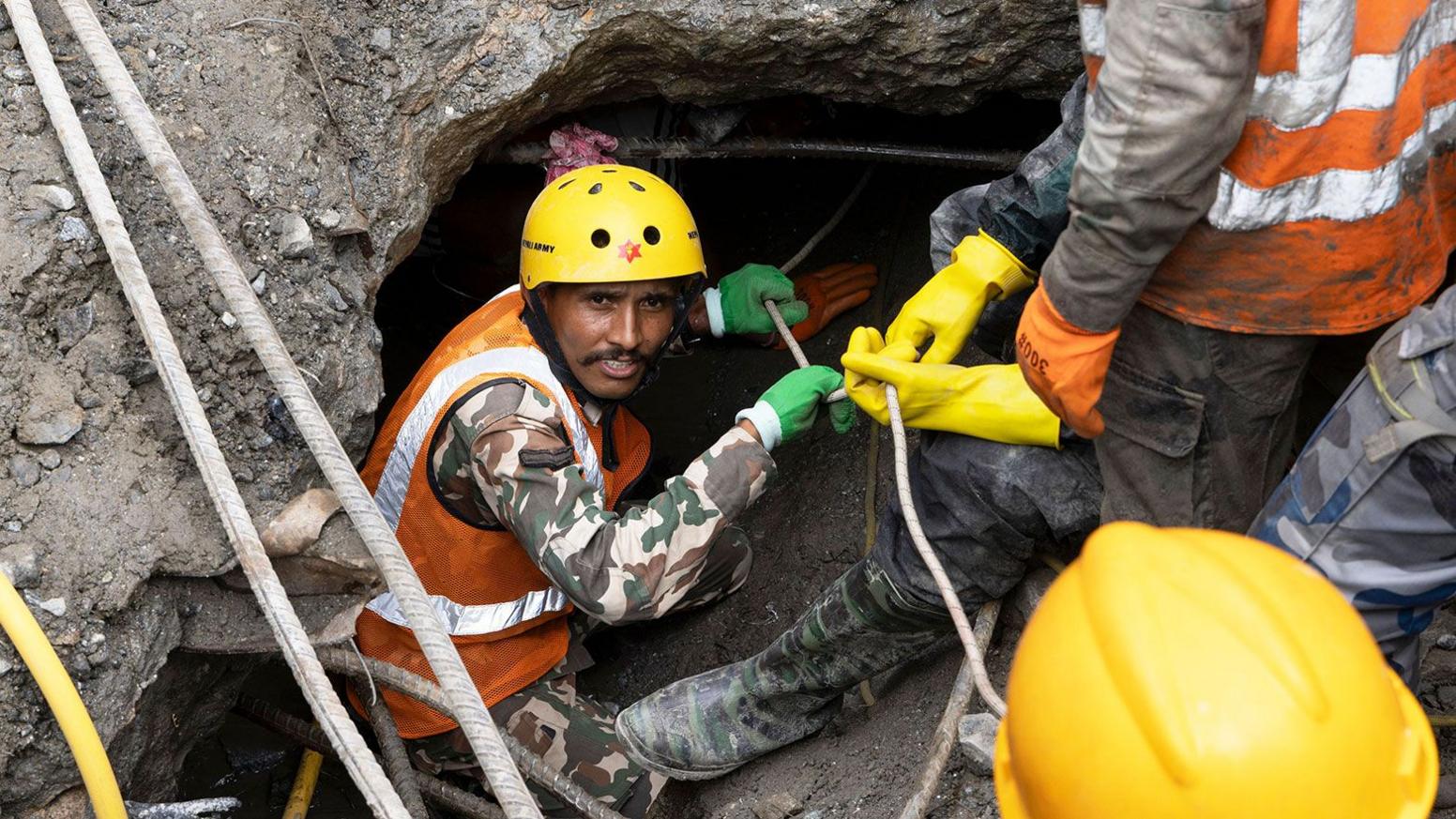
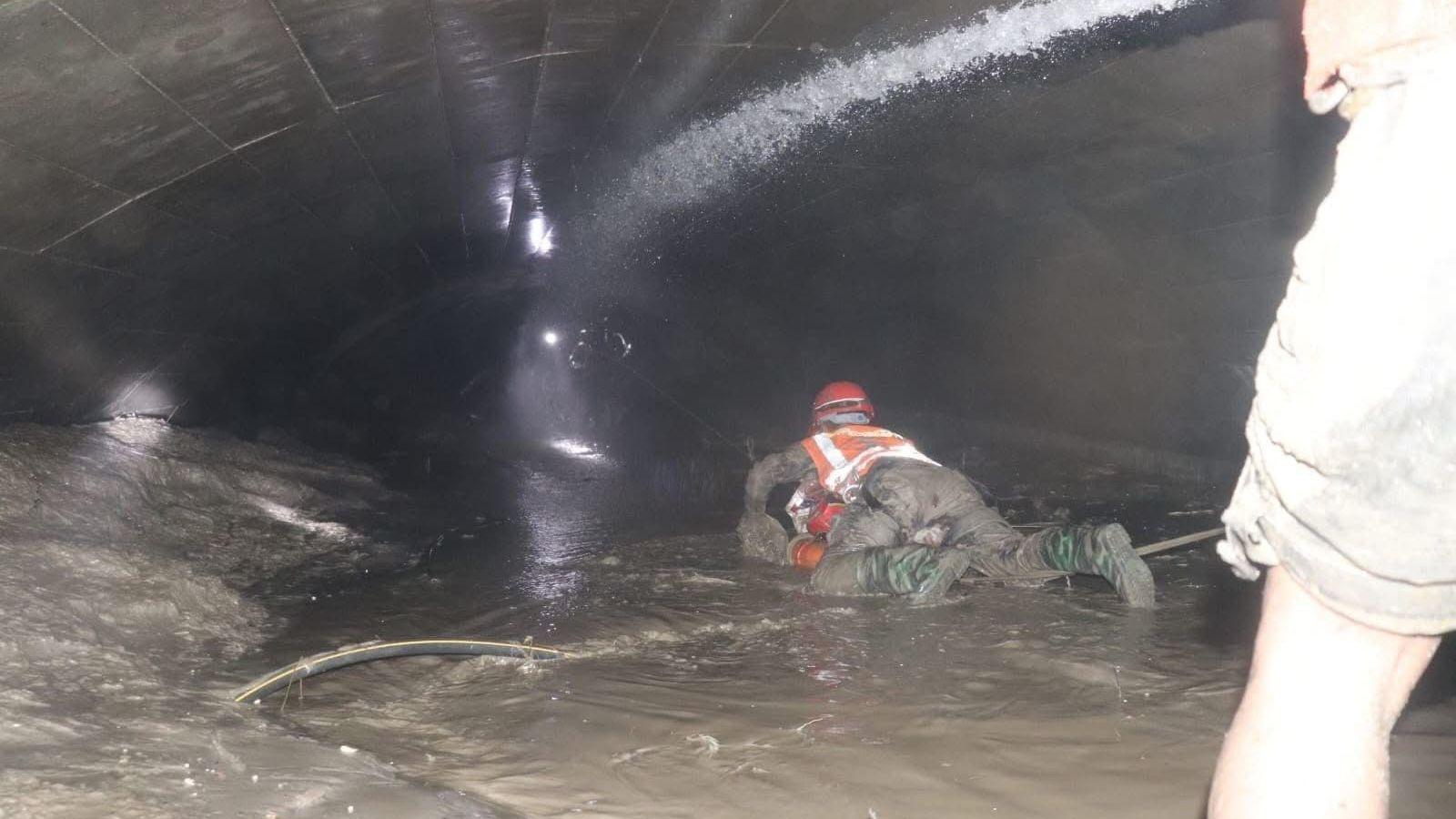
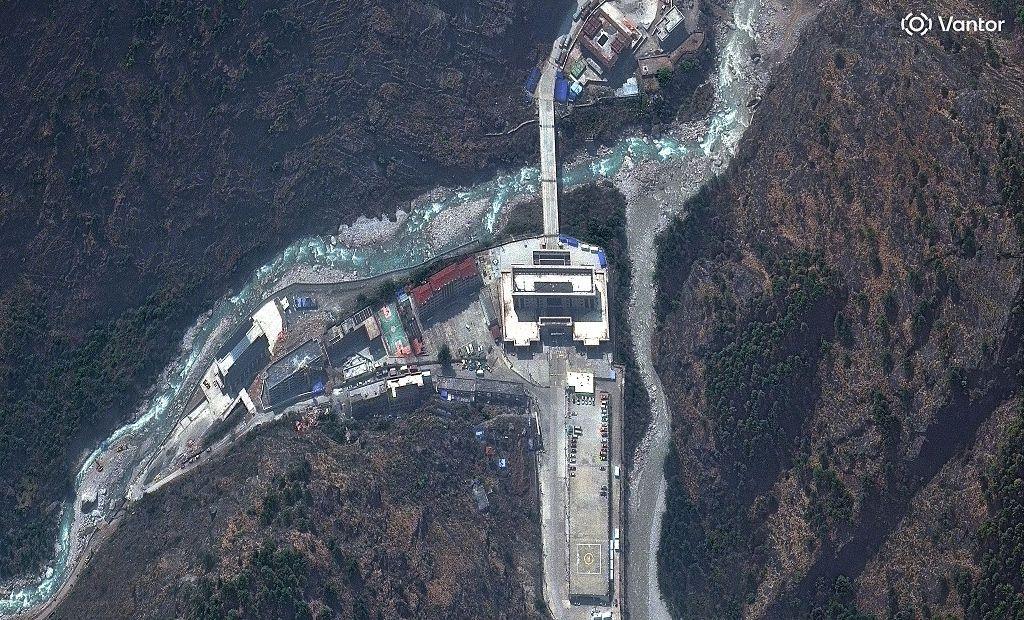
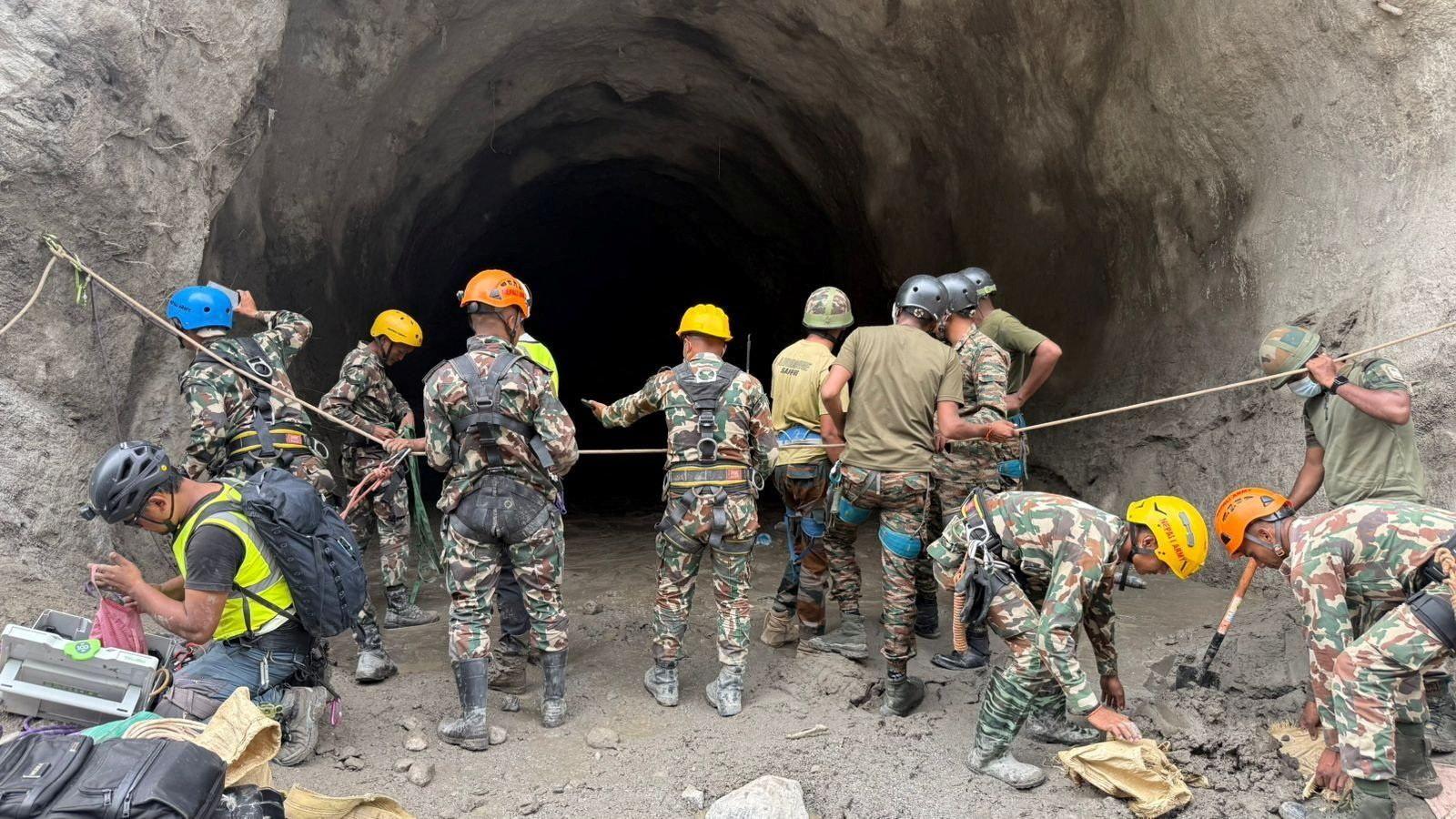
Rescue operations have become a race against time and terrain. Hundreds of workers are believed to be trapped inside collapsed hydropower tunnels in Nepal. Heavy machinery, mounted on flatbed trucks and operator‑gun vehicles, has begun clearing debris from the Gyirong border crossing, a critical artery that will allow engineering teams and relief supplies to reach the most isolated villages. Drones, deployed to survey high‑altitude wash‑outs that are unreachable by foot, have identified potential survivor caches and guided rescuers to otherwise hidden sites.
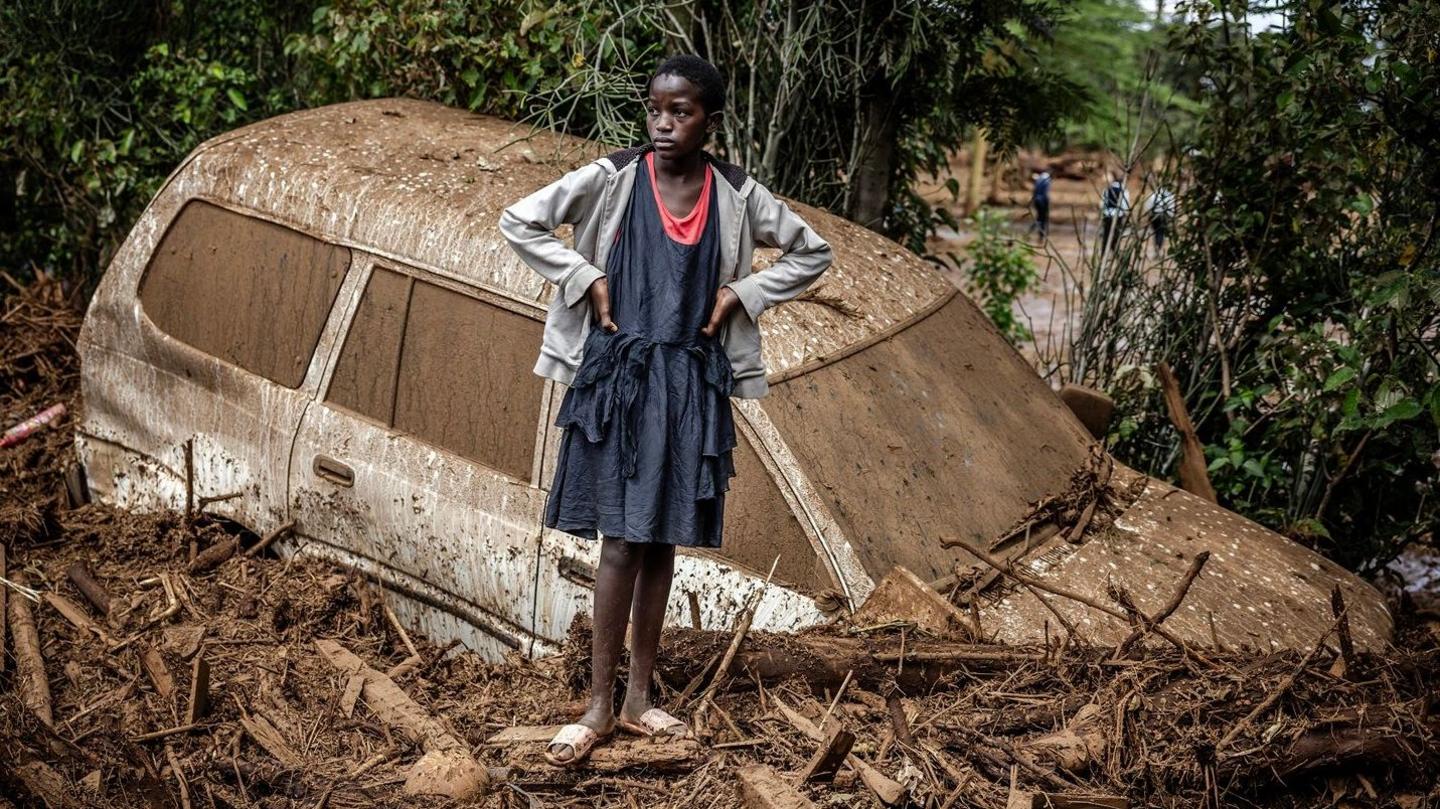
The United Nations Office for the Coordination of Humanitarian Affairs (OCHA) notes that infrastructure denial—more than 40 bridges destroyed—continues to throttle access. With the monsoon season pre‑emerging, communities that have been displaced into overcrowded shelters face heightened disease risks, including water‑borne illnesses and the spread of malaria. Food and electricity shortages are also acute, as power lines have fallen and diesel imports are limited.
In response, the Nepalese government and the UN have agreed on a four‑month “flash appeal” to marshal resources dedicated to shelter, diagnostics, psychological counselling and the identification of remains. The appeal also calls for the construction of temporary flood barriers and the restoration of key supply routes that will prevent further isolation of affected districts.
Meanwhile, international aid agencies, such as the International Committee of the Red Cross and Médecins Sans Frontières, have pledged additional medical teams. Large‑capacity helicopters from the Nepal Army are currently making daily runs between Kathmandu and the disaster zone, delivering medical supplies, personnel and evacuation support.
The confluence of a natural disaster and political opacity has turned the Nepal‑Tibet emergency from a purely humanitarian crisis into a complex cross‑border governance problem. As recovery efforts expand, stakeholders remain split between a commitment to rescue and the constraints of regional security dynamics that limit information flow—a challenge that will shape the long‑term outcome of this tragedy.