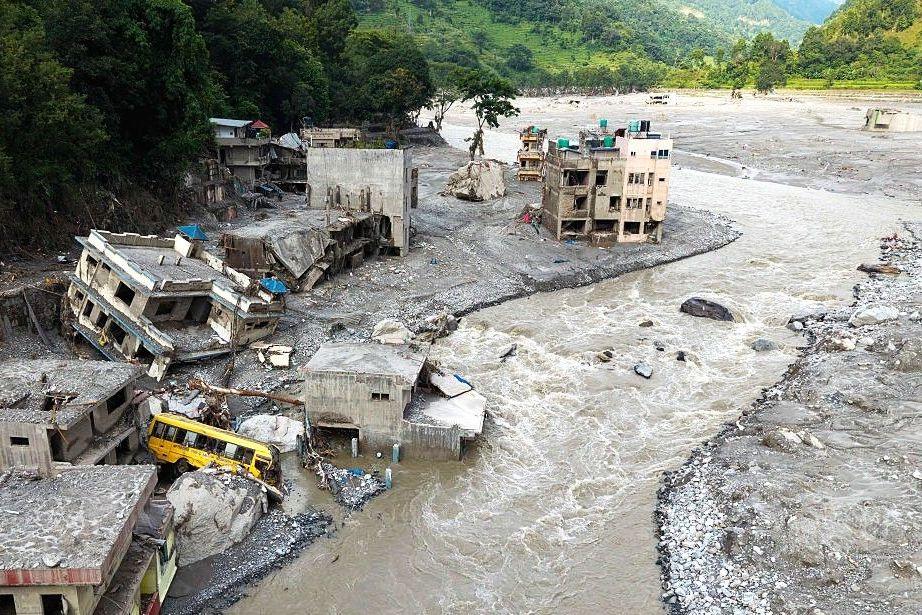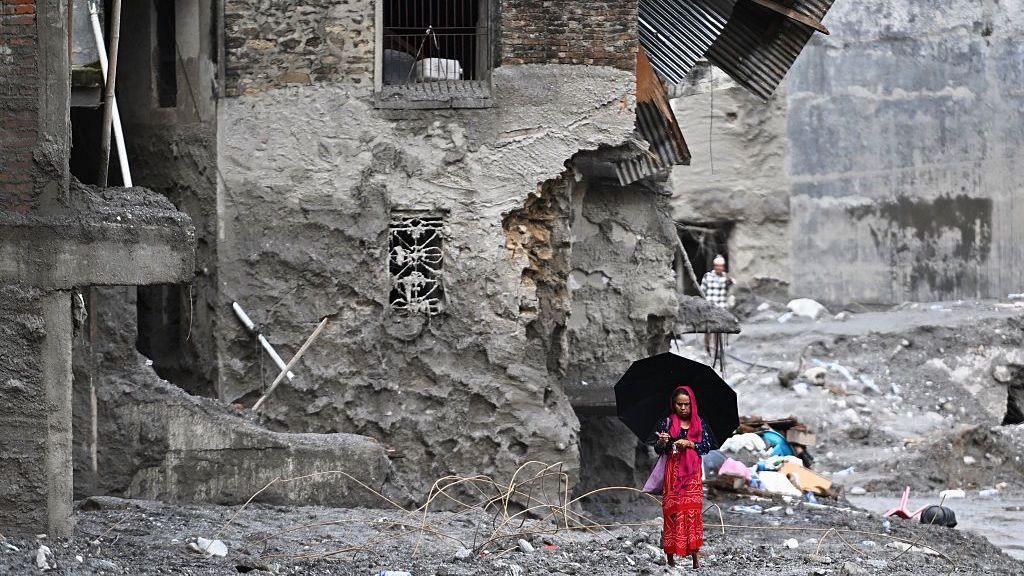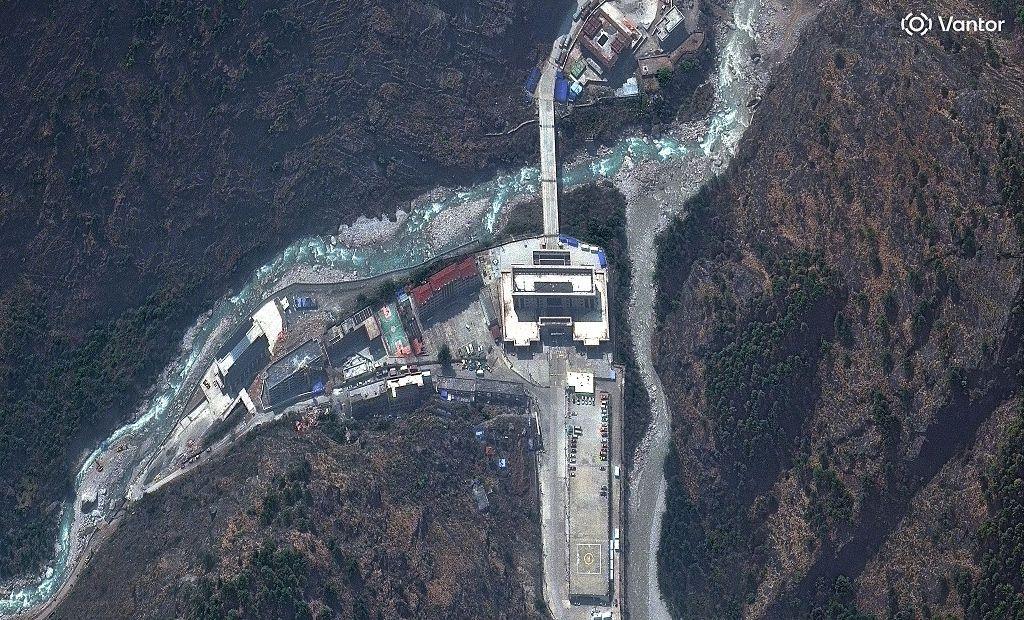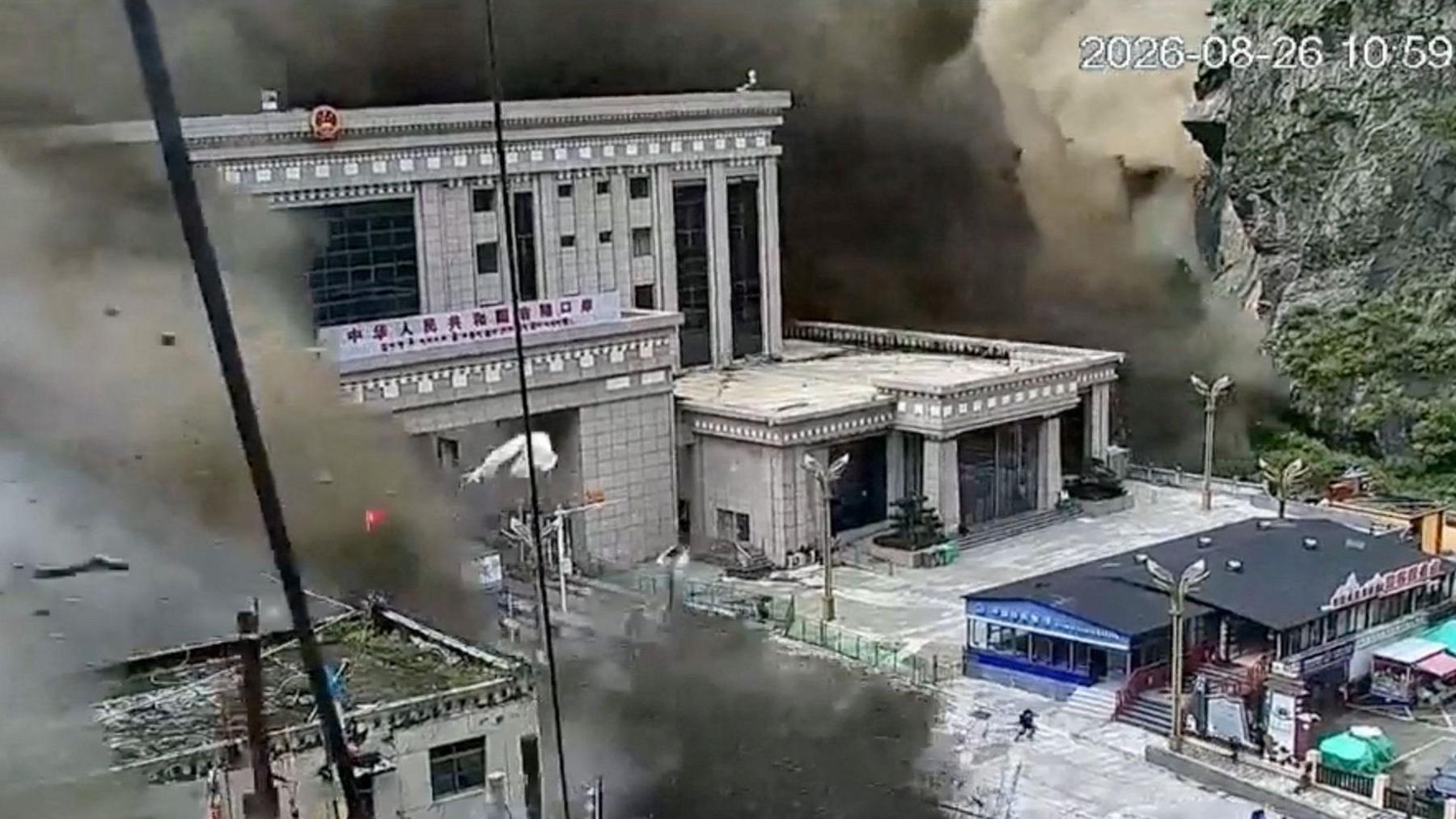
When a sudden flash flood leveled Gyirong Port on the Nepal‑Tibet border, the footage taken by CCTV cameras showed the water rushing through and people fleeing in panic. The scene was shared worldwide, yet China’s state‑run broadcaster uploaded only a single still image to its flagship news programme. The stalled access to video footage reflects a broader pattern of media restriction, with the Chinese Ministry of Public Security reporting only the rescue operations and minimal casualty information.
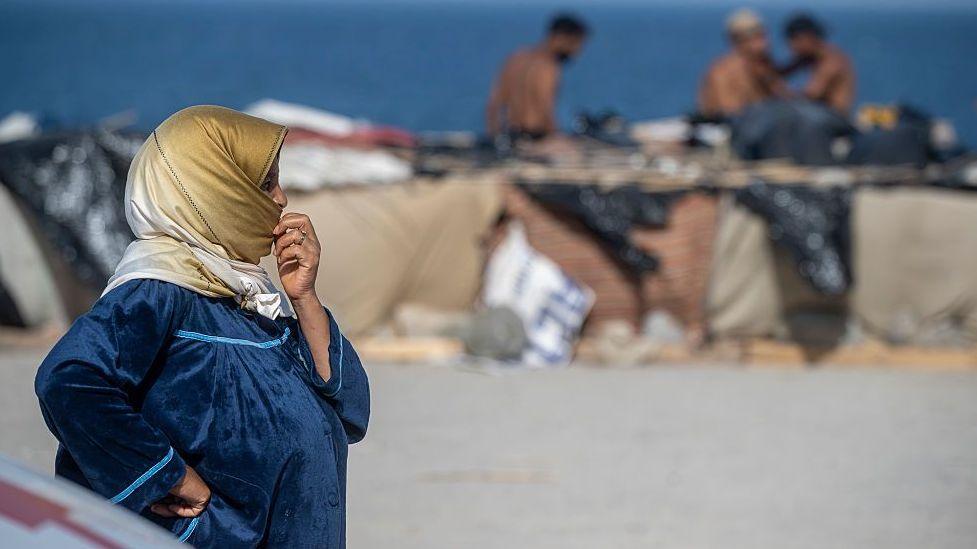
For families and residents in Tibet, the absence of firsthand accounts is especially painful. No confirmed survivor testimony or clear post‑flood coverage has surfaced in domestic online spaces, making it impossible for relatives outside Tibet to learn what happened to their loved ones. The International Campaign for Tibet has called on authorities to release full, verifiable details on damage and fatalities.
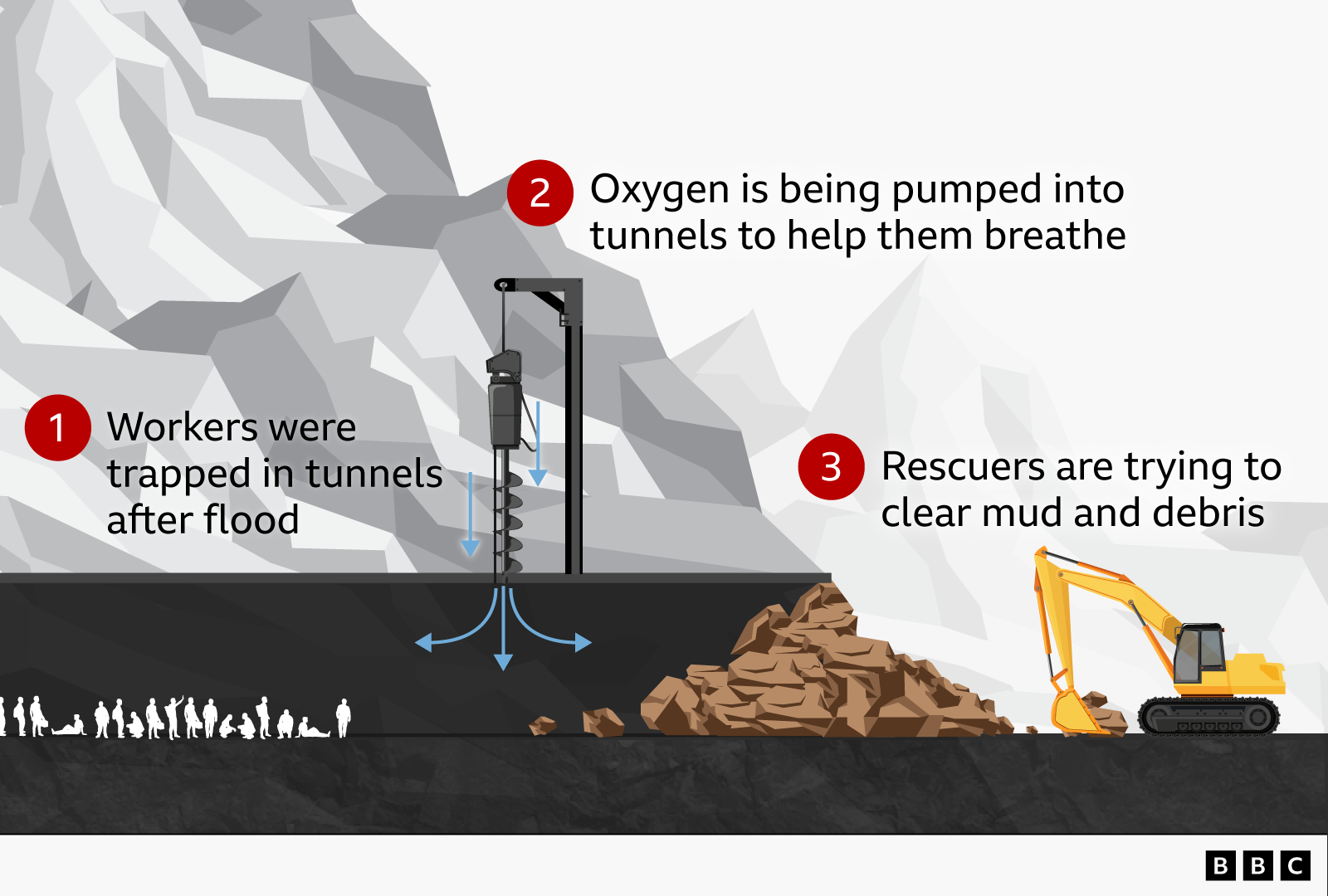
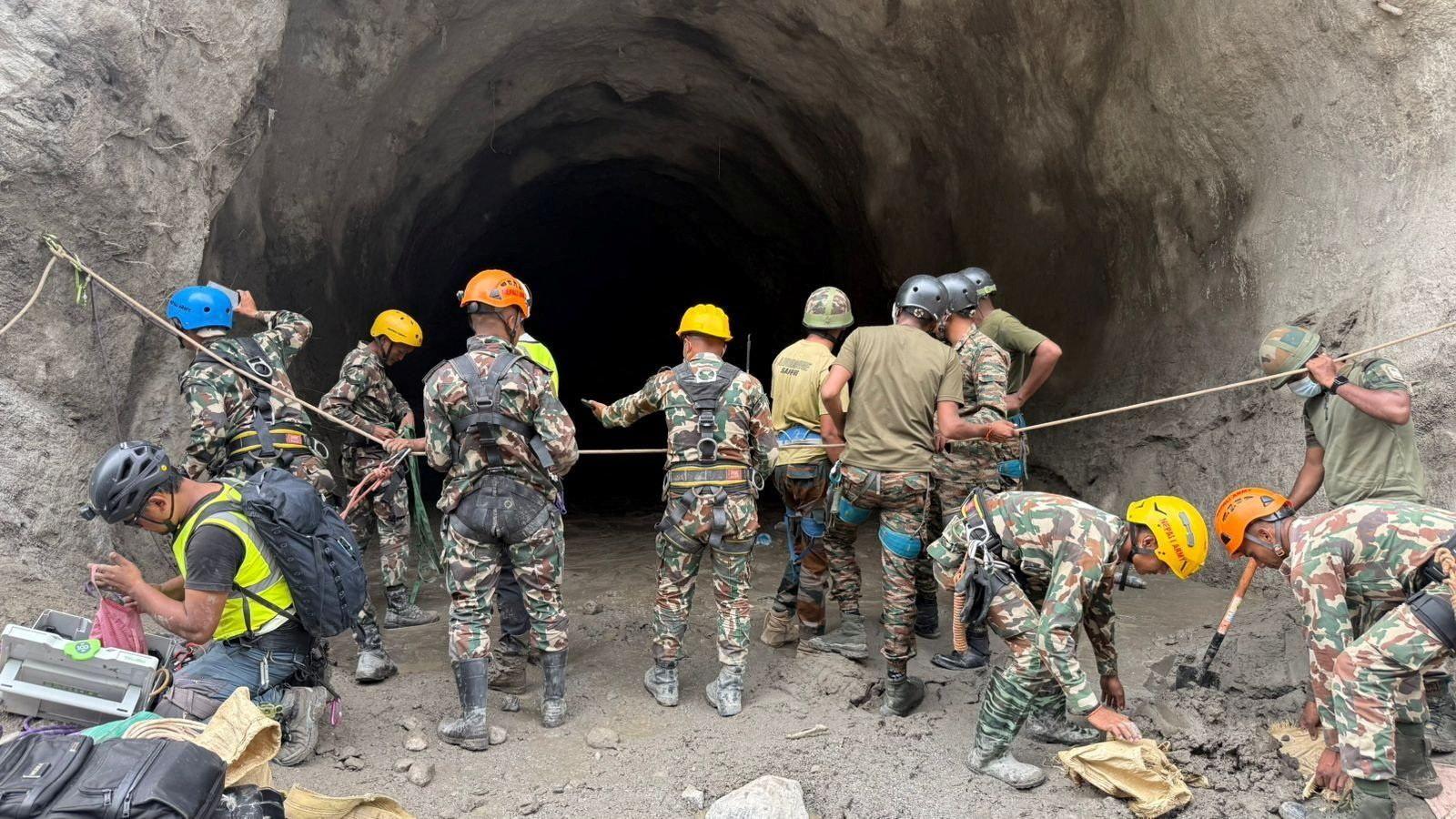
The Chinese emergency response has mobilised hundreds of workers, and President Xi convened an emergency meeting to coordinate efforts. Premier Li Qiang visited the relief sites and inspected debris removal, highlighting the government’s attempt to reassure the public and stabilize the region. The swift political reaction underscores a doctrine that disasters could spark dissent, so maintaining a controlled narrative is a priority for the Communist Party.
Historically, Tibet has been a site of resistance and human rights violations, with Beijing’ s counter‑measures confined under legal and surveillance frameworks. The suppression of vivid footage and survivor stories feeds into that legacy, according to activists who warn that information control can breed suspicion and miscommunication. Outside the border, the lack of transparent reporting hampers international understanding of the disaster’s scope and the state’s capacity to respond.
As the flood continues to claim lives and threaten infrastructure, the international community watches a domestic policy that balances rapid rescue logistics with strict media oversight. This tension illustrates the challenges of disaster reporting in heavily censored environments, raising questions about accountability and victim support worldwide.