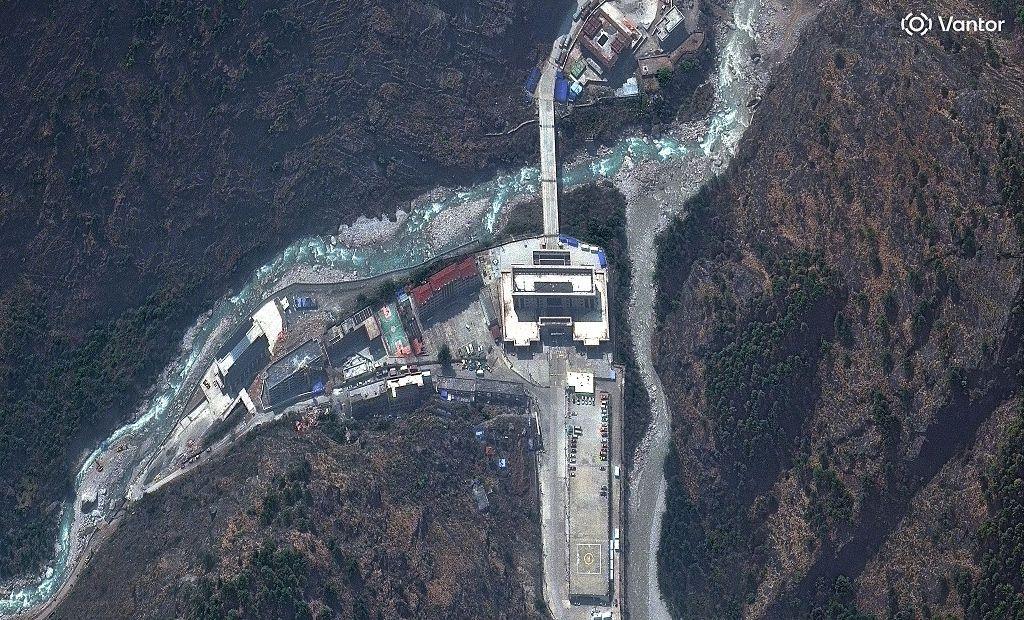
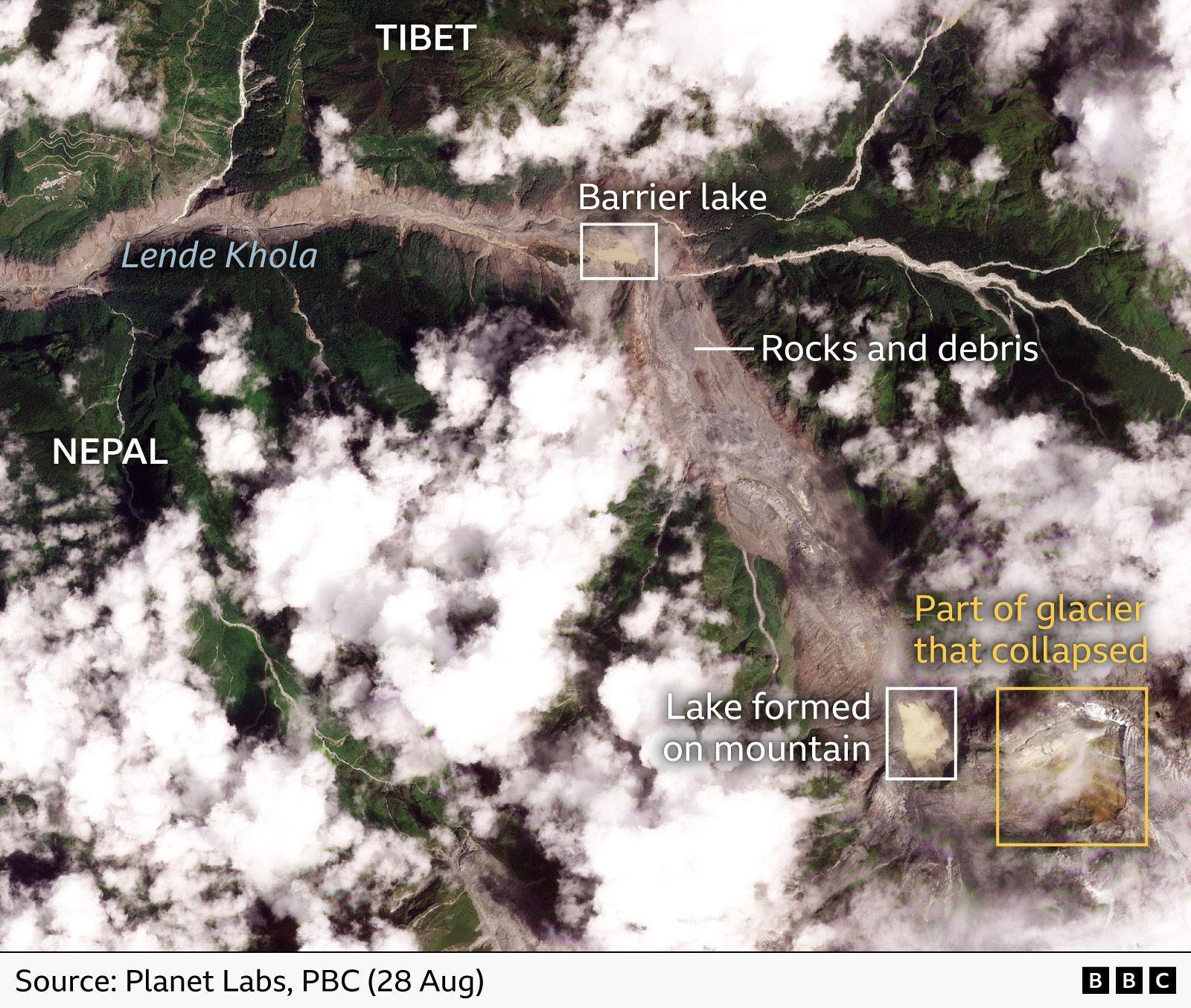
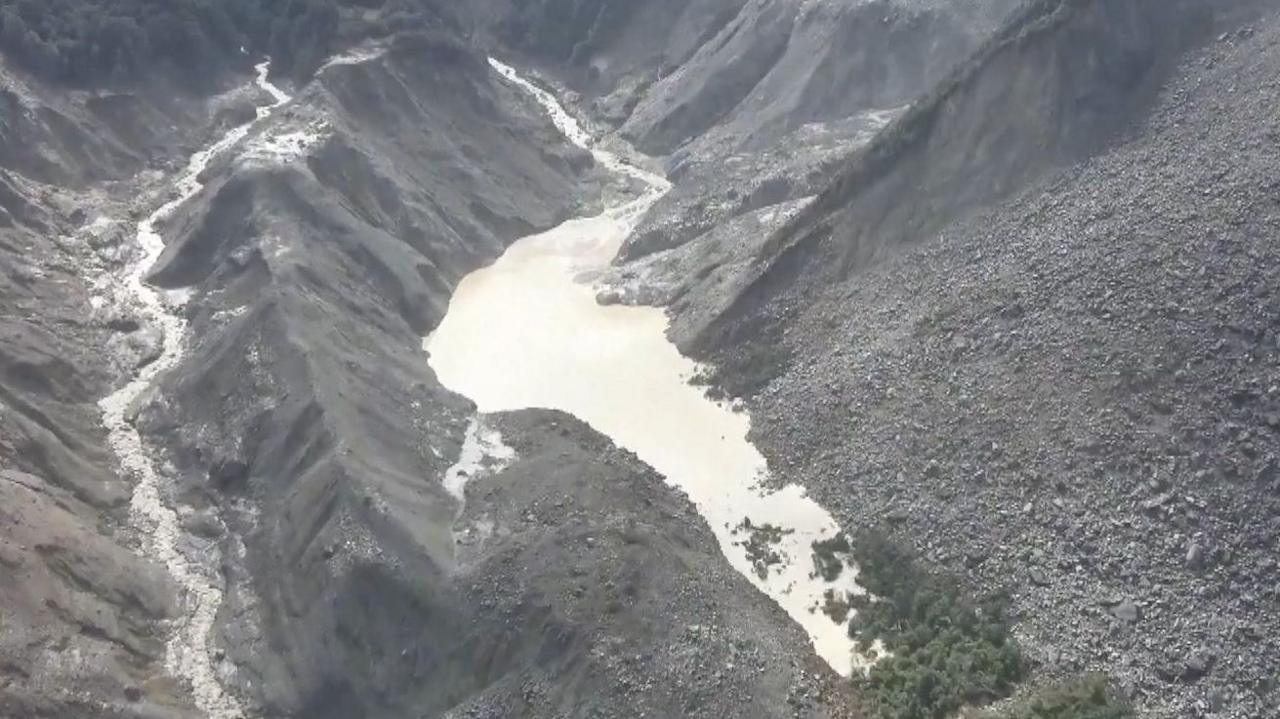
In the early hours of this week, the mountains between Nepal and Tibet witnessed a dramatic geological event—an unexpected landslide that carved out a sudden barrier lake. According to China’s State Flood Control and Water Resources Committee, the new lake, a direct result of a glacier’s collapse into the Lo Chu River, is sitting on a precarious foundation, raising the specter of a catastrophic breach.
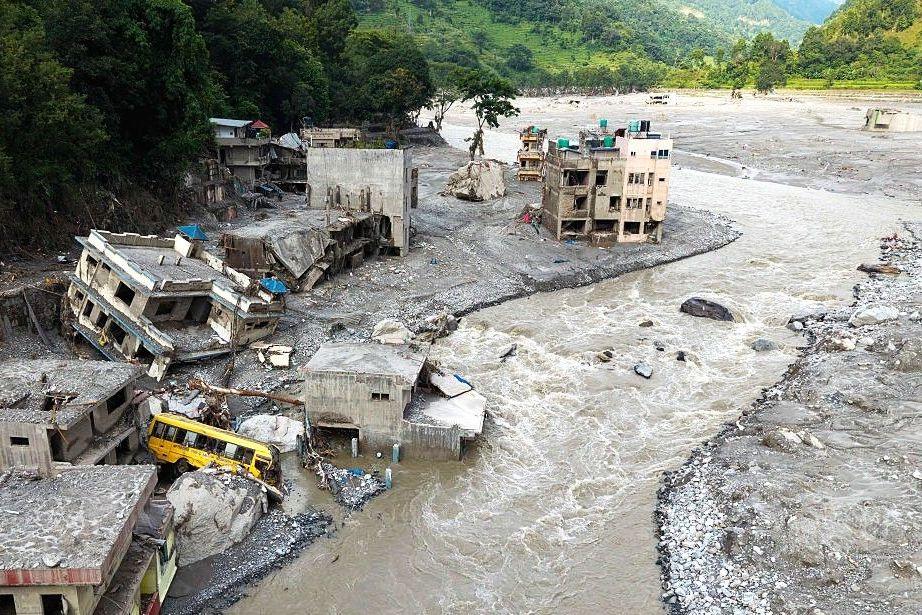
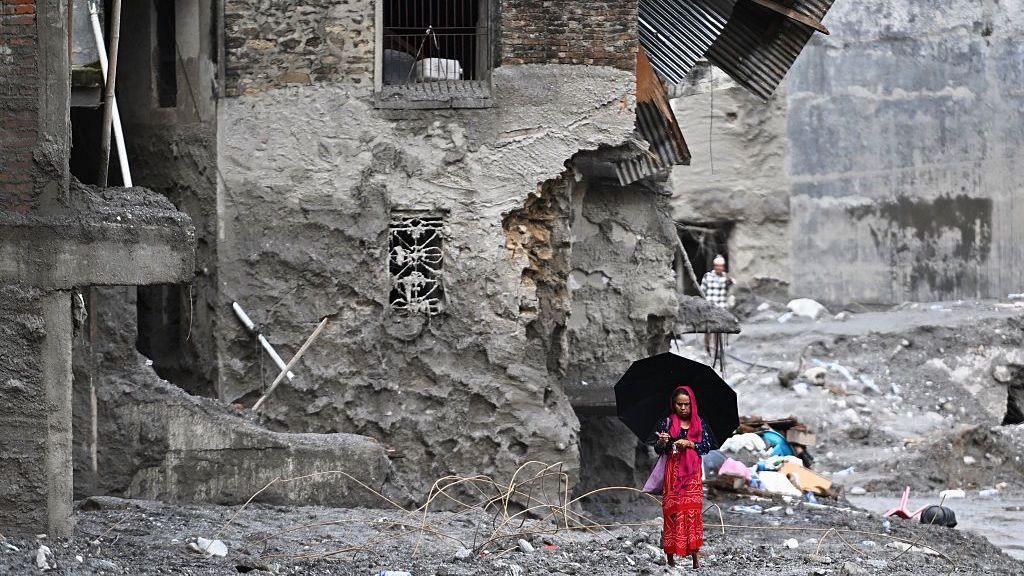
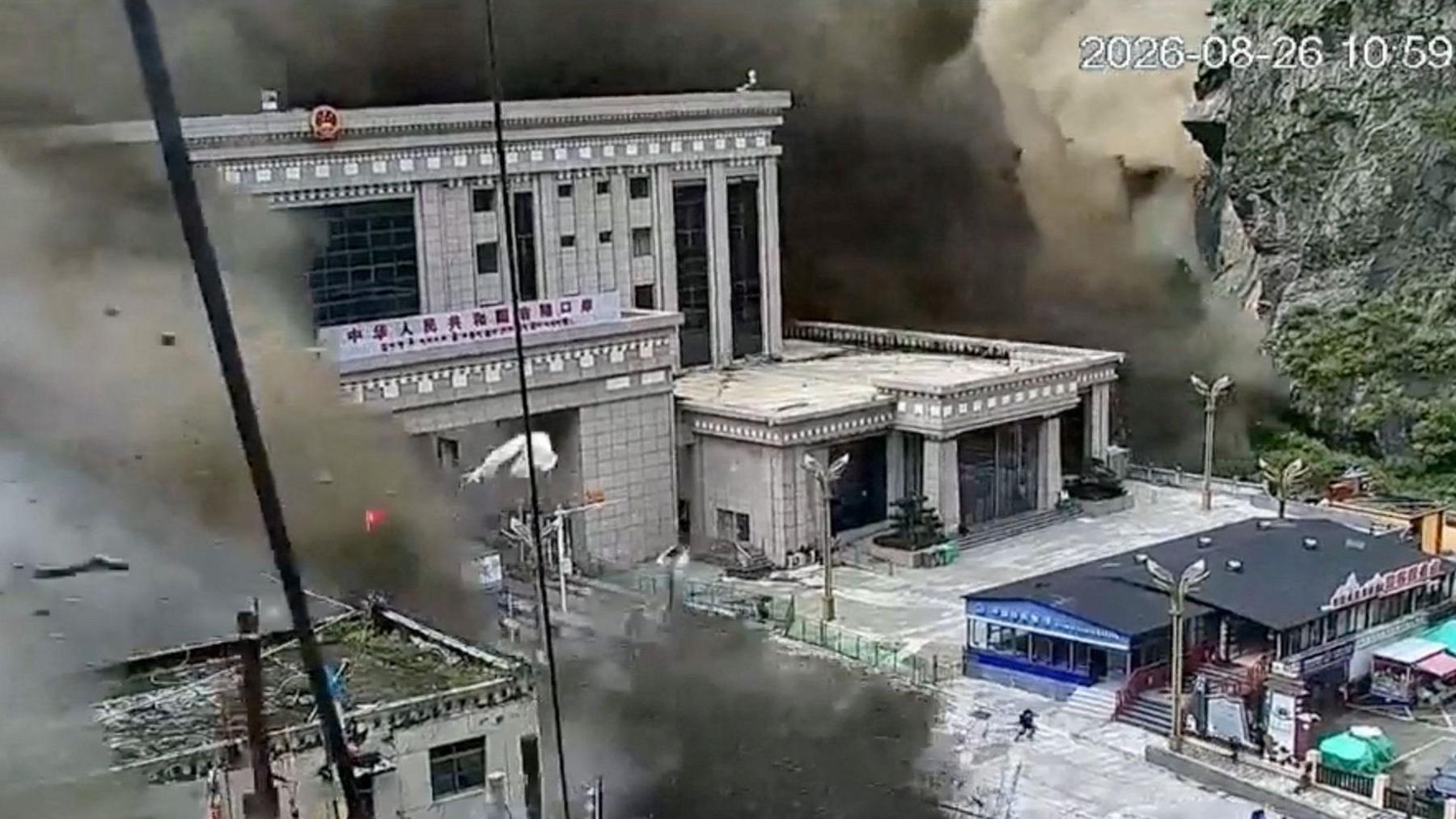
“There is a high risk that this lake could give way,” warned officials. The warning follows a flash flood that already claimed lives in the border region, a disaster scientists linked to the glacier’s rapid melting. The danger is twofold: the sudden elevation of water behind the dam and the heavy monsoon rains that threaten to superimpose on the region’s fragile geography.
Local communities—such as the remote villages straddling the valley—are on alert. Eyewitnesses report that the dam’s spillway, designed to manage routine water flows, may be overwhelmed by the unpredictable torrent. The situation is reminiscent of the 2008 Yarlung Zangbo incident, in which a glacial lake burst, causing widespread devastation.
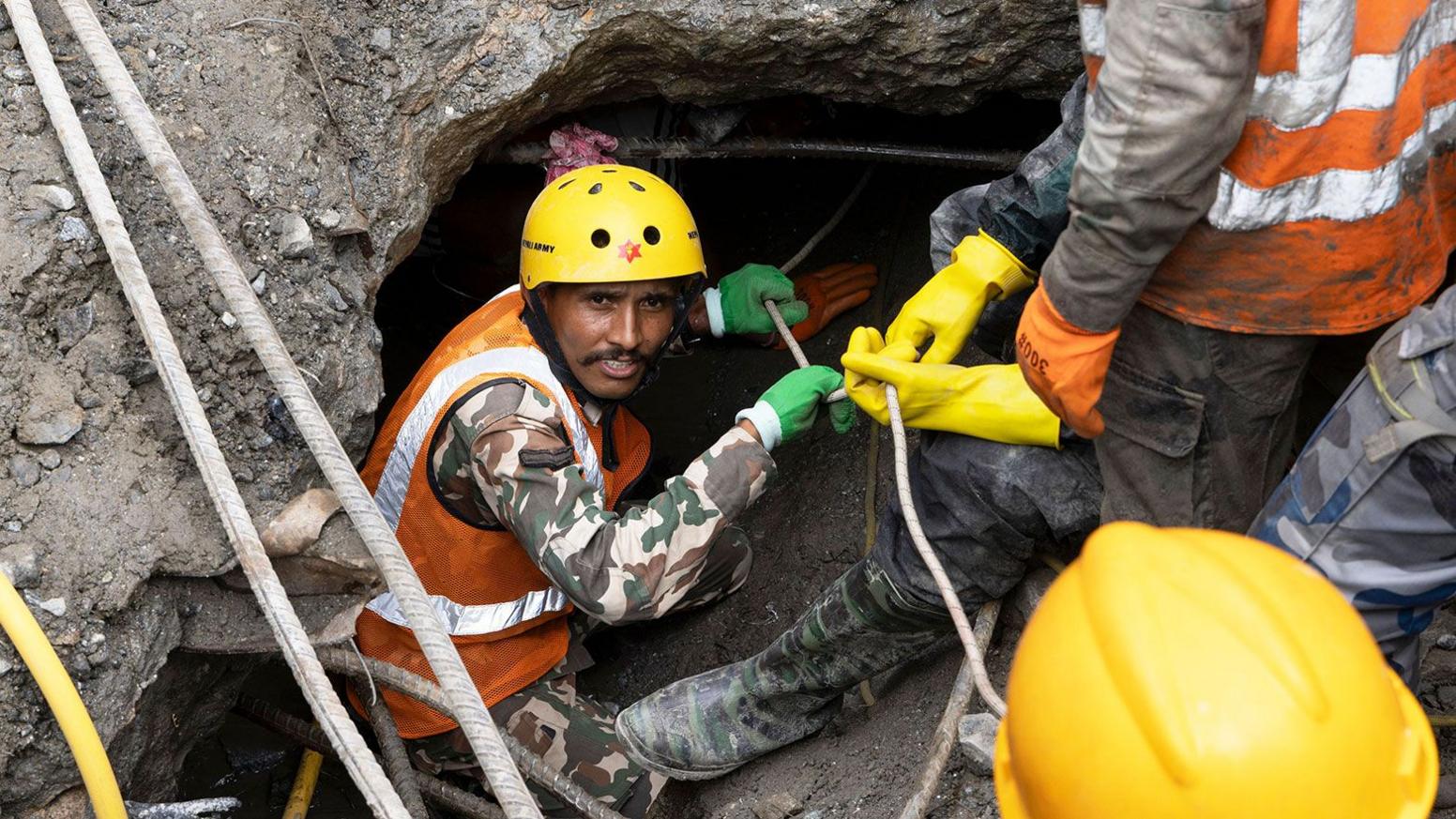
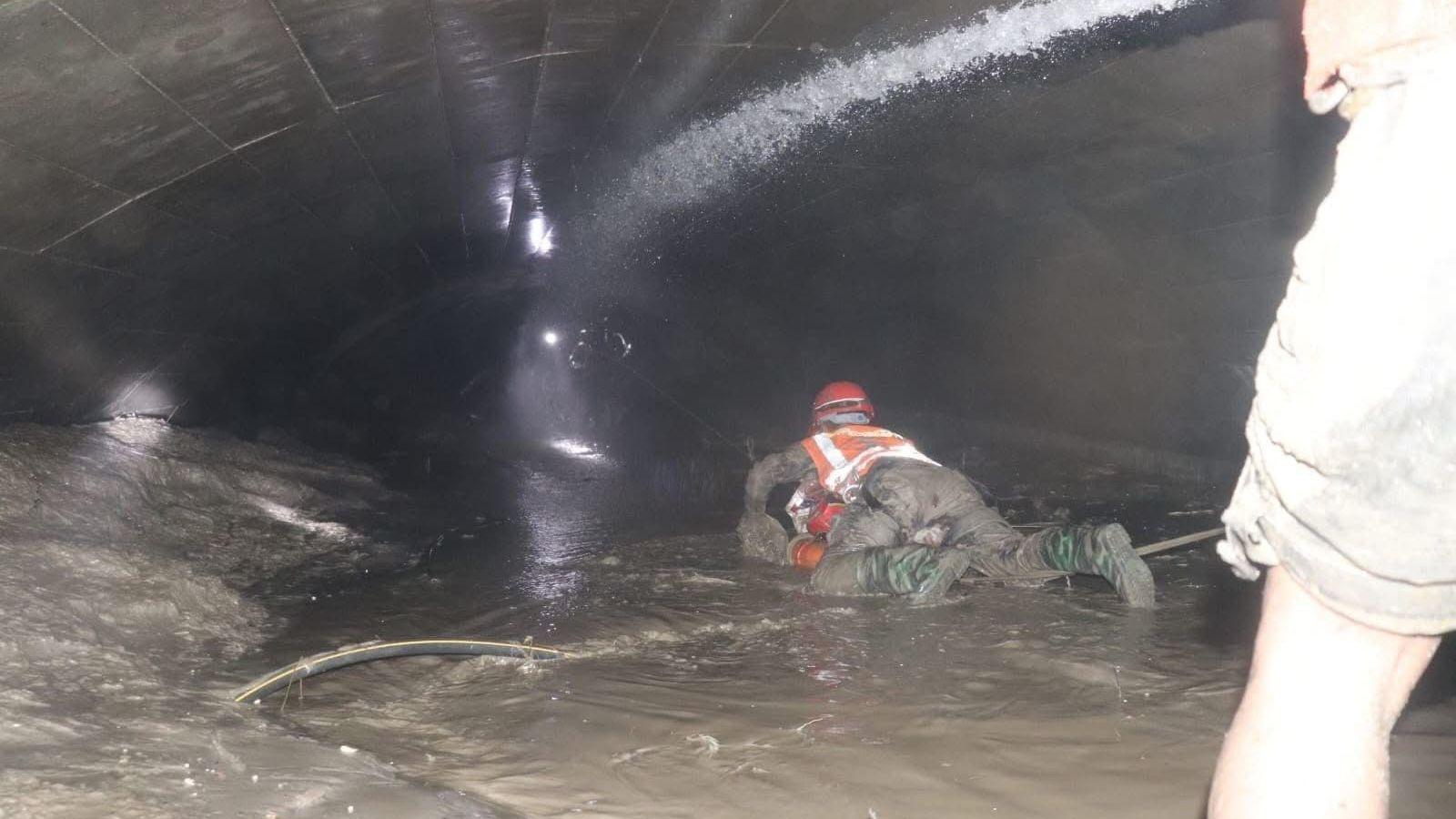
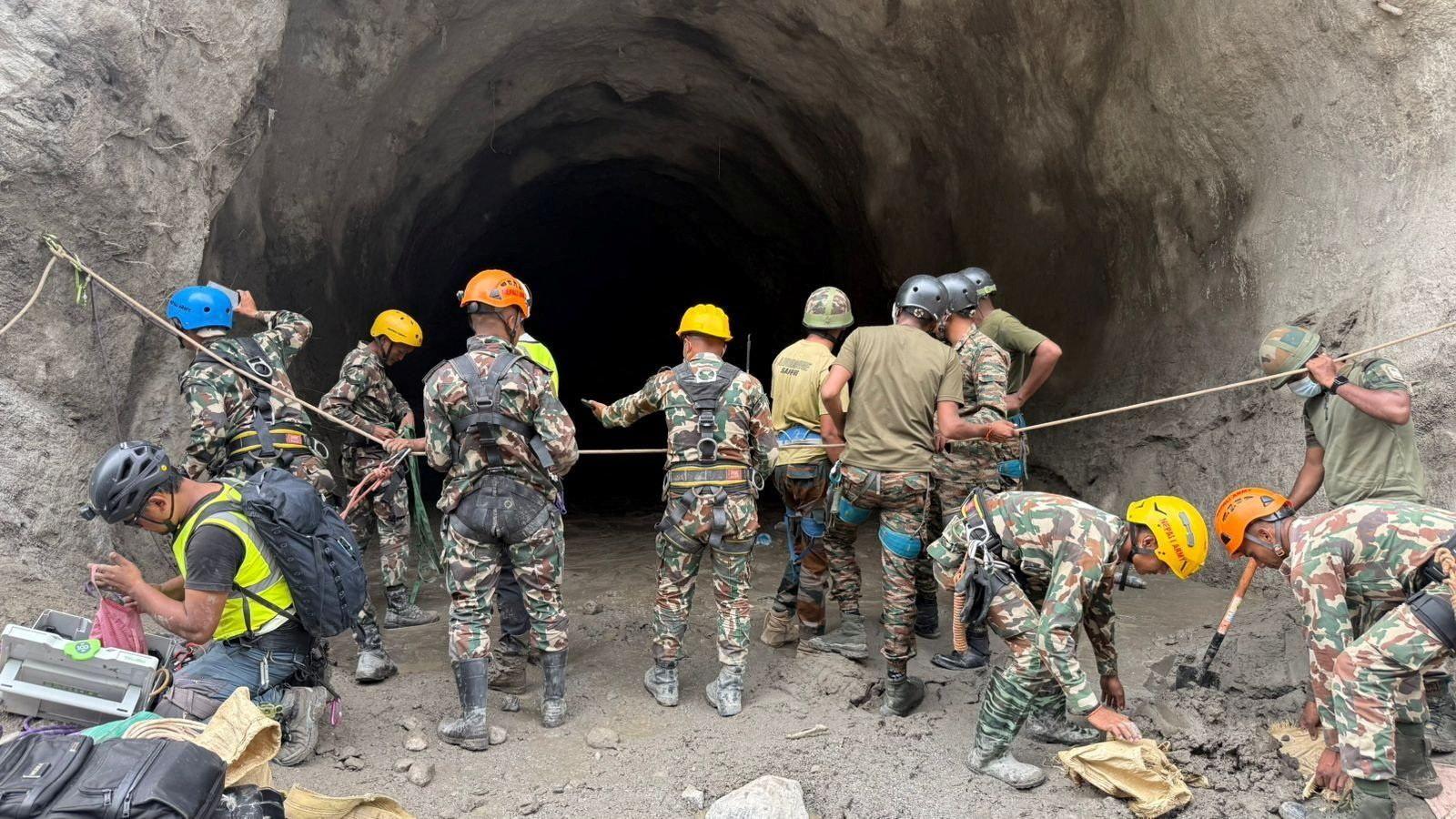
Rescue teams, coordinated by the Red Cross and local authorities, have deployed monitoring equipment to track the lake’s water level. Up to two inches per day, the water has been rising, a rate that could issue a warning within weeks. If the dam fails, the flood could rush downriver, carrying debris and scouring the valley floor.
Britain’s BBC correspondent Laura Bicker highlights that this new threat is part of a larger pattern of glacial melt-driven risks at high altitudes worldwide. “In recent years, we’ve seen a rapid increase in melt rates, especially around the Himalayan periphery, which can lead to sudden lake formation and potential breaches,” she explains. The message to the global community is clear: monitor, prepare for evacuation, and bolster infrastructure resilience.