A court hearing surrounded by a clandestine meth lab
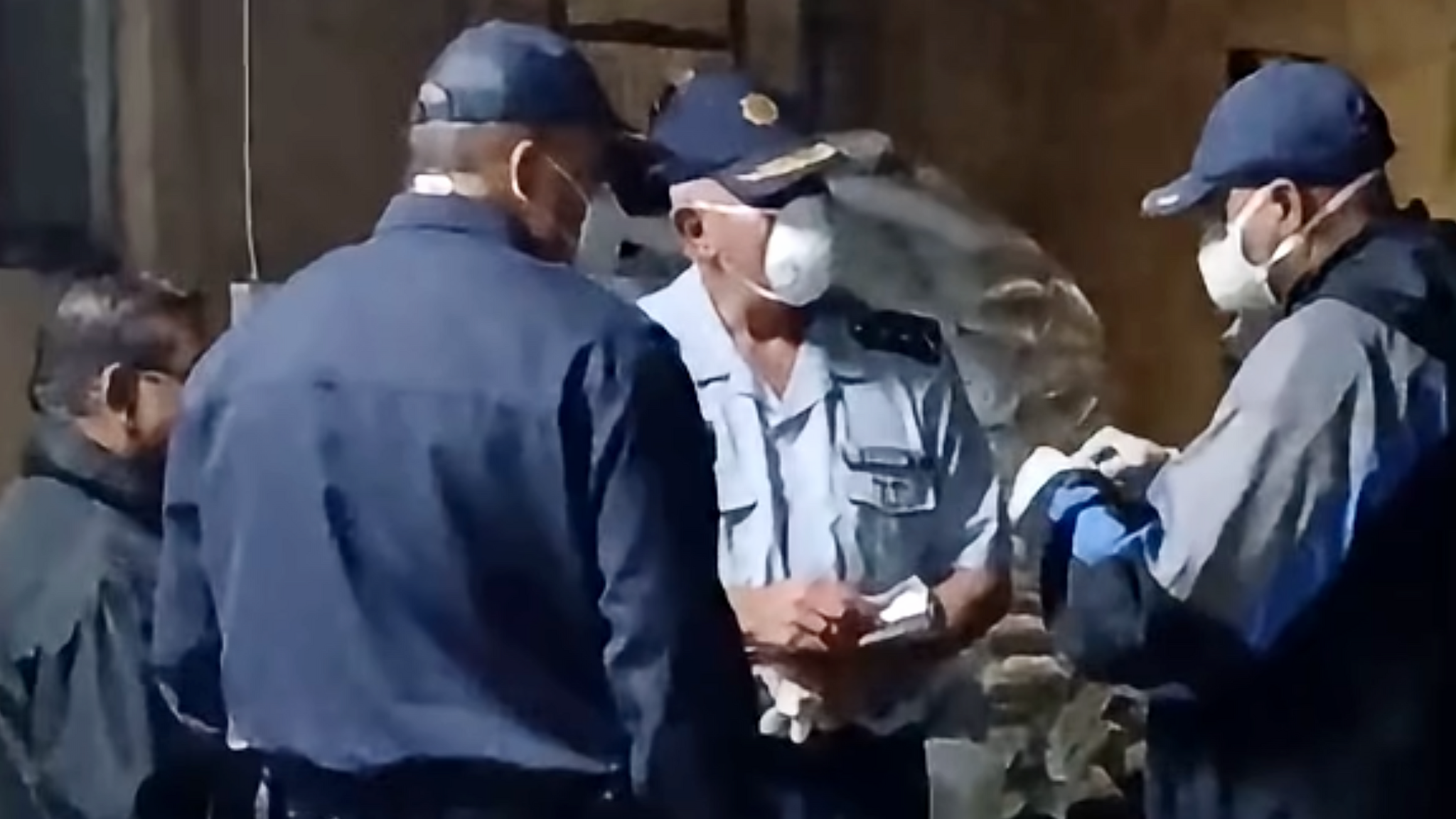
The Nigerian federal high court once sat in a quiet Lagos courtroom, but this week it housed a makeshift courtroom inside a hidden laboratory deep in Ogun state’s forest. Judge Musa Kakaki and legal counsel were among the few official voices in a room that smelled of iron salts and burnt chemicals, where seven Nigerians and three Mexicans in handcuffs were taken for examination.
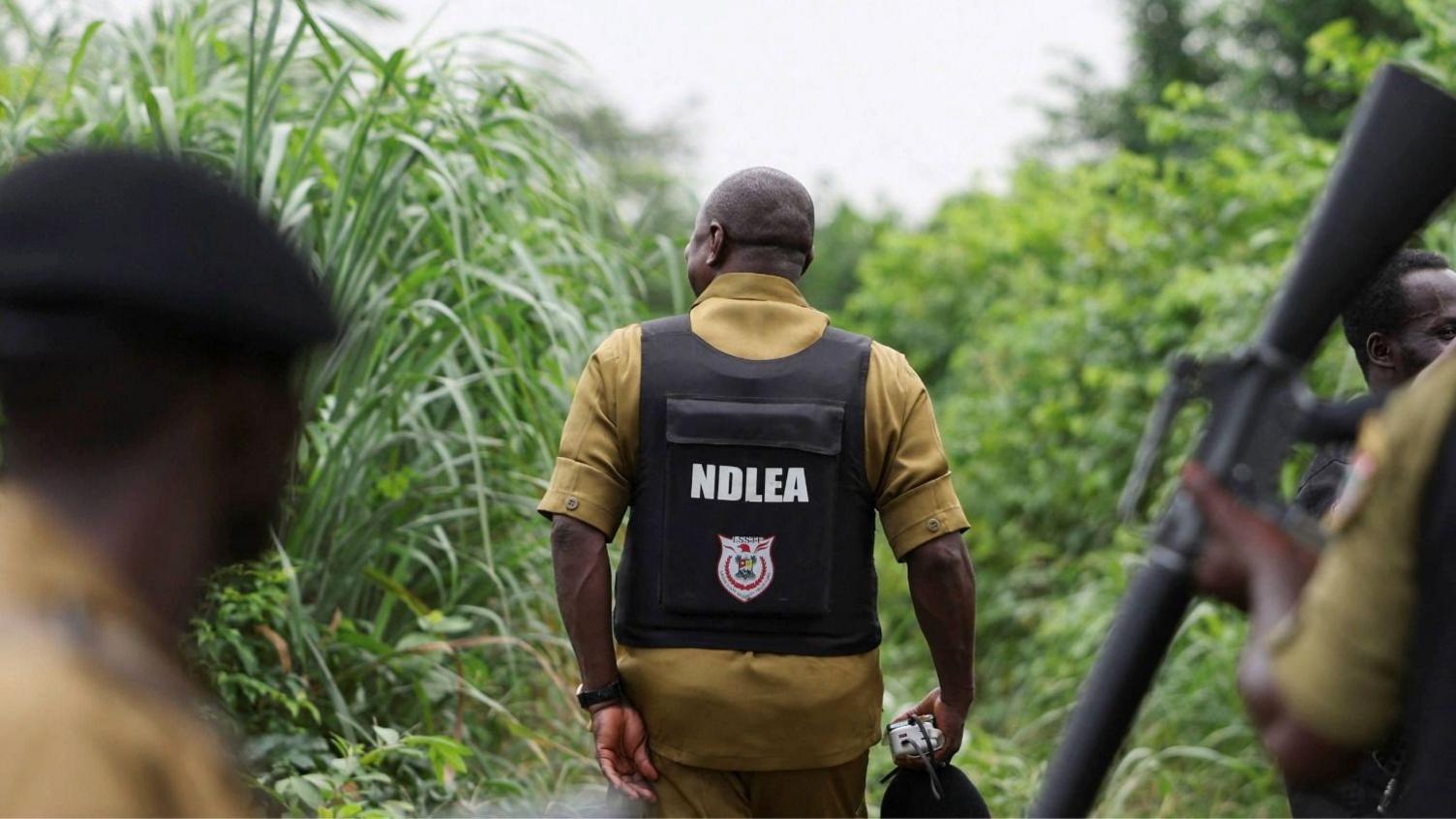
The authorities identified large drums of liquid methamphetamine that were crystallising and vats of unprocessed "crude" meth. Propane cylinders and caustic soda bags lay scattered in a makeshift building, underscoring the sophistication of the operation. NDLEA, the National Drug Law Enforcement Agency, said the raid was the country’s largest-ever meth bust, uncovering over two tonnes of the drug, valued at roughly $360 million.
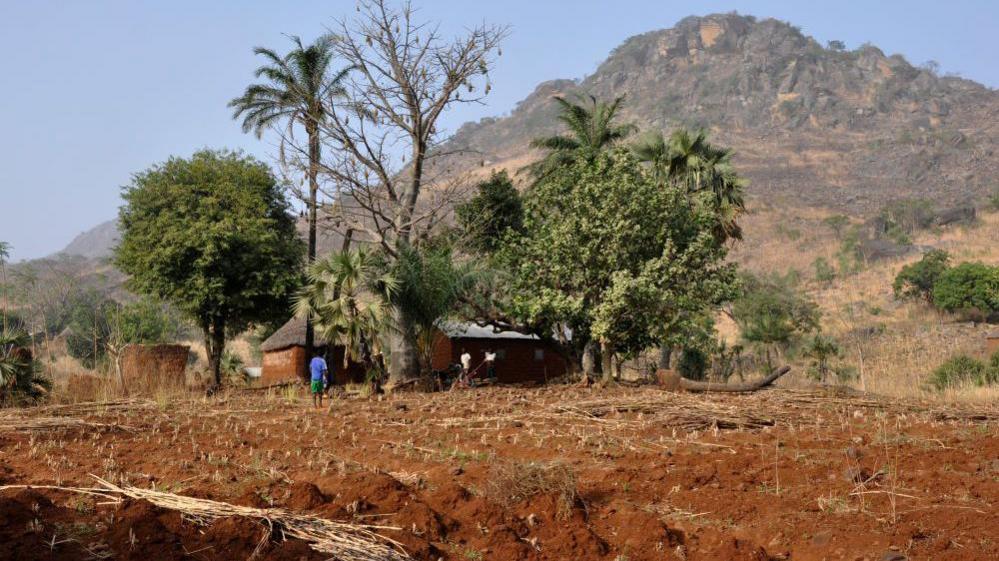
The laboratory’s location – two hours from Lagos and surrounded by dense forest – points to a deliberate choice of seclusion that shielded the operation from public scrutiny. Analyses published by the Global Initiative Against Transnational Organized Crime suggest that West African forests offer ideal cover for covert production sites, while Nigeria’s youthful workforce supplies cheap labour.
Mexico’s reach across the continent
Mexican cartel “cooks”, specialists in meth synthesis, increasingly operate alongside local partners in Africa, Europe and the United States. According to a 2019 NDLEA announcement, a Mexican‑linked meth laboratory was identified in 2016, and since then, U.S.–Africa Command (Africom) and the U.S. Drug Enforcement Administration have detailed incidents involving the Sinaloa Cartel and the Jalisco New General Cartel on the continent.
Africom’s commander, General Dagvin Anderson, testified in U.S. Congress that some African terror groups are now financially backed by these cartels, “expanding their reach and lethality.” The synthetic nature of meth allows cartels to produce the drug anywhere with the right chemicals and expertise, eliminating the logistical constraints faced by plant‑based drugs.
Impact on local and global markets
The meth produced in Nigeria can be shipped along Atlantic routes to Europe, and by implication, to Asia. UNODC statistics reveal a 47 % rise in methamphetamine usage in Europe between 2014 and 2024, while Southeast Asian authorities noted a record increase in seizures in 2024. The availability of highly potent meth from Nigerian labs directly contributes to these trends, escalating health risks such as cardiovascular complications, nutritional deficiencies and blood‑borne infections.
For Nigeria, the authorities are not merely responding to isolated incidents but building a strategic framework: temporary courts, intensified surveillance, and intelligence cooperation with international partners help intercept operations before they can export drugs to local communities or international markets.
While weapons‑manufacturing in the region is an established concern, the emergence of a dedicated synthetic drug production network marks a new era of criminal diversification. Efforts to curb this trend hinge on continued data sharing, strengthening local regulatory structures, and addressing the socioeconomic drivers that draw young Nigerians into illicit labor.
Further reading
BBCAfrica.com offers in‑depth coverage of these developments across the continent.