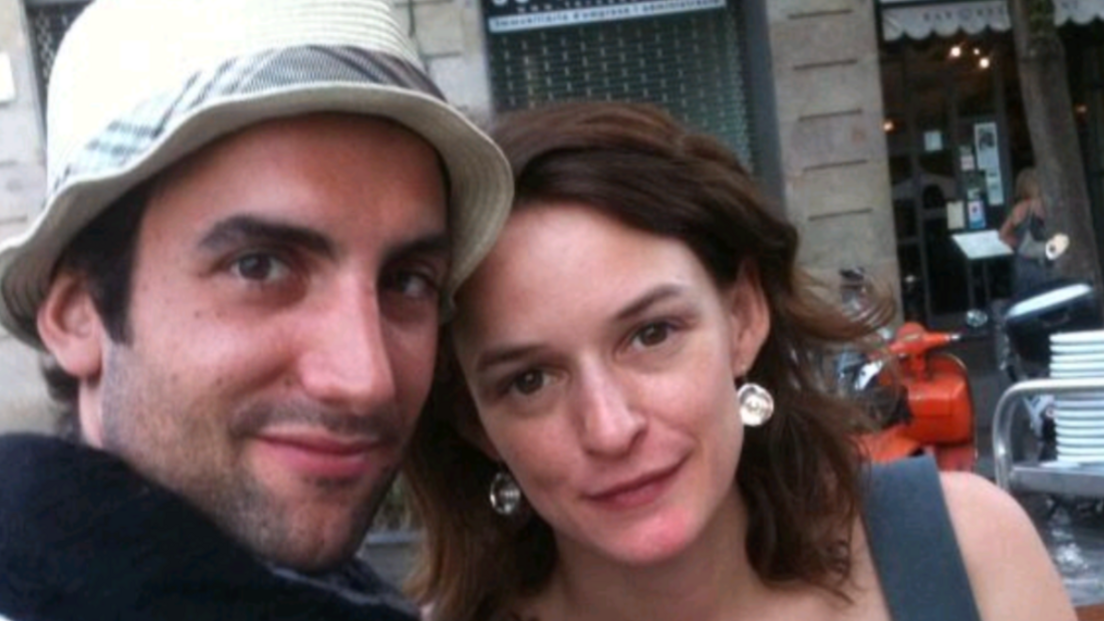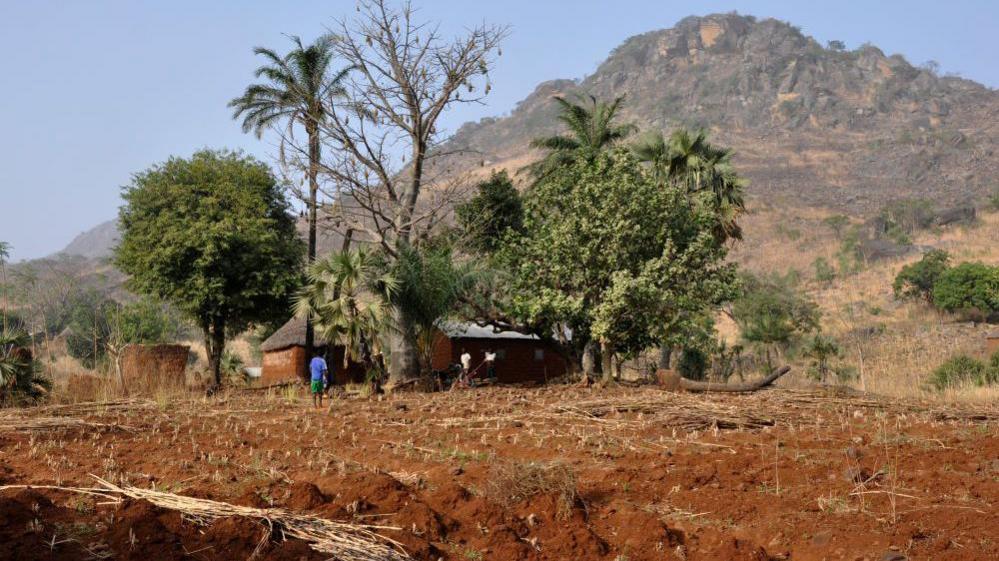
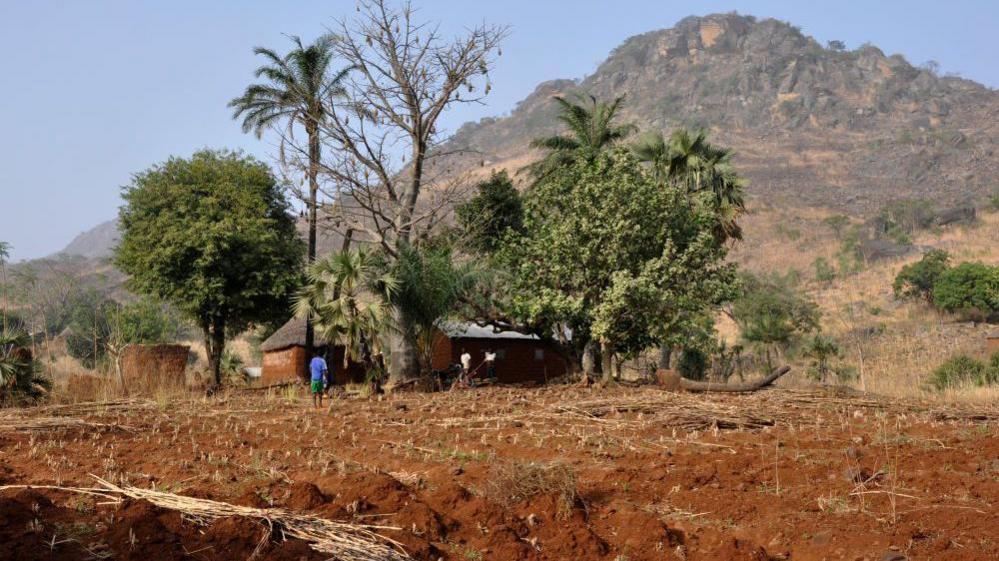
The two filmmakers were arrested while working in Kara, in northern Togo, last month.
Togo detains two French journalists. Gaël Mocaër and Sebastian Pérez Pezzani, who possessed all required visas and were filming a documentary for France Télévisions, were taken into custody on 27 July in Kara, a town north of Lomé, and have now been charged with "false declarations" by Togolese authorities.
France’s foreign ministry confirmed the detention of two nationals but offered no details; Togolese officials have yet to issue a statement. Reporters Without Borders (RSF) says the journalists had all the necessary paperwork and were in full compliance with the country’s administrative rules.
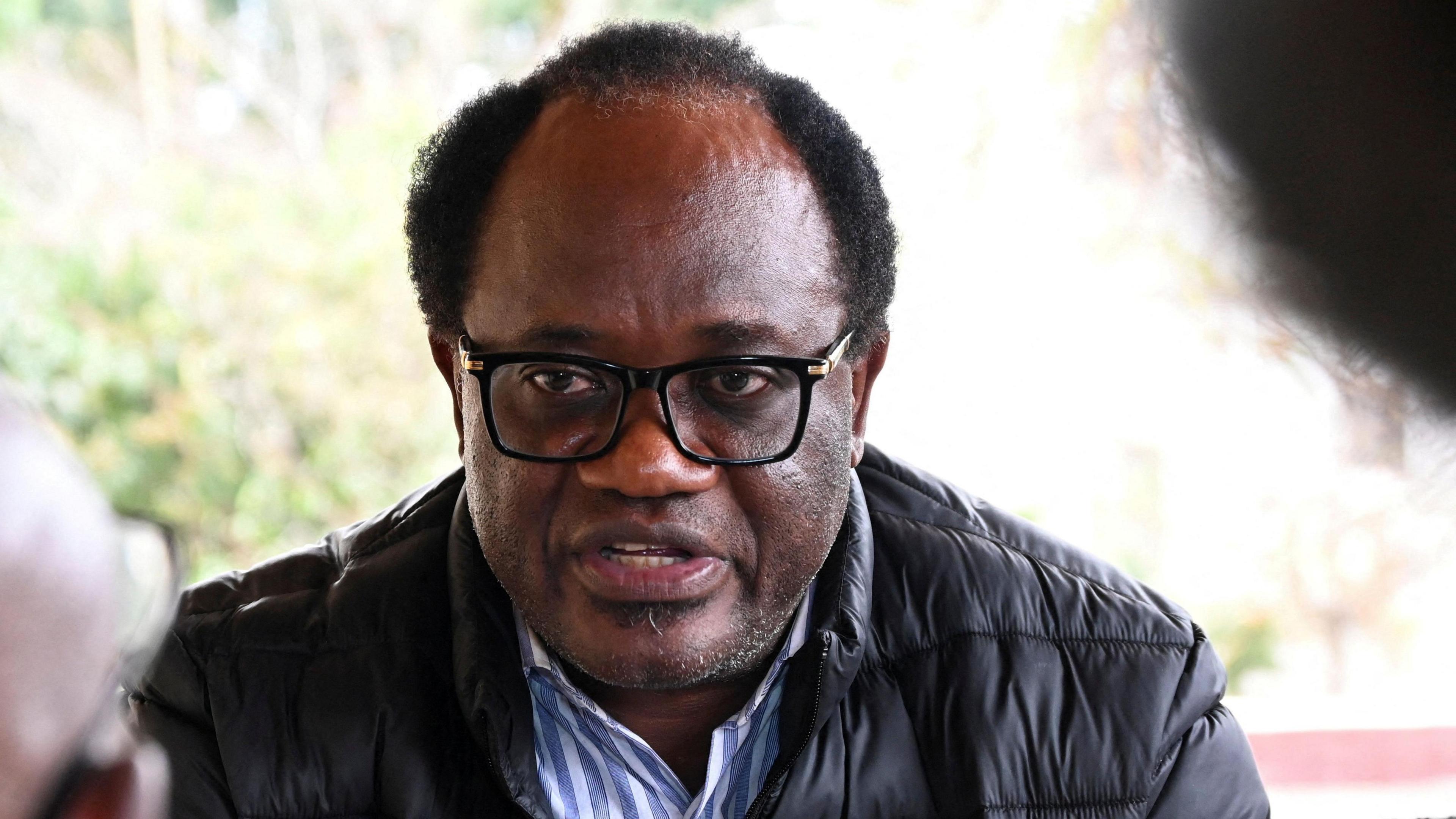
RSF director‑general Thibaut Bruttin has warned that the 20‑day detention is "unjustified and disproportionate" and urges the Togolese government to release the men immediately. The organisation also notes that the health of Pezzani has deteriorated, with serious medical needs that require urgent attention.
In addition to Mocaër and Pezzani, their Togolese fixer, Fred Vedomey, has been detained. RSF has highlighted that the men are being held in a pre‑trial facility near the capital, Lomé.
One possible motive for the arrests, however, lies beyond simple judicial procedure. Some local reports, echoed by international press observers, suggest that the detained journalists could be used as leverage in a bid to secure the return of Ferdinand Ayité—a Togolese investigative journalist living in exile in France whose name has been cited by President Faure Gnassingbé in recent public statements. No government has officially confirmed this hypothesis.
The incident comes amid broader concerns about press freedom in Togo. The country ranks 97th out of 180 on RSF’s annual press‑freedom index and has a history of restricting media speech; for example, French broadcasters France 24 and RFI were suspended for three months in June 2025 after accusations of spreading "inaccurate and biased" information following anti‑government protests. Earlier this year, French journalist Thomas Dietrich was arrested while covering elections and later expelled from Togo.
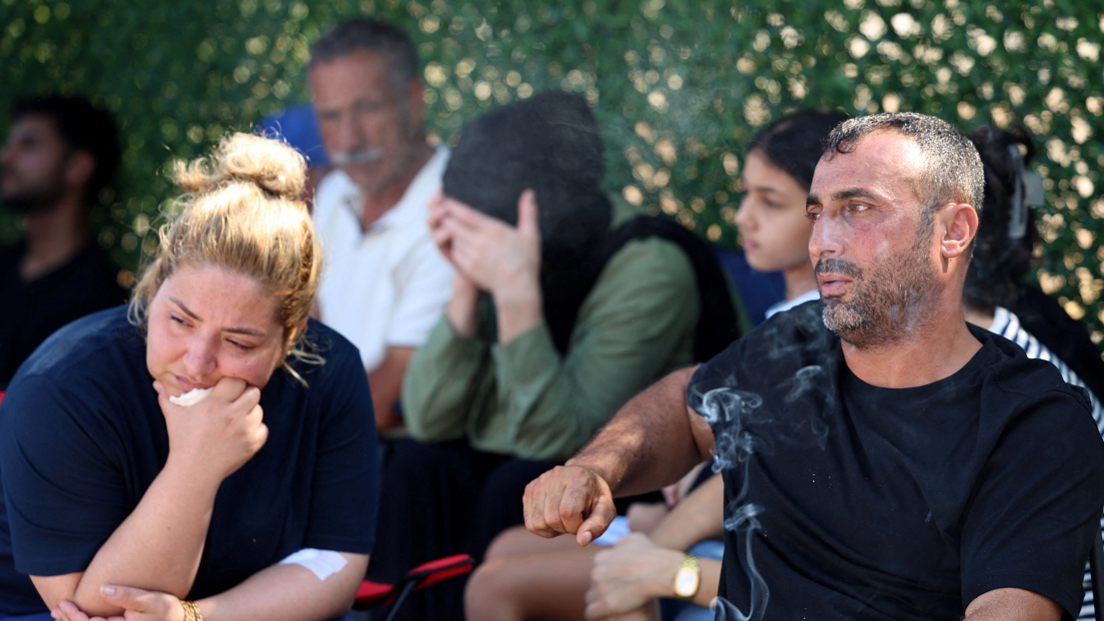
The families of Mocaër and Pezzani have expressed their anguish, hoping for a swift resolution, while the men themselves live far from home in a foreign country under legal threat that many see as politically motivated. Their situation highlights the delicate balance between journalistic freedom and national security in politically tense environments.
RSF and other advocacy groups maintain that journalists should be free to bear witness to real stories without fear of arbitrary detention. The case serves as a reminder of the fragile nature of freedom of the press in many African nations and the potential for political motives to influence law‑enforcement actions against foreign media workers.